






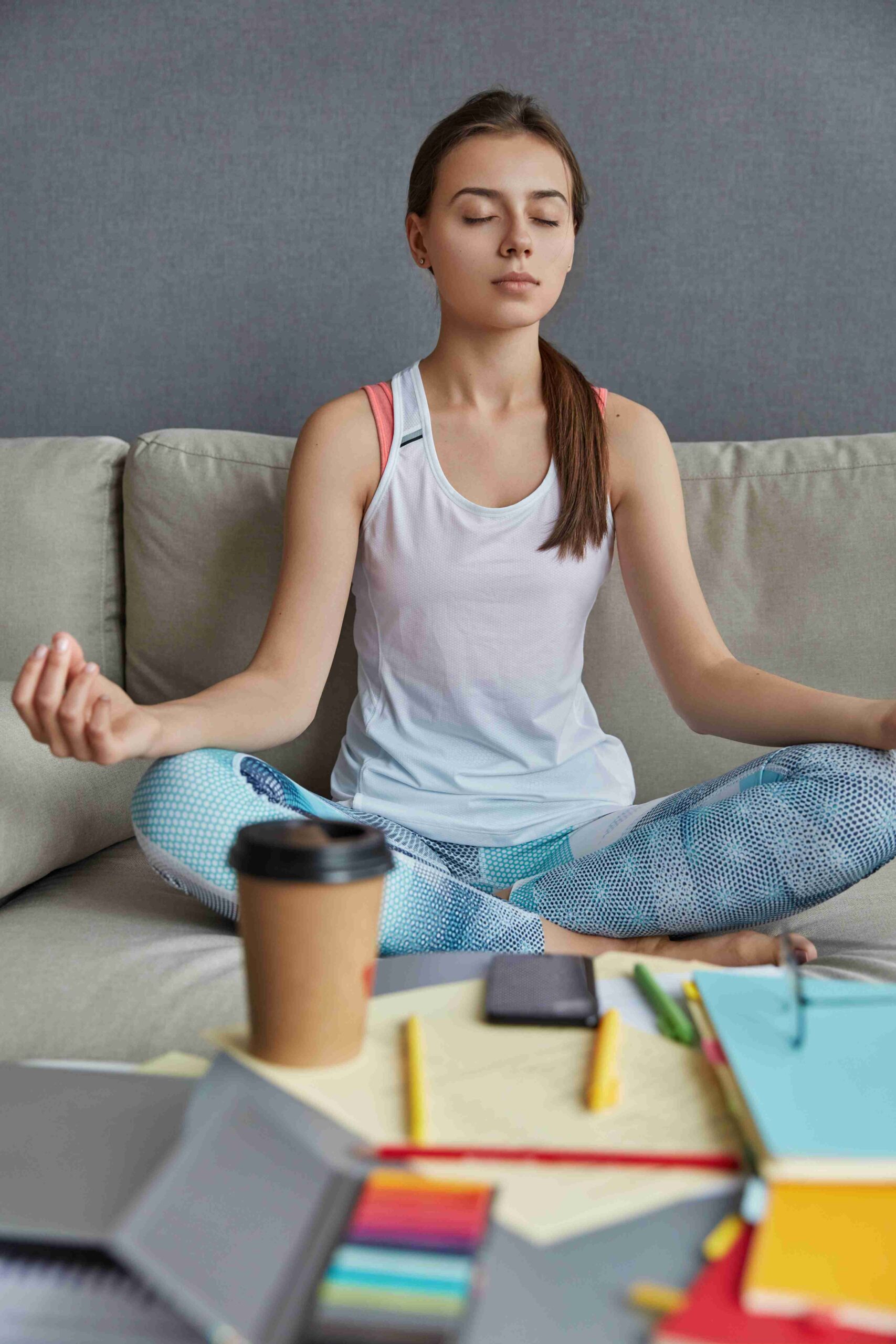
Millions of people worldwide experience stress and depression. Busy work schedules, emotional strain, trauma, and nonstop digital distractions can make it hard to cope. As a result, many seek natural
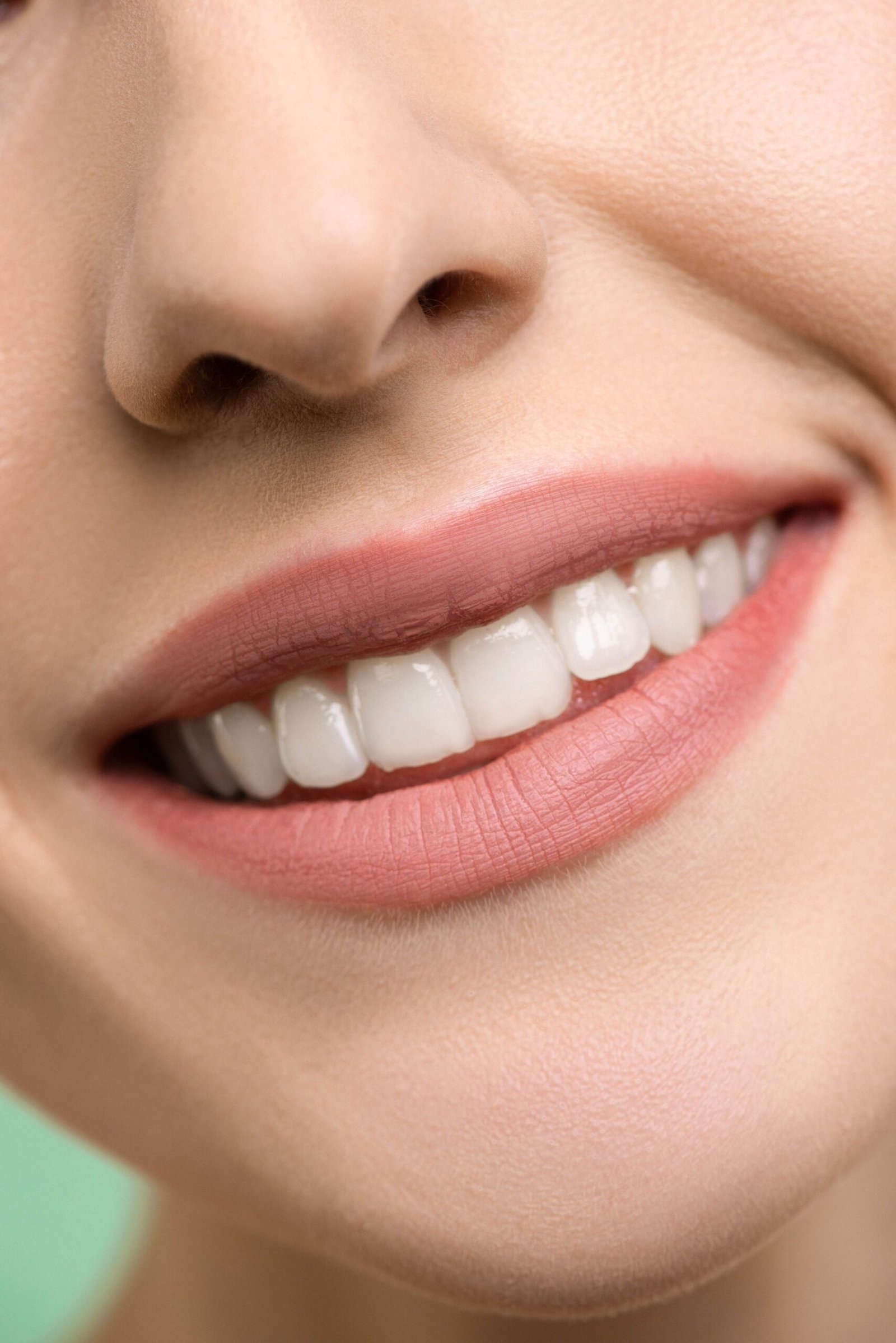
Healthy gums help keep your teeth strong, but gum problems often start without causing much pain. If you notice bleeding when brushing, swollen gums, bad breath that won’t go away,
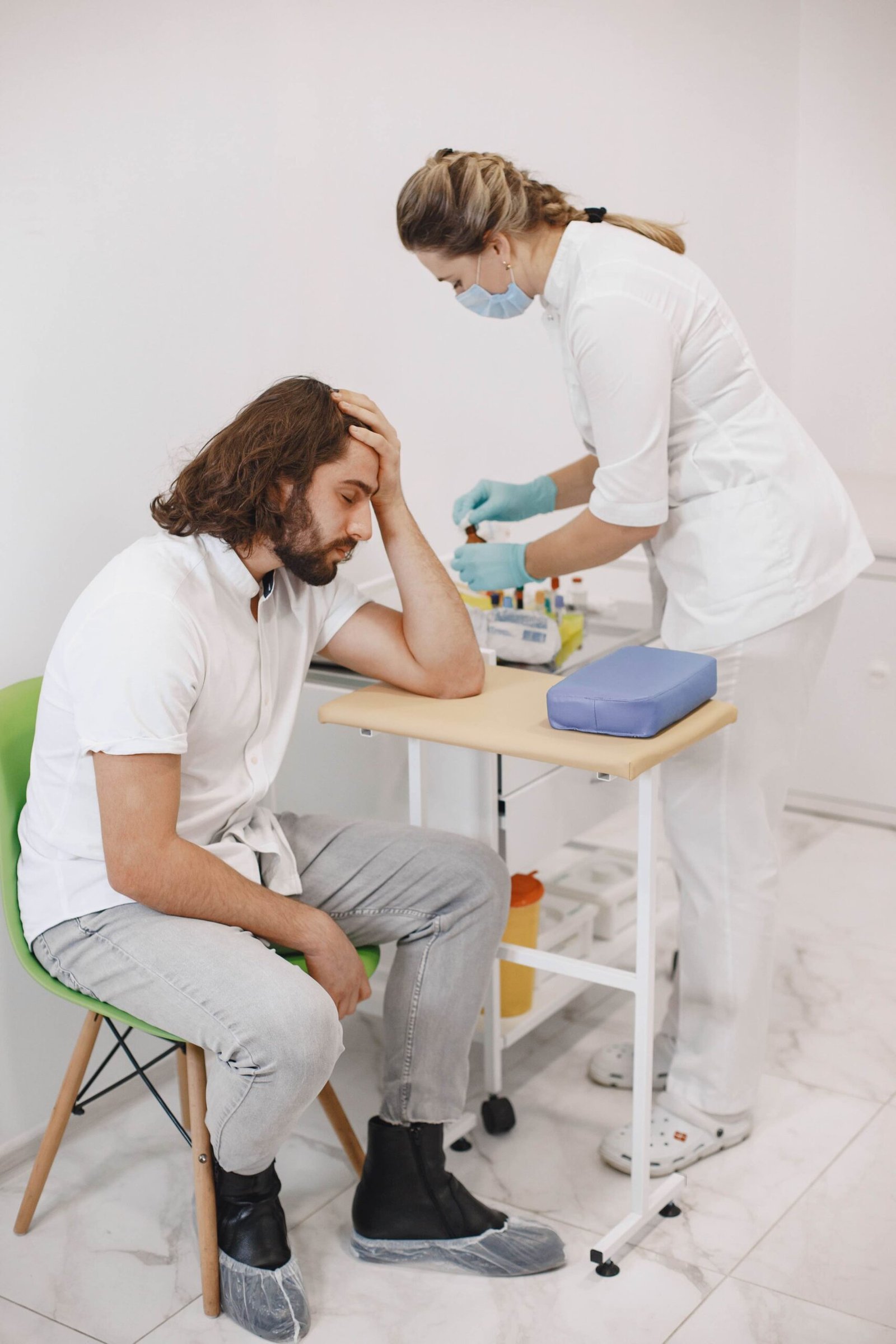
You do not have to wait until you feel sick to see your doctor. Many health issues can develop without obvious signs, so preventive care matters even when you feel
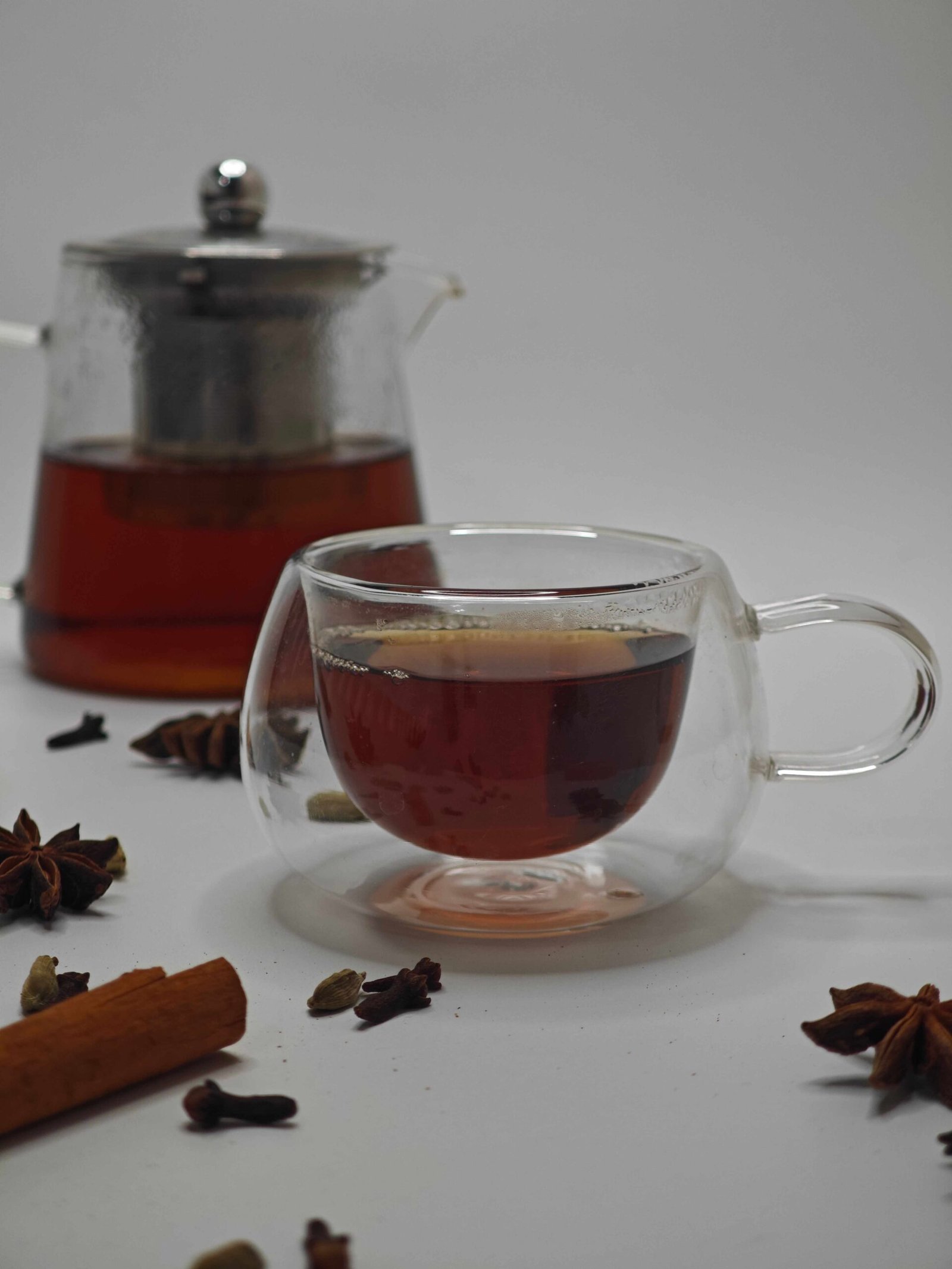
Clove tea is a warm, spicy drink made by steeping or simmering whole cloves in hot water. People have used it for digestion, oral comfort, and general wellness, but many

Peach resin has long been used in traditional Chinese cooking, but lately it has become popular in many other places. You might notice it in wellness recipes, desserts focused on

Your spine is involved whenever you bend, reach, turn, or get out of bed. But if you sit for long periods, don’t move much, or have tight muscles, these movements

It can be stressful to find mold in your bedroom, bathroom, or workplace, especially if you start coughing, feel congested, or have irritated eyes. You might start looking for ways
Millions of people worldwide experience stress and depression. Busy work schedules, emotional strain, trauma, and nonstop digital distractions can make it hard to cope. As a result, many seek natural

Depression and anxiety are common, and many people look for natural ways to improve their mood. While therapy and medication are important, your daily habits also play a role. What

Anxiety isn’t just in your mind. The foods you eat each day can have a big impact on how calm or anxious you feel. While many people turn to therapy

If someone you care about has depression, mornings can be especially tough. While getting out of bed might seem easy to others, it can feel impossible for them. Fatigue, hopelessness,
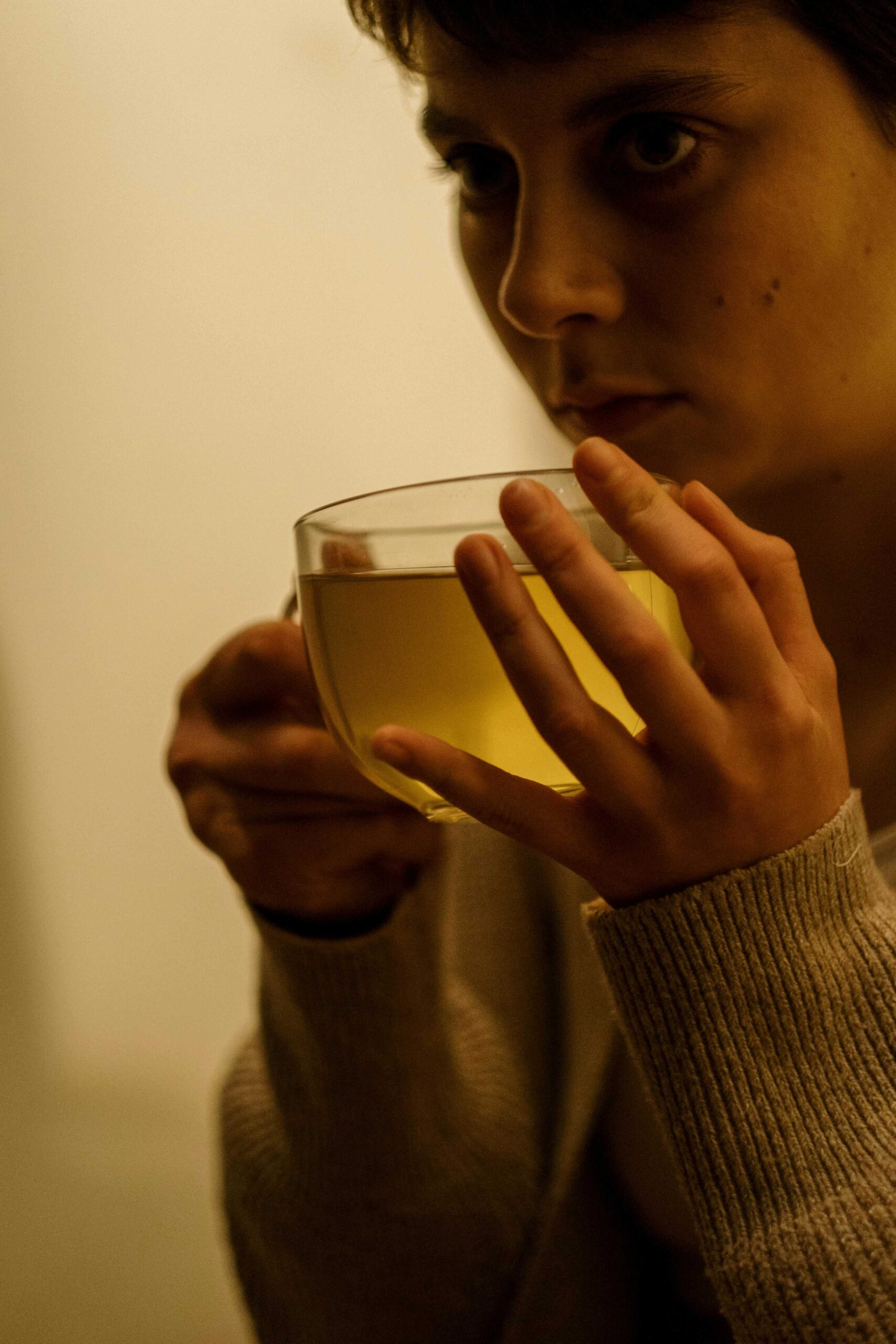
Anxiety can be tough, especially when your thoughts race and your body feels tense. Many people want simple, natural ways to feel calmer without strong side effects. Calming teas for
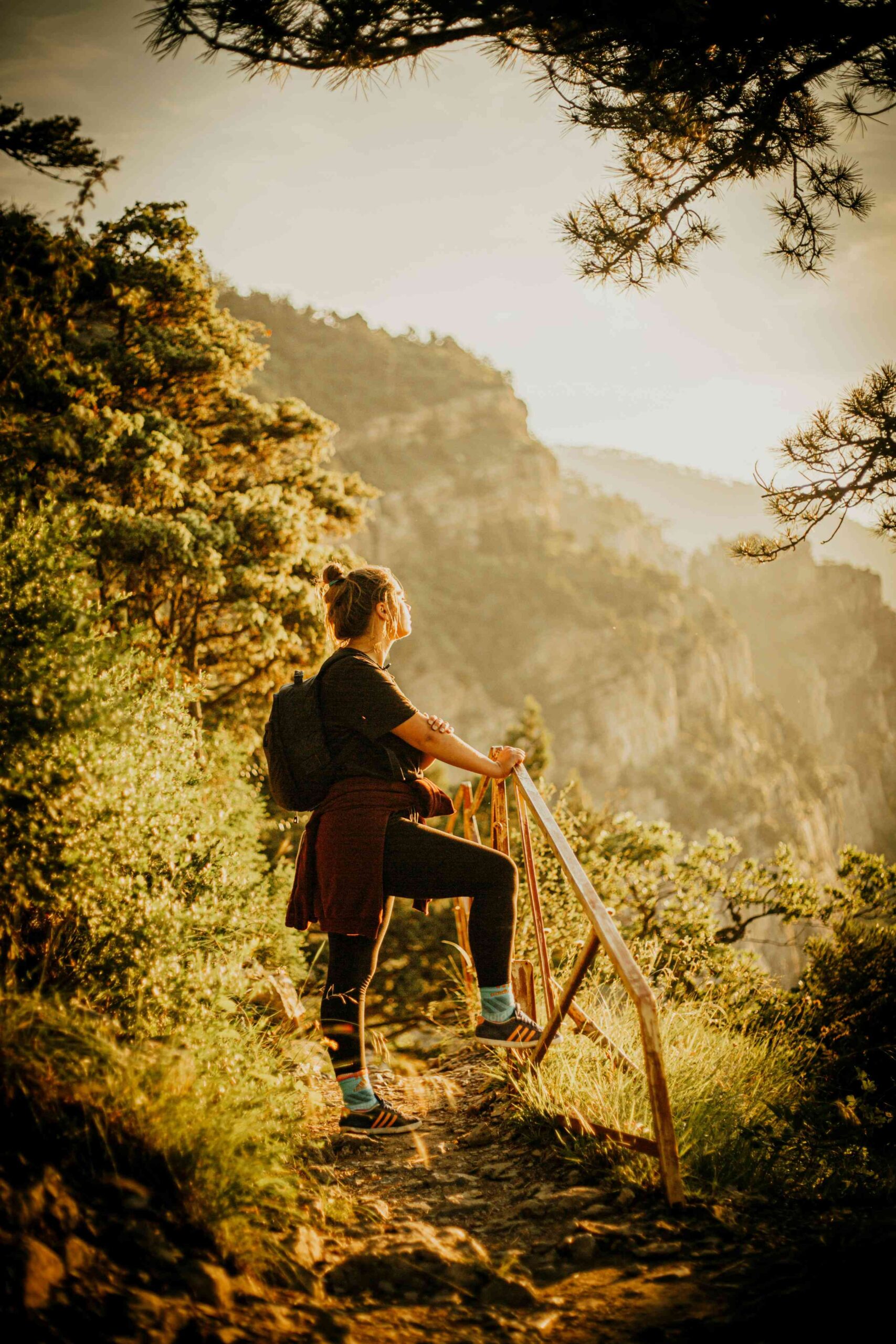
Walking in nature for mental health is one of the simplest and most powerful habits you can build. You do not need special equipment, a gym membership, or long hours.

Physical exercise and anxiety are closely connected. For many people, anxiety feels like a constant buzz in the mind—racing thoughts, tight muscles, and restless energy. While therapy and medication play
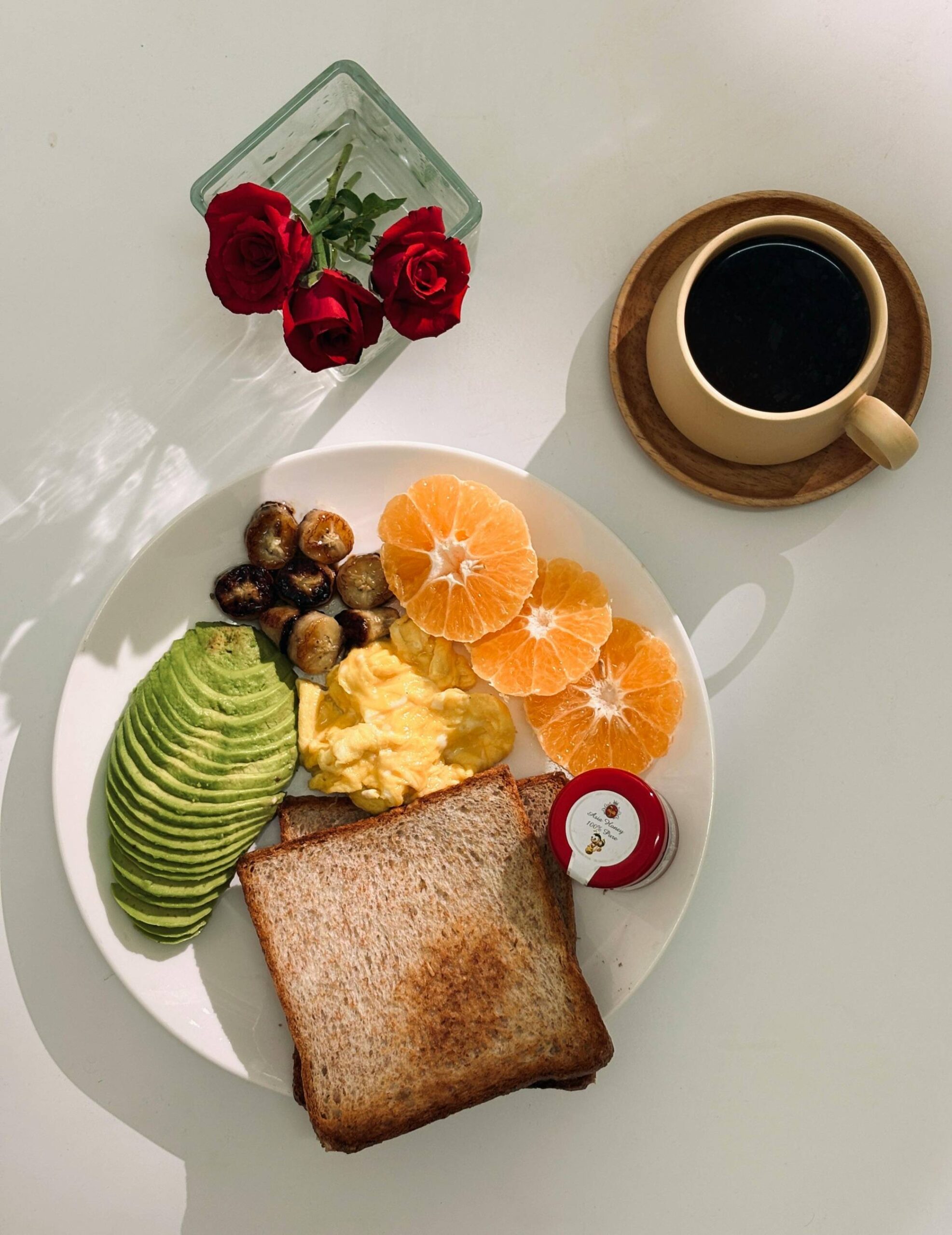
Mental clarity is the ability to think clearly, focus deeply, and make better decisions without feeling mentally foggy. In today’s fast-paced world, many people struggle with poor concentration, low energy,
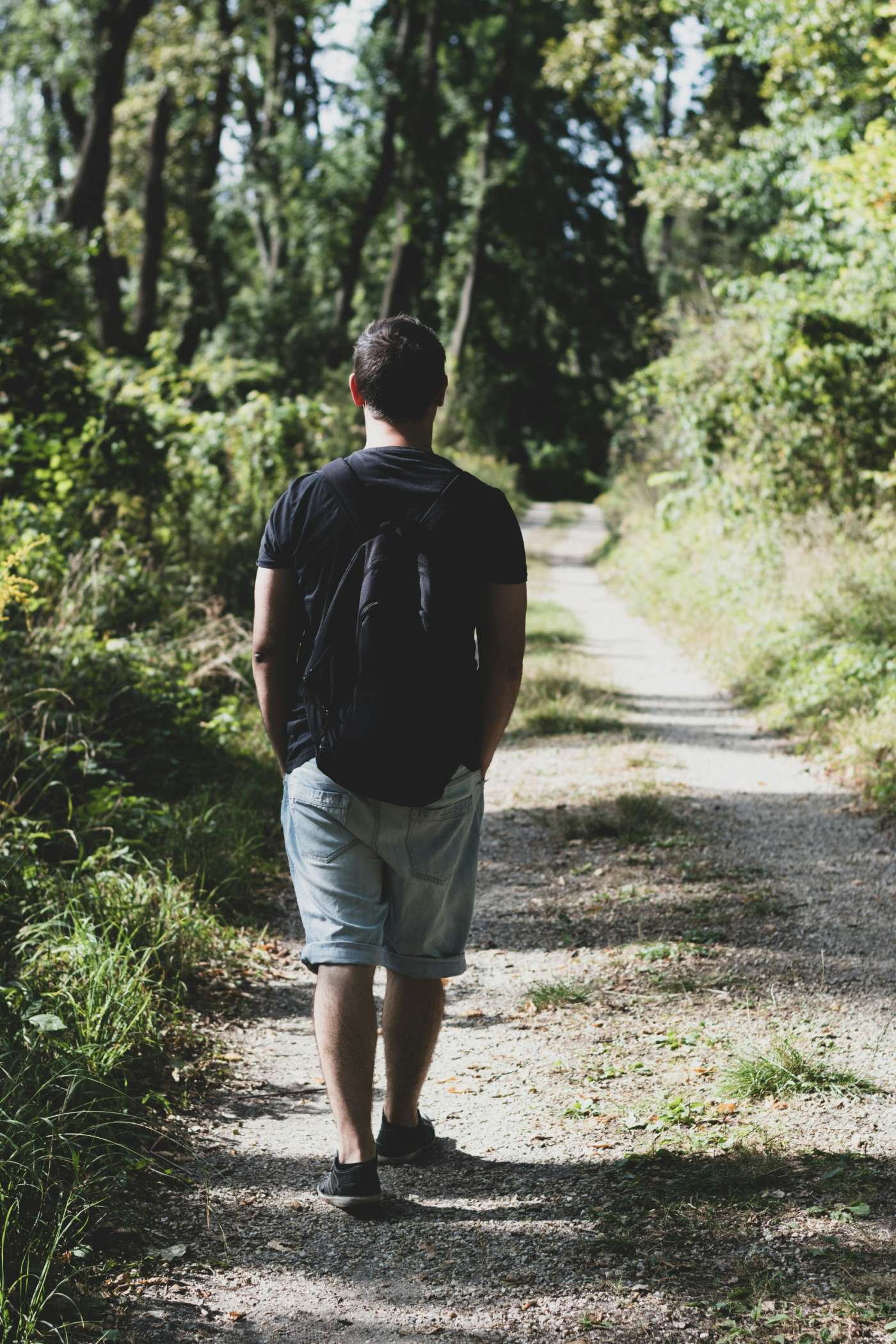
Stress has become part of daily life. Work pressure, family responsibilities, financial worries, and constant screen time can leave your mind overwhelmed. While therapy, medication, and mindfulness practices are powerful
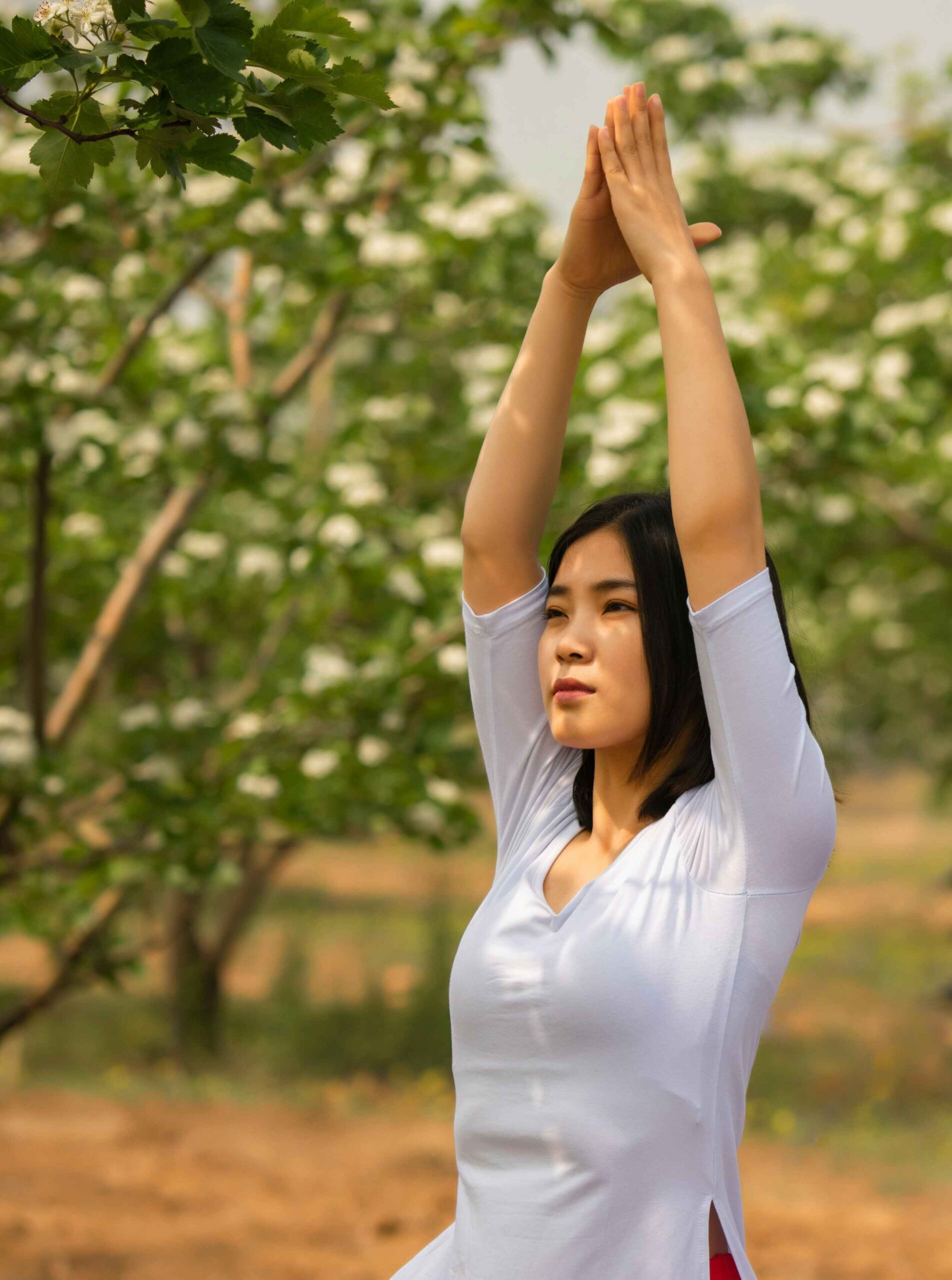
Stress is part of modern life. Work pressure, family responsibilities, financial worries, and constant digital exposure can slowly wear us down. According to the American Psychological Association (APA), over 75%