
Now Reading: Oolong Tea Have Caffeine? Everything You Need to Know
-
01
Oolong Tea Have Caffeine? Everything You Need to Know
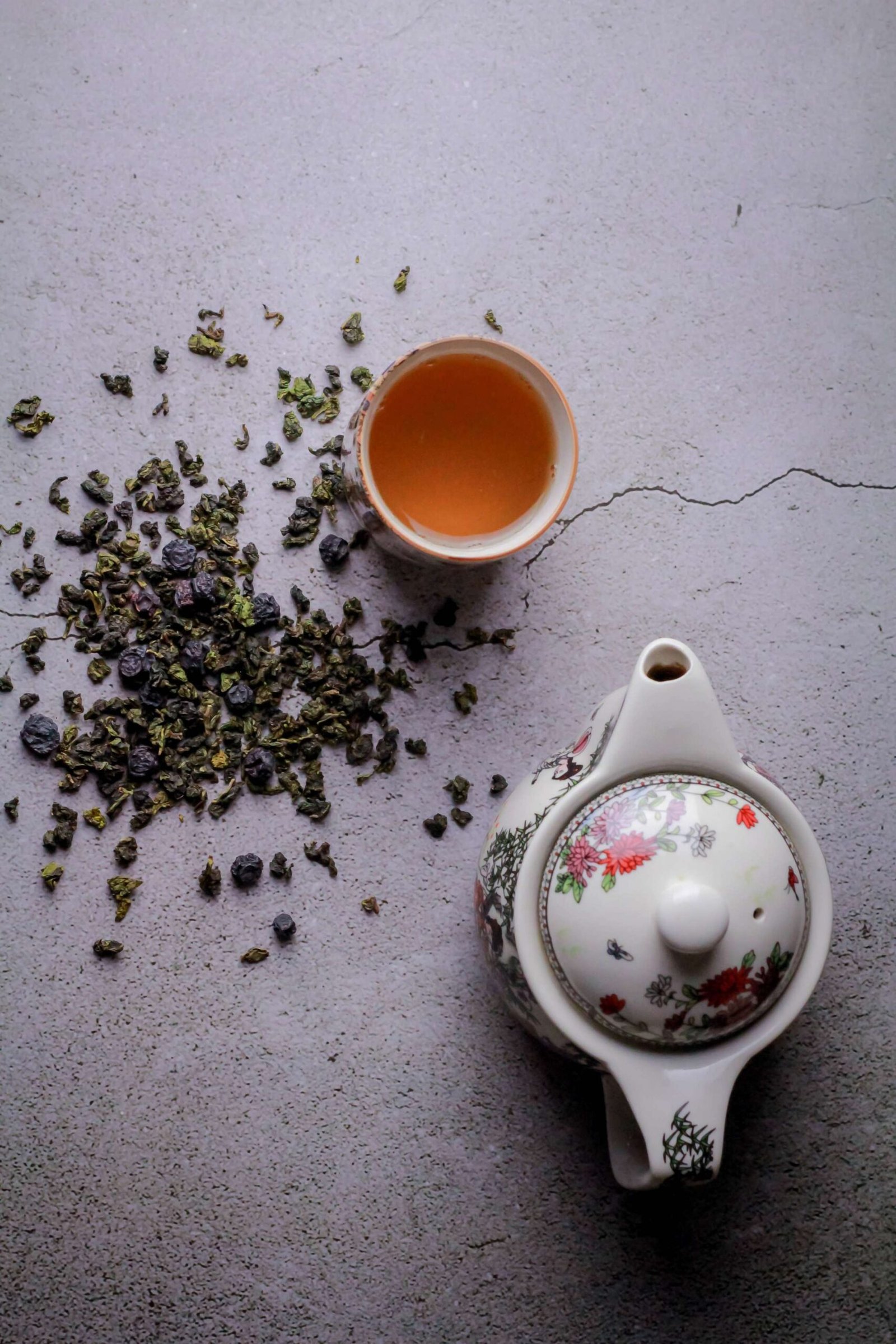
If you’ve ever wondered whether oolong tea has caffeine, the answer is yes. Like green and black tea, oolong tea comes from the Camellia sinensis plant, which naturally contains caffeine. The amount is usually moderate, so it’s a popular choice for people who want a gentle energy boost without the intensity of coffee.
Knowing if oolong tea has caffeine can help you pick the right drink for your lifestyle. In this guide, you’ll find out how much caffeine is in oolong tea, what affects its caffeine content, how it compares to other drinks, and the health benefits it offers.
Does Oolong Tea Have Caffeine?
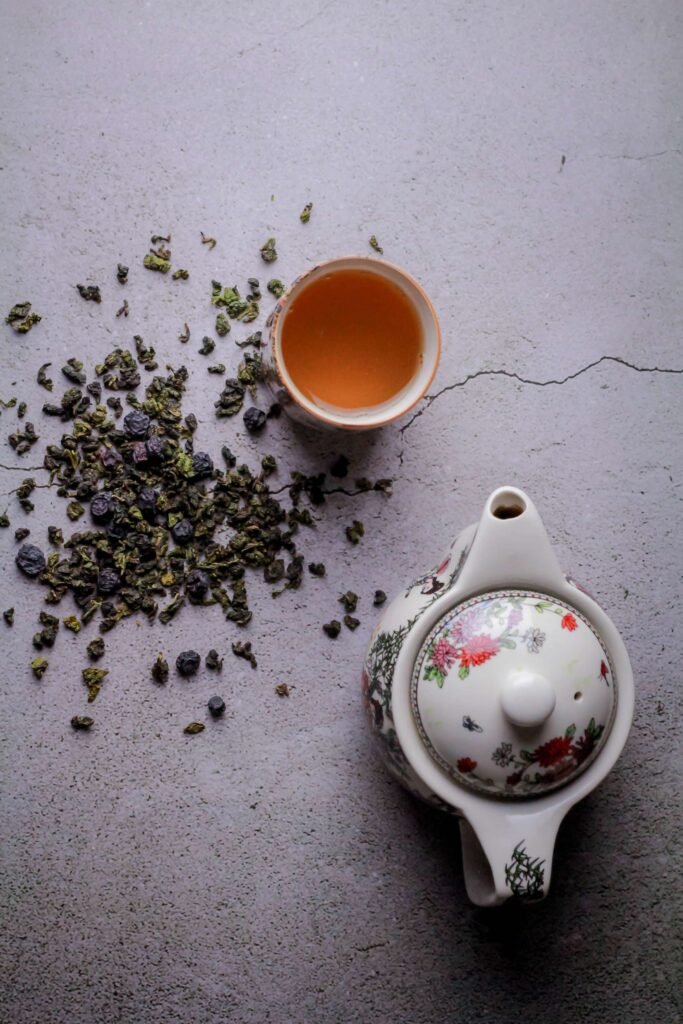
Yes, oolong tea has caffeine because it comes from the same tea plant as green, white, and black tea. The leaves naturally produce caffeine to protect themselves from insects. So, every authentic oolong tea contains some caffeine unless it has been specially decaffeinated.
On average, an 8-ounce (240 ml) cup of oolong tea contains 30 to 50 milligrams of caffeine. According to the U.S. Food and Drug Administration (FDA), healthy adults can safely consume up to 400 mg of caffeine per day from all sources. You can learn more from the FDA here: https://www.fda.gov/food.
Although oolong tea has caffeine, it usually contains much less than a regular cup of brewed coffee. This makes it a balanced option for many tea lovers.
How Much Caffeine Is in Oolong Tea?
The exact amount of caffeine depends on how the tea is processed and brewed. While many people ask if oolong tea has caffeine, it’s also important to know that every cup can be a little different.
Average Caffeine Content
| Beverage | Average Caffeine (8 oz) |
| Oolong Tea | 30–50 mg |
| Green Tea | 20–45 mg |
| Black Tea | 40–70 mg |
| Matcha | 60–70 mg |
| Brewed Coffee | 95–120 mg |
As you can see, oolong tea has caffeine, but it provides a moderate amount compared to coffee. This makes it a good choice for people who want to feel alert without taking in too much caffeine.
Why Oolong Tea Falls Between Green and Black Tea
Oolong tea is partially oxidized, placing it between green and black tea in processing. Green tea undergoes minimal oxidation, while black tea is fully oxidized.
Because of this unique process, many people think oxidation alone determines caffeine. In reality, oolong tea has caffeine because of the tea plant itself. Oxidation mostly changes the flavor, aroma, and color, not the caffeine content.
Lightly oxidized oolong often tastes floral and fresh, while darker oolong develops richer and roasted flavors. Both varieties can contain similar amounts of caffeine depending on how they are produced.
What Affects the Caffeine in Your Cup?
Several factors influence how much caffeine ends up in your mug.
Tea Leaf Variety
Different tea cultivars naturally produce different caffeine levels. Some premium oolong varieties contain slightly more caffeine than others.
Brewing Time
Longer steeping extracts more caffeine from the leaves. If you brew your tea for five minutes instead of two, you’ll usually consume more caffeine.
Water Temperature
Hotter water extracts caffeine more efficiently. Most oolong teas brew best between 85°C and 95°C (185°F–203°F).
Amount of Tea Leaves
Using more tea leaves naturally increases the caffeine in each cup. A stronger brew usually contains more caffeine than a lighter one.
Multiple Infusions
Many oolong teas can be steeped several times. While the first infusion often contains the highest amount of extracted caffeine, later infusions generally become milder. Therefore, if you enjoy multiple cups, the overall caffeine profile changes with each steep.
Oolong Tea vs Coffee and Other Teas
Many people compare caffeine levels before choosing a drink.
| Beverage | Caffeine Level | Best For |
| Coffee | High | Fast energy boost |
| Oolong Tea | Moderate | Balanced focus |
| Green Tea | Low to Moderate | Gentle stimulation |
| Black Tea | Moderate to High | Morning routine |
| Herbal Tea | Usually None | Evening relaxation |
Although oolong tea has caffeine, it also contains L-theanine, an amino acid that may help you relax while staying focused. Research from the National Institutes of Health (NIH) suggests that L-theanine may improve focus when combined with caffeine. Read more here: https://ods.od.nih.gov/.
Does Oolong Tea Feel Different Than Coffee?
Many people say the energy from oolong tea feels smoother than coffee. While both beverages contain caffeine, oolong also contains L-theanine, which may help create a calmer feeling of alertness.
This doesn’t mean everyone experiences the same effect. Individual caffeine sensitivity varies based on age, body weight, metabolism, and daily caffeine intake.
If you often feel jittery after coffee, you may find that oolong tea has caffeine in a more moderate amount that better suits your needs.
How to Reduce or Increase Caffeine in Oolong Tea
You can easily adjust the caffeine in your cup.
To Reduce Caffeine
- Steep for a shorter time.
- Use slightly cooler water.
- Drink the second infusion instead of the first.
- Try cold-brew oolong tea.
To Increase Caffeine
- Use more tea leaves.
- Brew with hotter water.
- Steep for a longer time.
- Drink the first infusion.
Since oolong tea has caffeine, small changes in how you brew it can noticeably affect how much caffeine you get.
Health Benefits of Oolong Tea Beyond Caffeine
Oolong tea offers more than just a caffeine boost. It contains natural polyphenols and antioxidants that support overall health.
Research suggests that regular tea consumption may help support heart health, healthy cholesterol levels, and cognitive function. According to Harvard T.H. Chan School of Public Health, tea is rich in flavonoids, which are associated with several health benefits when consumed as part of a balanced diet. Learn more at https://www.hsph.harvard.edu/nutritionsource/.
Some studies also suggest that tea may support weight management when combined with healthy eating and regular exercise. However, tea alone is not a magic solution for weight loss.
Whether you want better focus or a healthier drink, oolong tea has caffeine along with valuable plant compounds that may support your overall wellness.
Frequently Asked Questions
Does oolong tea have more caffeine than green tea?
Usually yes. Oolong tea often contains slightly more caffeine than green tea, although brewing methods and tea varieties influence the final amount.
Can I drink oolong tea before bed?
Since oolong tea has caffeine, drinking it late at night may affect your sleep if you’re sensitive to caffeine. Try enjoying it earlier in the day.
Is oolong tea stronger than coffee?
No. Coffee typically contains two to three times more caffeine than oolong tea.
Is decaffeinated oolong tea available?
Yes. Several manufacturers produce decaffeinated oolong tea, although small amounts of caffeine may still remain.
Can pregnant women drink oolong tea?
Pregnant women should consult their healthcare provider regarding caffeine intake. Most medical organizations recommend limiting daily caffeine during pregnancy.
Final Thoughts
So, oolong tea has caffeine, but usually in moderate amounts that fall between green tea and coffee. For many people, this makes it a great choice when they want steady energy without too much caffeine.
The exact caffeine level depends on the tea variety, the amount of leaves you use, water temperature, and brewing time. By adjusting these factors, you can make your cup stronger or milder to match your preference.
If you’re looking for a flavorful beverage with antioxidants, balanced energy, and a long history of traditional use, oolong tea is certainly worth adding to your daily routine.
Recommended YouTube Resource
Here’s a helpful video:
References
- U.S. Food & Drug Administration (FDA): https://www.fda.gov/food
- National Institutes of Health – Office of Dietary Supplements: https://ods.od.nih.gov/
- Harvard T.H. Chan School of Public Health – The Nutrition Source: https://www.hsph.harvard.edu/nutritionsource/
- USDA FoodData Central: https://fdc.nal.usda.gov/
- Mayo Clinic – Caffeine: https://www.mayoclinic.org/

Kevin Fletcher is a seasoned writer with over 10 years of experience crafting engaging and informative content in the health, fitness, and wellness industries. Passionate about helping readers live healthier lives, Kevin combines research-backed insights with practical tips to inspire positive change.