

Now Reading: Folic Acid Benefits for Skin: Science-Backed Guide
-
01
Folic Acid Benefits for Skin: Science-Backed Guide

Healthy skin begins on the inside, and good nutrition is key to keeping it looking and working its best. Of all the nutrients that help your skin, vitamin B9 (also called folic acid) stands out for its part in cell growth and repair. Learning about how folic acid supports your skin can help you make better choices about what you eat, the supplements you take, and your skincare routine.
Folic acid helps your body make new, healthy skin cells. Because your skin is always renewing itself, getting enough folate or folic acid helps this process. Still, no single vitamin will change your skin overnight. The best results come from eating well, living a healthy lifestyle, and taking care of your skin.
The National Institutes of Health (NIH) recommends that most adults get 400 micrograms (mcg) of folate each day. Getting enough folate helps your body in many ways, including making healthy cells that keep your skin in good shape.

What Is Folic Acid?
Before looking at how folic acid helps your skin, it’s useful to know what it is. Folate is the natural form of vitamin B9 found in foods, and folic acid is the man-made form added to supplements and fortified foods.
Vitamin B9 is important for making DNA, helping cells divide, and growing new tissue. Since your skin cells are always renewing, they need nutrients like folate to keep up this process. That’s why folic acid is often mentioned when talking about skin health.
Not getting enough folate can affect your health and how your cells work. You might not always see signs of this on your skin, but getting enough folate helps keep your whole body, including your skin, healthy.
Folic Acid Benefits for Skin
Supports Healthy Skin Cell Growth
One of the most important benefits of folic acid for skin is its role in healthy skin cell production. Your skin naturally replaces old cells with new ones every day. Folate supports DNA synthesis, which is necessary for this process.
Healthy cell turnover helps maintain smoother-looking skin and supports the skin’s natural healing process after minor irritation or injury.
May Help Maintain the Skin Barrier
Folic acid also helps support your skin’s protective barrier. A strong skin barrier keeps moisture in and shields you from things like pollution and dry air.
Many nutrients help your skin barrier work well, and getting enough folate is one part of keeping your skin tissue healthy as part of a good diet.
Supports Healthy Skin Function
Some people think folic acid helps make more collagen for the skin. While it doesn’t directly boost collagen, it does help your cells work well, which is important for keeping your skin healthy.
Your body needs several nutrients to make collagen, like vitamin C, protein, copper, and zinc. That’s why eating a balanced diet is the best way to keep your skin healthy.
May Promote a Healthy Complexion
Good nutrition often shows in how your skin looks. Folic acid helps your cells stay healthy, which can help your skin look fresher and healthier.
Along with drinking enough water, getting good sleep, and caring for your skin, getting enough folate helps your skin work its best.
May Support Acne Management
Some people look into folic acid hoping it will clear up acne. Right now, there’s no strong evidence that folic acid treats acne directly.
Still, keeping your nutrients in balance helps your skin work well, and fixing a folate deficiency can help your skin’s overall health. Because acne has many causes, like hormones, genetics, oil, and bacteria, it usually needs more than just one solution.
Can Folic Acid Help Reduce Signs of Aging?
One of the most common questions about folic acid benefits for skin is whether it can reduce wrinkles or slow aging.
When your skin renews itself well, it can look smoother over time. Folate helps with cell growth, so getting enough may help keep your skin healthy. But there isn’t much proof that folic acid alone gets rid of wrinkles or stops visible aging.
According to the American Academy of Dermatology (AAD), daily sunscreen use, moisturizing, avoiding smoking, and following a balanced diet remain some of the most effective ways to maintain healthy-looking skin as you age.
Best Food Sources of Folate
The best way to get the skin benefits of folic acid is to eat foods that are naturally high in folate.
Leafy Green Vegetables
Spinach, kale, Swiss chard, and romaine lettuce are excellent sources of natural folate.
Legumes
Lentils, chickpeas, black beans, and kidney beans are packed with folate, plus they give you fiber and plant-based protein.
Citrus Fruits
Oranges, grapefruits, and lemons give you folate and also provide vitamin C, which is another key nutrient for your skin.
Avocados
Avocados have healthy fats and folate, both of which help support your overall health.
Broccoli and Brussels Sprouts
These veggies give you folate, plus antioxidants and fiber.
Fortified Foods
Many breakfast cereals, breads, and grains have added folic acid, which makes it easier to get enough each day.
Should You Take Folic Acid Supplements?
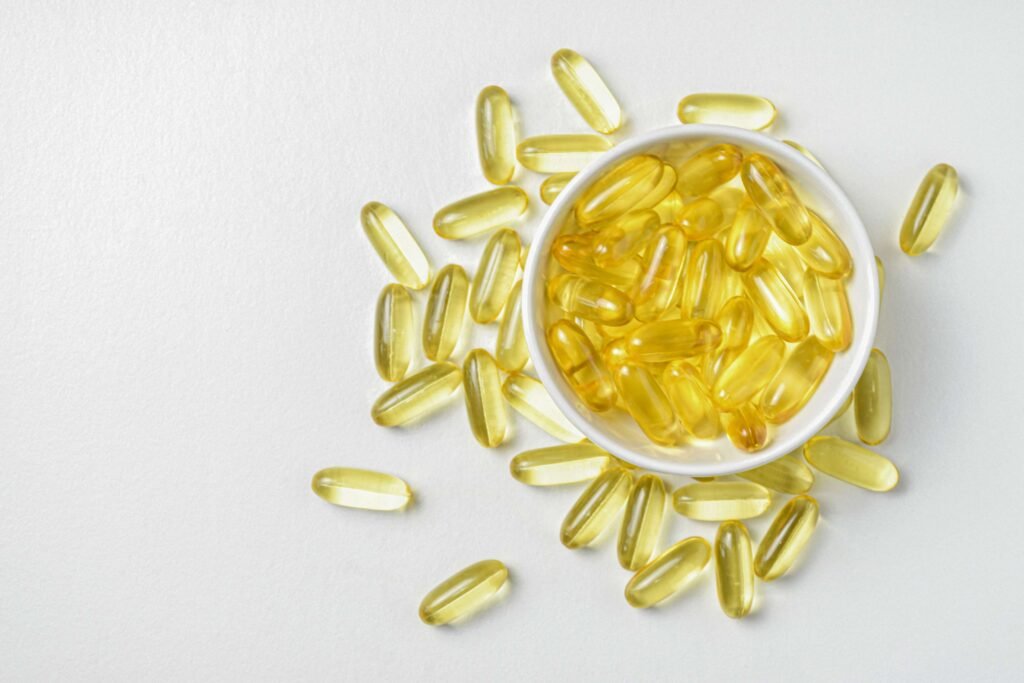
Food should be your main source of folate, but some people may need supplements.
Pregnant women are routinely advised to take folic acid under medical supervision because it helps prevent neural tube defects during early pregnancy. People with certain digestive disorders or confirmed folate deficiency may also benefit from supplementation.
The NIH Office of Dietary Supplements says that taking too much synthetic folic acid can hide a vitamin B12 deficiency. That’s why you should talk to a healthcare professional before using high-dose supplements.
Folic Acid in Skincare Products
Lately, some skincare brands have begun adding folic acid to serums and moisturizers. Research on using folic acid on the skin is still new, and there isn’t as much evidence as there is for eating folate.
Skincare products with folic acid might help with skin hydration and barrier strength when used as part of your routine. But they shouldn’t take the place of sunscreen, moisturizers, or treatments your dermatologist recommends.
Tips to Support Healthy Skin Naturally
Folic acid works best for your skin when you combine it with other healthy habits every day.
- Eat a balanced diet rich in fruits and vegetables.
- Drink enough water throughout the day.
- Wear broad-spectrum sunscreen every day.
- Sleep seven to nine hours each night.
- Exercise regularly to improve circulation.
- Avoid smoking, which accelerates skin aging.
- Follow a gentle skincare routine suited to your skin type.
- Manage stress through mindfulness or relaxation techniques.
Healthy skin comes from sticking to good habits, not just relying on one nutrient.
Frequently Asked Questions
What are the main folic acid benefits for skin?
The main ways folic acid helps your skin are by supporting healthy cell growth, keeping tissues in good shape, and helping your skin stay healthy through its role in making DNA and keeping cells working right.
Does folic acid brighten the skin?
There isn’t strong proof that folic acid directly makes your skin brighter or whiter. Still, eating well can help your skin look naturally healthy.
Is folic acid good for acne?
Folic acid doesn’t directly treat acne. Since acne has many causes, you shouldn’t use folic acid instead of proven acne treatments.
Can I use folic acid serum every day?
Most folic acid skincare products are meant to be used regularly. Always follow the instructions and do a patch test before trying a new product on your face.
Which foods contain the most folate?
Leafy greens, lentils, beans, broccoli, avocados, citrus fruits, and fortified cereals are some of the best foods for getting folate.
Final Thoughts
Knowing how folic acid helps your skin can guide you to make better choices for your health. Folic acid isn’t a miracle fix, but it’s important for healthy cell growth and tissue repair, which both help your skin.
To get the most out of folic acid for your skin, eat a balanced diet with plenty of natural folate, keep up healthy habits, and stick to a regular skincare routine. If you’re worried about not getting enough folate or want to try supplements, talk to your healthcare provider for advice. Remember, healthy skin takes time and care, and folic acid is just one part of the bigger picture.
Recommended YouTube Resource
Here’s a helpful video:
References
- National Institutes of Health (NIH). Folate Fact Sheet for Health Professionals. https://ods.od.nih.gov/factsheets/Folate-HealthProfessional/
- MedlinePlus. Folic Acid. https://medlineplus.gov/folicacid.html
- American Academy of Dermatology (AAD). Skin Care Basics. https://www.aad.org/public/everyday-care/skin-care-basics
- Mayo Clinic. Nutrition and Healthy Lifestyle. https://www.mayoclinic.org/healthy-lifestyle

Kevin Fletcher is a seasoned writer with over 10 years of experience crafting engaging and informative content in the health, fitness, and wellness industries. Passionate about helping readers live healthier lives, Kevin combines research-backed insights with practical tips to inspire positive change.