

Now Reading: How to Improve Spinal Flexibility: 8 Simple Exercises
-
01
How to Improve Spinal Flexibility: 8 Simple Exercises
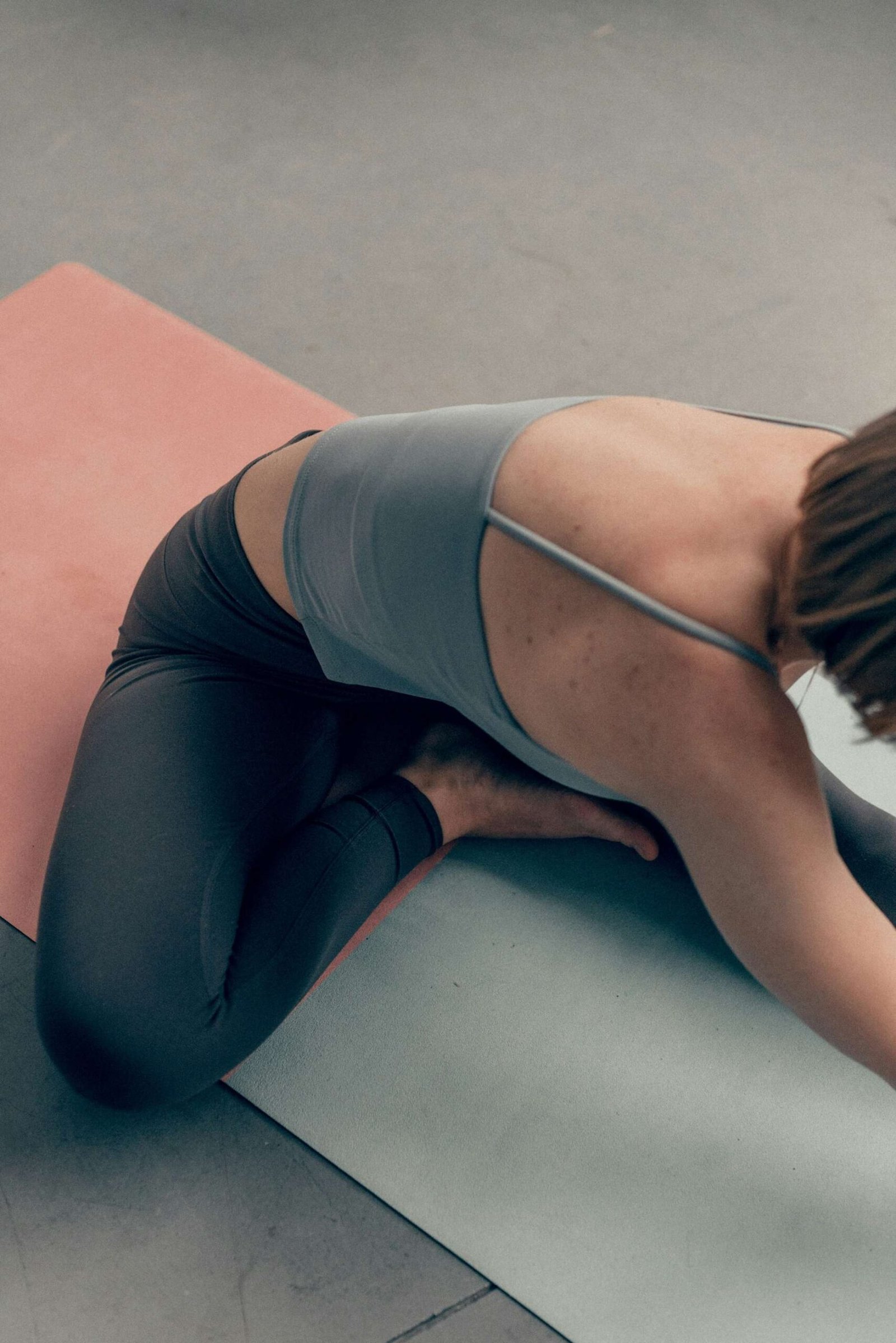
Your spine is involved whenever you bend, reach, turn, or get out of bed. But if you sit for long periods, don’t move much, or have tight muscles, these movements can start to feel less comfortable.
If you want to improve your spinal flexibility, you don’t have to do difficult yoga poses. Gentle, regular movement in different directions can help your flexibility and range of motion. The main thing is to combine mobility exercises with strength and keep at it.
What Is Spinal Flexibility?
Spinal flexibility is about how easily your back moves through its range of motion. Your spine can move in different ways: flexion when you bend forward, extension when you bend backward, rotation when you twist, and lateral flexion when you bend to the side.
Flexibility and mobility are similar, but not quite the same. Flexibility is about how much your muscles and tissues can stretch, while mobility is about how well you can move your joints through a comfortable range.
When you want to improve spinal flexibility, it’s better to work on moving your spine in different directions instead of just stretching your lower back over and over.
Why Does Spinal Flexibility Matter?
Good mobility helps you with daily tasks. You use your spine when you tie your shoes, reach up, turn to look behind you, exercise, get dressed, or move from sitting to standing.
Stretching can improve flexibility and joint range of motion. Mayo Clinic notes that better flexibility may improve your ability to perform physical activities and everyday tasks.
But having more flexibility isn’t always better. Aim for comfortable, controlled movement instead of trying to make your spine as flexible as possible.
Why Does Your Back Become Stiff?
Your back might feel stiff if you sit at a desk for hours, drive for a long time, or just don’t move much during the day. Tight muscles in your hips and back can also make movement less comfortable.
Things like age, past injuries, doing the same movements over and over, or certain joint or spine conditions can also affect your mobility. People who have had back pain may start to avoid some movements and end up moving less.
If you have ongoing stiffness with a lot of pain, it’s more serious than just feeling stiff after sitting for a while.
How to Improve Spinal Flexibility: 8 Exercises
These exercises are a simple way to start improving your spinal flexibility. Move slowly, stay in a comfortable range, and never push your spine into pain.
1. Cat-Cow Stretch
Cat-Cow gently moves your spine between flexion and extension. Start on your hands and knees with your hands below your shoulders and knees below your hips.
Slowly round your back toward the ceiling while bringing your head slightly down. Then reverse the movement gently, allowing your abdomen to move downward as your head and pelvis rise.
Mayo Clinic’s Cat-Cow instructions recommend moving with your breathing and repeating the movement several times.
2. Open Book Rotation
Lie on your side with your knees bent and your arms extended in front of you. Slowly move your upper arm away from the other hand while rotating your chest toward the opposite side.
Keep the movement smooth and comfortable. Then return to your starting position and repeat before changing sides.
Open Books mostly help your upper back move and are a good way to add gentle rotation to your routine.
3. Child’s Pose
Start on your knees and gently move your hips toward your heels while reaching your hands forward. Allow your back to relax and breathe normally.
Mayo Clinic includes Child’s Pose among its gentle mindful movements and suggests using blankets or pillows for support if reaching the floor feels uncomfortable.
If you have serious knee or hip problems, you might need to change or skip this exercise.
4. Supine Spinal Twist
Lie on your back with your knees bent and feet on the floor. Keeping your shoulders down, slowly allow your knees to move toward one side.
Hold briefly before returning to the middle and repeating on the other side.
Mayo Clinic includes a similar lower-back rotational stretch in its back exercise program and recommends slowly rolling the bent knees from side to side.
5. Gentle Cobra Stretch
Lie face down with your hands close to your shoulders. Gently lift your upper chest while keeping the movement controlled.
You don’t need to do a big backbend. Stop when the movement feels comfortable, not when you feel pressure or pain.
When considering how to improve spinal flexibility, gradual extension is usually more sensible than forcing yourself into the deepest possible Cobra position.
6. Seated Side Bend
Sit upright on a chair or the floor. Raise one arm overhead and slowly lean toward the opposite side until you feel a gentle stretch.
Return to the center and repeat on the other side.
Side bends help you move your spine sideways, which many people forget to do. Focus on moving both sides in a controlled way instead of reaching as far as you can.
7. Kneeling Thoracic Rotation
Start on your hands and knees and place one hand behind your head. Slowly rotate your upper body so your elbow moves upward. Return to your starting position before repeating.
Focus on comfortable upper-back rotation rather than aggressively twisting your lower back.
This exercise goes well with Cat-Cow because it moves your spine in a different direction.
8. Pelvic Tilts
Lie on your back with your knees bent and feet flat on the floor. Slowly tighten your abdominal muscles and tilt your pelvis so your lower back changes position slightly. Relax and repeat.
Mayo Clinic recommends a similar lower-back flexibility exercise. Its program suggests starting with five repetitions per day and gradually working up to 30.
Pelvic tilts are great for beginners since the movement is small and easy to manage.
How Often Should You Work on Spinal Flexibility?
Being consistent is more important than doing a long stretch once in a while. Mayo Clinic suggests stretching your main muscle groups two or three times a week, and even 5 to 10 minutes at a time can help.
If you’re working on spinal flexibility, start with short sessions you can stick with.
It’s best not to stretch cold muscles. Mayo Clinic recommends warming up with 5 to 10 minutes of light activity first. Walking or another gentle activity works well.
Should You Stretch Your Back If It Hurts?
Stretching should feel like a gentle pull, not sharp pain. Mayo Clinic says you shouldn’t aim for pain. If a stretch hurts, you’ve gone too far and should ease up.
Stop any exercise if it causes a lot of pain, numbness, tingling, weakness, or shooting sensations.
If you have ongoing back pain or are returning to exercise after a back injury, Mayo Clinic recommends talking with a physical therapist or another healthcare professional about which activities are safe for you.
Stretching vs. Strengthening: Which Is Better?
Improving spinal flexibility isn’t just about stretching. You also need enough strength to control your body as you move.
Exercises such as glute bridges, bird dogs, dead bugs, and appropriate resistance training can complement mobility work. The American Academy of Orthopaedic Surgeons spine-conditioning program, for example, includes both flexibility and strengthening exercises, including hip bridges and modified side planks.
So, a good routine includes flexibility, mobility, strength, and regular physical activity.
Daily Habits That Support Spinal Mobility
If you sit most of the day, try to get up and move around often. You don’t have to keep a stiff, ‘perfect’ posture all day. Changing positions and moving more can help you avoid feeling stiff.
Walking, resistance training, swimming, Pilates, and suitable yoga exercises can all add movement to your week. Mayo Clinic notes that gentle movement practices such as yoga, Pilates, and tai chi can help improve flexibility in specific movements.
Most importantly, take your time and progress slowly as you work on spinal flexibility.
Exercises to Approach With Caution
Beginners don’t need to do deep backbends, strong twists, or heavy spinal-flexion exercises.
For example, Jefferson curls involve progressively rounding the spine while holding resistance. Although trained individuals may use them for specific purposes, they should not automatically be treated as a beginner flexibility exercise.
Don’t compare your flexibility to a gymnast or experienced yoga practitioner. Everyone’s flexibility is different. Mayo Clinic suggests focusing on balanced flexibility instead of trying to match someone else’s range.
How Long Does It Take to Improve Spinal Flexibility?
There’s no set timeline for improving spinal flexibility. Your starting point, age, exercise habits, body type, past injuries, and how consistent you are all play a role.
Some people may notice that everyday movements begin feeling easier after several weeks of regular practice. More significant changes may take longer.
Instead of checking how far you can bend each day, notice if turning, reaching, bending, and exercising start to feel easier over time.
When Should You See a Physical Therapist or Doctor?
See a professional if your stiffness or back pain doesn’t get better after changing your activity, keeps you from daily movement, or happens after a major injury.
Seek prompt medical attention for concerning symptoms such as substantial weakness or numbness, major trauma, or new problems controlling your bladder or bowel.
A physical therapist can check your movement and help you figure out if you need more flexibility, strength, stability, or a mix of these.
Frequently Asked Questions
What is the best way to improve spinal flexibility?
The best way to improve spinal flexibility is to move regularly and in different directions. Mix exercises for bending forward, backward, twisting, and side bending with strength work and general activity.
Can a stiff spine become flexible again?
Most people can get more flexible with regular exercise and stretching. But your range of motion also depends on your body, age, past injuries, and health.
How often should I stretch my back?
Stretching two or three times a week is a good goal. Mayo Clinic recommends doing flexibility work this often, but your routine might be different.
Is Cat-Cow good for spinal flexibility?
Cat-Cow gives you gentle forward and backward movement, so it’s a helpful mobility exercise for many people. Mayo Clinic shows Cat-Cow as a controlled movement that goes with your breathing.
Can walking improve spinal flexibility?
Walking doesn’t move your spine in every direction, so it can’t replace mobility exercises. But it keeps you active and helps break up long periods of sitting.
Is yoga good for spinal flexibility?
Yoga can help with flexibility, mobility, strength, and balance. Start at a level that feels right for you and don’t force deep backbends or twists.
Final Thoughts
You don’t need extreme stretches to improve spinal flexibility. Gentle exercises like Cat-Cow, Open Books, pelvic tilts, side bends, and controlled rotations can help you move your spine in different ways.
Be consistent, mix mobility with strength exercises, and give your body time to adjust. The goal is to move comfortably and with control, not just to see how far you can bend.
Helpful Video
Here’s a helpful video:
References
- Mayo Clinic — Stretching: Focus on Flexibility
Read Mayo Clinic’s stretching and flexibility guide - Mayo Clinic — Back Exercises in 15 Minutes a Day
View Mayo Clinic’s back exercise program - Mayo Clinic — Cat-Cow Pose
View the Cat-Cow exercise guide and video - Mayo Clinic — A Guide to Basic Stretches
Read the basic stretching guide - American Academy of Orthopaedic Surgeons — Spine Conditioning Program
View the AAOS Spine Conditioning Program - American College of Sports Medicine — Exercise and Flexibility Guidance
ACSM guidance commonly incorporates flexibility exercise at least two to three days per week as part of an overall exercise program.
Visit the American College of Sports Medicine guidance

Kevin Fletcher is a seasoned writer with over 10 years of experience crafting engaging and informative content in the health, fitness, and wellness industries. Passionate about helping readers live healthier lives, Kevin combines research-backed insights with practical tips to inspire positive change.