
Now Reading: How to Detox From Mold Exposure: Safe Steps That Help
-
01
How to Detox From Mold Exposure: Safe Steps That Help

It can be stressful to find mold in your bedroom, bathroom, or workplace, especially if you start coughing, feel congested, or have irritated eyes. You might start looking for ways to detox from mold exposure and wonder if you need special foods, supplements, or a cleanse.
Most people exposed to household mold do not need a special “mold detox.” The main steps are to stop or reduce exposure, fix the moisture problem, remove mold safely, and treat any real health issues if they come up. The U.S. Environmental Protection Agency (EPA) says that controlling moisture is the most important part of controlling mold.

What Happens When You Are Exposed to Mold?
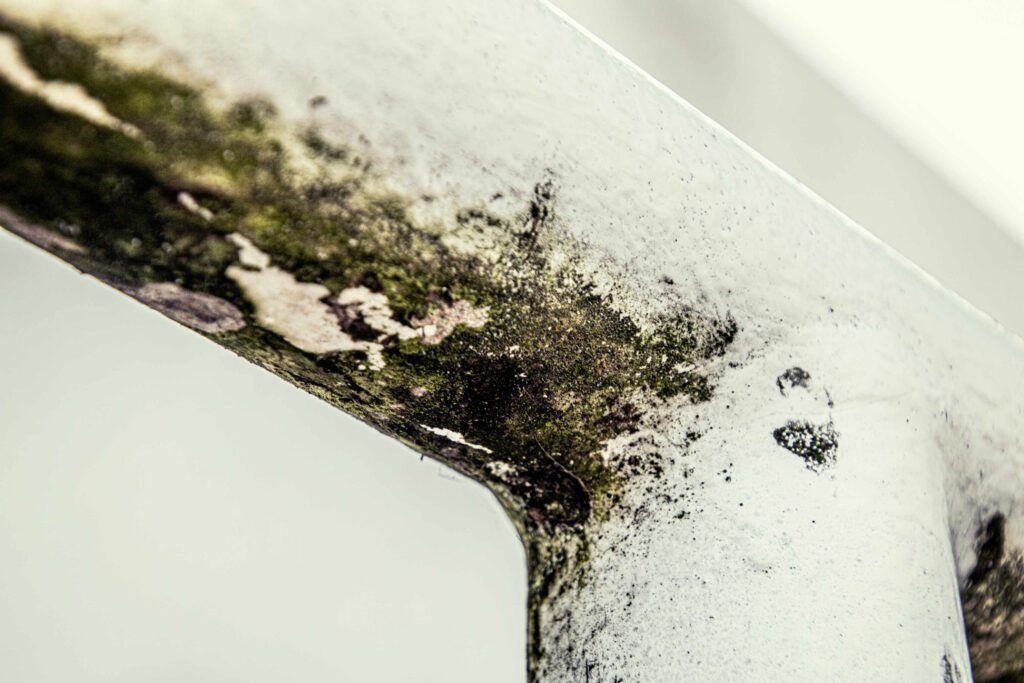
Mold is a type of fungus that grows in damp environments. Mold spores exist naturally outdoors and can also enter homes. When spores land on wet materials, they may begin growing.
Indoor mold commonly appears around leaking pipes, roofs, windows, bathrooms, flooded areas, damp carpets, drywall, and other places where moisture remains. The CDC notes that mold exposure can cause a stuffy nose, sore throat, coughing, wheezing, burning eyes, or skin rash in some people.
People with asthma or mold allergies may have stronger reactions. People with weakened immune systems or chronic lung diseases can also have a higher risk of developing fungal lung infections.
Common Symptoms of Mold Exposure
Before considering how to detox from mold exposure, it helps to understand what mold exposure can actually do.
Common reactions may include sneezing, nasal congestion, coughing, wheezing, irritated eyes, sore throat, and skin irritation. Research on damp indoor environments has also found associations with respiratory problems such as worsening asthma and hypersensitivity pneumonitis in susceptible individuals.
Feeling tired, having headaches, or trouble concentrating can happen for many reasons. Don’t assume these vague symptoms mean that “mold toxins” have built up in your body.
How to Detox From Mold Exposure Safely
If you want to detox from mold exposure, start by focusing on your environment instead of turning to supplements or cleanses.
Step 1: Stop or Reduce Mold Exposure
The first thing to do is reduce your ongoing exposure. Taking supplements won’t help if you keep spending time in a damp, moldy place.
Find where the moisture is coming from. Look for leaking pipes, roof leaks, condensation, flooding, or excessive humidity. The EPA’s mold guidance recommends cleaning up mold promptly and fixing the water problem.
Step 2: Fix Moisture and Remove the Mold
If water leaks or spills indoors, act quickly. The EPA states that when wet or damp materials are dried within 24 to 48 hours, mold will not grow in most cases.
You can usually clean hard surfaces with detergent and water, then dry them well. Porous materials that can’t be cleaned or dried may need to be thrown away. If the mold problem is large or complicated, you might need professional help.
Step 3: Treat Your Symptoms
Another key part of dealing with mold exposure is to treat any real health problems, instead of trying to “flush” mold out of your body.
People with allergies or asthma may need treatments recommended by their doctor. Persistent breathing symptoms should be medically evaluated, particularly if you already have asthma, chronic lung disease, or a weakened immune system.
Does Your Body Naturally Remove Mold Toxins?
Your body already has ways to process and remove many substances. Your liver, kidneys, digestive system, lungs, and immune system all help with this.
For ordinary household mold exposure, public-health guidance from agencies such as the CDC and EPA focuses on reducing exposure, controlling moisture, removing mold, and managing health effects, rather than using commercial detoxification programs.
It’s important to remember this when looking into how to detox from mold exposure. Not doing a detox doesn’t mean you should ignore a real moisture or mold problem.
Do Mold Detox Diets Work?
You might find online lists that say garlic, leafy greens, herbs, spices, or special “binding foods” can get rid of mold in your body. But there is no proven diet that removes household mold from the body.
A balanced diet still makes sense while recovering from any period of poor health. Eat vegetables, fruits, whole grains, protein-rich foods, nuts, seeds, and healthy fats, and drink enough fluids for your normal needs.
But eating certain foods should not take the place of removing mold from your environment. When you want to detox from mold exposure, focus on supporting your overall health instead of looking for foods that claim to “pull toxins” from your body.
What About Activated Charcoal and Mold Binders?
Some people promote activated charcoal as a mold detox supplement. While activated charcoal is used in medicine for certain poisonings, it should not be taken regularly after household mold exposure.
Charcoal can cause gastrointestinal problems and interfere with the absorption of medications. Other products marketed as “mold binders” also should not be taken simply because you found mold in your home.
If a clinician believes you have a specific medical problem related to an exposure, treatment should be based on that diagnosis rather than a generic online detox protocol.
Can You Sweat Mold Out of Your Body?
Saunas and exercise can help you relax, but sweating is not a proven way to remove mold from your body.
If you’re researching how to detox from mold exposure, you may encounter recommendations for intense exercise, infrared saunas, or “sweat detoxes.” These approaches should not replace environmental mold removal or appropriate medical care.
Exercise can still form part of a healthy lifestyle when you feel well enough to exercise, but it should not be presented as a mold-removal treatment.
Do You Need Antifungal Medicine?
Breathing in mold spores doesn’t mean mold is growing inside your body. So, regular mold exposure usually doesn’t mean you need antifungal medicine.
People with weakened immune systems or chronic lung conditions can sometimes develop fungal infections and require specialist medical treatment. The CDC specifically notes that immunocompromised people and those with chronic lung disease may develop lung infections from mold.
Antifungal medicine should only be used if a doctor diagnoses a condition that needs it, not as a do-it-yourself way to detox from mold exposure.
How to Get Mold Out of Your Home
Control Humidity
Moisture control is one of the most effective ways to prevent mold from returning. The EPA recommends keeping indoor relative humidity below 60%, and ideally between 30% and 50% when possible.
A simple humidity meter can help you monitor the level. Ventilation, air conditioning, and dehumidifiers may help when humidity becomes excessive.
Clean and Dry Moldy Areas
The EPA recommends fixing plumbing leaks and other water problems quickly. Mold on appropriate hard surfaces can generally be scrubbed with detergent and water before the surface is dried completely.
Do not simply paint over mold. The moisture source must first be fixed, and the mold needs to be removed.
Know When You Need Professional Help
You might need professional help if the mold problem is large, hidden inside walls or HVAC systems, there’s major water damage, or if you’re not sure how to clean it up safely.
EPA resources note that mold areas larger than about 10 square feet may warrant professional consideration.
How Long Does Mold Detox Take?
There is no medically established “mold detox timeline.” Be cautious of programs promising that week one removes toxins, week two repairs the gut, and week four completely detoxifies the body.
How quickly you feel better depends on what symptoms you have, how much exposure occurred, whether exposure continues, and whether you have an underlying condition such as asthma or mold allergy.
That’s why there isn’t a one-size-fits-all answer for how long it takes to detox from mold exposure.
When Should You See a Doctor?
Speak with a healthcare professional if coughing, wheezing, breathing problems, congestion, or other symptoms persist after you leave the moldy environment. People with asthma should seek medical advice if mold exposure repeatedly triggers or worsens their symptoms.
People with weakened immune systems should be particularly careful around mold-contaminated environments. CDC guidance recommends that people with profound immune impairment avoid mold-contaminated environments because of the increased infection risk.
Get medical help right away if you have serious trouble breathing or any other severe or quickly worsening symptoms.
Frequently Asked Questions
What is the fastest way to detox from mold exposure?
The most practical answer to how to detox from mold exposure is to stop ongoing exposure. Fix the moisture source, remove mold safely, and get appropriate treatment if you develop persistent health symptoms.
What foods remove mold from your body?
No specific food has been established as a treatment that removes household mold from your body. Eat a balanced, nutritious diet instead of relying on restrictive “mold detox” diets.
Does activated charcoal detox mold?
You shouldn’t use activated charcoal on your own as a treatment for household mold exposure. Talk to a healthcare professional before trying products sold as mold binders, especially if you take other medications.
Can you sweat mold toxins out?
Sweating from exercise or using a sauna isn’t a proven way to treat mold exposure. Instead, focus on reducing your exposure and fixing the mold and moisture problem.
How long does mold exposure stay in your body?
There’s no simple timeline for recovery because mold exposure doesn’t stay in your body for a set number of days. How you recover depends on your exposure, your health, your symptoms, and if you’re still being exposed.
Final Thoughts
If you’re wondering how to detox from mold exposure, the safest way is simpler than many commercial detox programs make it seem. Start by stopping or reducing your exposure, fixing the moisture source, removing mold safely, and treating any real health problems.
Don’t let special detox diets, activated charcoal, supplements, saunas, or other cleanses take the place of these steps. If your symptoms keep going after you leave the moldy area, talk to a healthcare professional to find out what’s causing them.
Helpful YouTube Resource
Here’s a video by Dr. Andrew:
References
- U.S. Environmental Protection Agency (EPA) — A Brief Guide to Mold, Moisture and Your Home
EPA mold and moisture guide - EPA — Biological Contaminants and Indoor Air Quality
EPA indoor air quality guidance - CDC/NIOSH — Mold Exposure and Respiratory Health in Damp Indoor Environments
CDC mold exposure and respiratory health resource - CDC — You Can Control Mold
CDC mold health and prevention resource - EPA — Mold and Moisture Resource Directory
EPA mold cleanup and moisture-control guidance

Kevin Fletcher is a seasoned writer with over 10 years of experience crafting engaging and informative content in the health, fitness, and wellness industries. Passionate about helping readers live healthier lives, Kevin combines research-backed insights with practical tips to inspire positive change.