
Now Reading: How to Reduce Inflammation on a Pimple: 5 Safe Steps
-
01
How to Reduce Inflammation on a Pimple: 5 Safe Steps
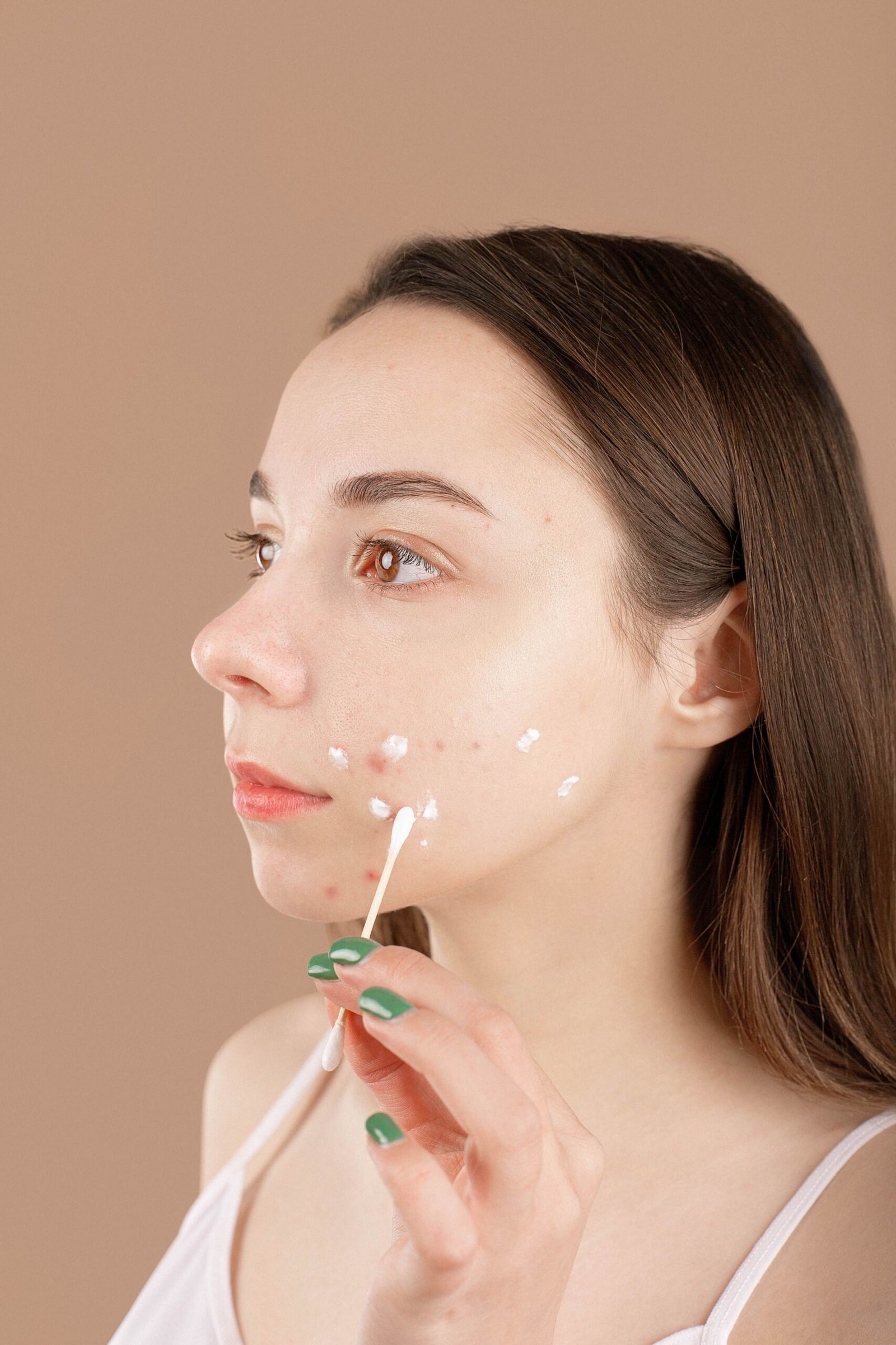
When you get a swollen pimple before a big day, it’s tempting to try every remedy you can find. But the first step to reducing inflammation is to hold back on that urge. Acne is very common, affecting up to 50 million Americans each year, according to the American Academy of Dermatology (AAD). The goal is to soothe the area without making your skin more irritated from too many treatments. American Academy of Dermatology
Why do pimples become inflamed?
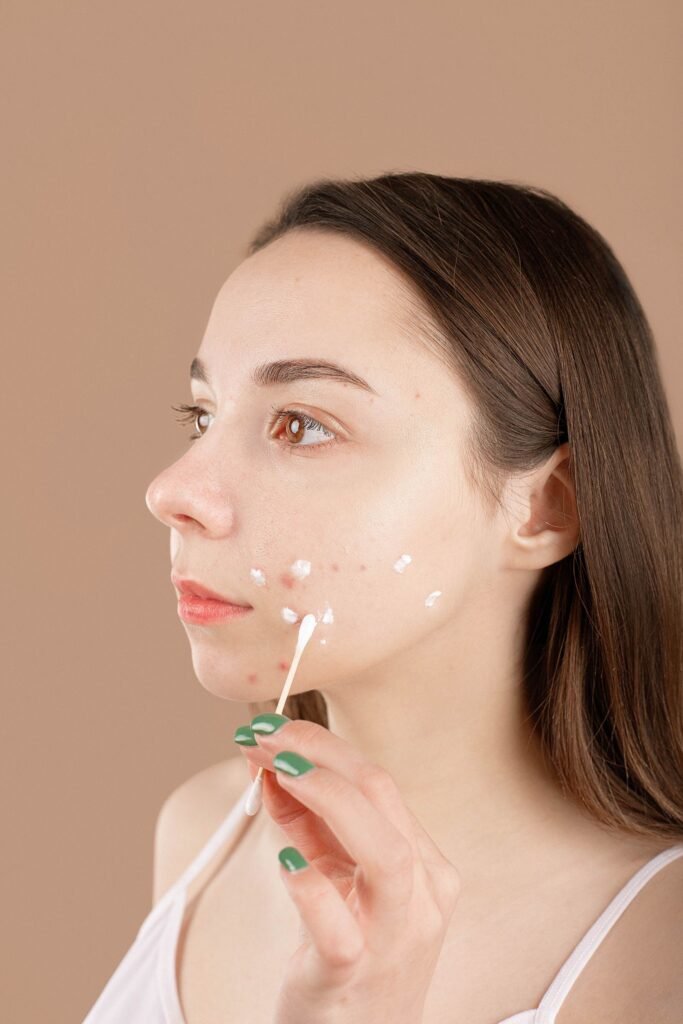
Oil and dead skin cells can block a hair follicle, which lets bacteria cause inflammation. A small bump on the surface is not the same as a deep, painful nodule or cyst. If you have a deep lump, it’s important to know that you might need professional help instead of trying stronger home remedies. On darker skin, redness can look purple or brown. nhs.uk
How to Reduce Inflammation on a Pimple at Home
Begin by washing your face gently, avoid squeezing the pimple, and try using a cold compress wrapped in a clean cloth for some relief. Use your acne treatment as directed. The main goal is to soothe your skin, not to expect an instant fix. American Academy of Dermatology
1. Cleanse Gently and Keep Your Hands Off
Wash your face with a mild cleanser, using only your fingertips instead of a scrub or brush. Do this up to twice a day and after sweating. Picking at pimples will only make inflammation, scarring, and dark marks more likely. American Academy of Dermatology
2. Try a Wrapped Cold Compress
If you want fast relief from a swollen pimple, using something cold can help reduce swelling and pain for a little while. Always wrap ice in a clean, soft cloth before applying it, and take breaks. Never put ice directly on your skin. Stop if you feel pain, numbness, or irritation. Cleveland Clinic
3. Choose One Suitable Acne Treatment
Benzoyl peroxide can help with mild inflamed pimples. The AAD suggests starting with a 2.5% strength to lower the chance of dryness or irritation. Salicylic acid works mainly as an exfoliant and is best for blackheads and whiteheads. You don’t need the strongest product to reduce inflammation. Just use one treatment as directed and avoid adding several new products at once. Using too many can make your skin feel worse. American Academy of Dermatology
4. Consider a Plain Hydrocolloid Patch
Hydrocolloid patches soak up fluid and help protect pimples from being picked at. According to the Cleveland Clinic, they work best on open, oozing blemishes, not on deep, closed lumps. Apply a patch to clean, dry skin as instructed. Never squeeze a pimple to prepare it for a patch. While patches can protect a spot, they won’t stop future breakouts. Cleveland Clinic
5. Moisturize and Use Sunscreen
Some people skip moisturizer when treating pimples, worried it might cause more breakouts. Instead, choose a non-comedogenic moisturizer, which is made not to clog pores, to help with dryness from acne treatments. During the day, use a broad-spectrum sunscreen with SPF 30 or higher, especially if your acne products make your skin more sensitive to the sun. American Academy of Dermatology
Ice or a warm compress?
How you treat a pimple depends on your goal. Cold can give short-term relief, but for a deep, painful pimple, the AAD recommends using a warm, damp washcloth. Hold it on the area for 10 to 15 minutes, three times a day. Make sure the water is warm but not hot, and never try to force the pimple to drain. Cleveland Clinic
How quickly can swelling improve?
Learning how to reduce inflammation on a pimple also helps your skin heal. A pimple might feel less irritated before it fully goes away, and acne treatments take time to work. The AAD says you may see fewer breakouts after 4 to 8 weeksof effective treatment, but this is for overall improvement, not for every single pimple. American Academy of Dermatology
Mistakes That Can Make Pimples Worse
Never use toothpaste or harsh scrubs to try to reduce inflammation on a pimple. These can irritate your skin instead of helping it heal. Don’t use hydrocortisone cream as a home acne treatment either. The NHS says it may not be right for acne and recommends getting professional advice before using it on your face. Cleveland Clinic
A Simple Routine for Fewer Breakouts
After you learn how to reduce inflammation on a pimple, focus on preventing new ones. Cleanse your skin gently, always remove makeup before bed, and use non-comedogenic products. Stick with your chosen acne treatment instead of switching products every time you get a new pimple. If you need help, ask your pharmacist to suggest a routine that’s easy to follow. A simple daily routine is much easier to keep up with than using lots of different products. nhs.uk
When to Get Medical Help
Part of managing pimples is knowing when home care isn’t enough. See a healthcare provider if you keep getting deep lumps, have scarring, ongoing breakouts, or if acne is affecting your confidence or mood. A dermatologist might treat a painful nodule or cyst with a corticosteroid injection, and the AAD says most will flatten within 48 to 72 hours. These injections are not for routine use and can have side effects. nhs.uk
Get medical help right away if you have a fever, spreading redness or warmth, severe pain, or swelling near your eye. These symptoms could mean an infection, not just a regular pimple, and need more than a spot treatment. Cleveland Clinic

FAQs About How to Reduce Inflammation on a Pimple
Can you calm a pimple overnight?
Some swelling might go down quickly, but full healing takes time. Don’t add more medication or try to squeeze the pimple, even if you have an important event coming up. Cleveland Clinic
Can you combine benzoyl peroxide and salicylic acid?
A healthcare provider might suggest using both products, but starting them together can cause more irritation. Begin with just one unless your treatment plan says otherwise. American Academy of Dermatology
Why is the skin still red afterwards?
After acne heals, you might see a flat pink, red, or brown mark left behind. This is different from an active, swollen pimple and doesn’t always mean you have a scar. American Academy of Dermatology
Final Thoughts
Reducing inflammation on a pimple is about gentle, steady care, not harsh or fast solutions. Don’t squeeze pimples. Use the right treatment for your type of blemish and be patient. If your pimples are still painful or you keep getting deep spots, see a dermatologist instead of trying lots of home remedies. American Academy of Dermatology
Helpful Youtube Resource
You can watch the AAD’s YouTube video:
References
- American Academy of Dermatology — Treatment guidance: Adult Acne Treatment, Acne Skincare Tips, Treating Deep, Painful Pimples, and Pimple Popping and Professional Treatment.
- American Academy of Dermatology — Supporting information: Skin Condition Statistics, Moisturizer and Acne, Acne Scars and Discoloration, and Acne Clinical Guidelines.
- NHS: Acne: Symptoms, Treatment, and Medical Advice and Hydrocortisone for Skin.
- Cleveland Clinic: Pimples: Causes and Treatment, Tips to Help Get Rid of Pimples, How Pimple Patches Work, and Infected Pimples.
- YouTube — American Academy of Dermatology: Treating Deep, Painful Pimples: Dermatologist Tips.

Kevin Fletcher is a seasoned writer with over 10 years of experience crafting engaging and informative content in the health, fitness, and wellness industries. Passionate about helping readers live healthier lives, Kevin combines research-backed insights with practical tips to inspire positive change.