

Now Reading: Hair Growth Oil Recipe: Easy DIY Oils for Stronger, Healthier Hair
-
01
Hair Growth Oil Recipe: Easy DIY Oils for Stronger, Healthier Hair
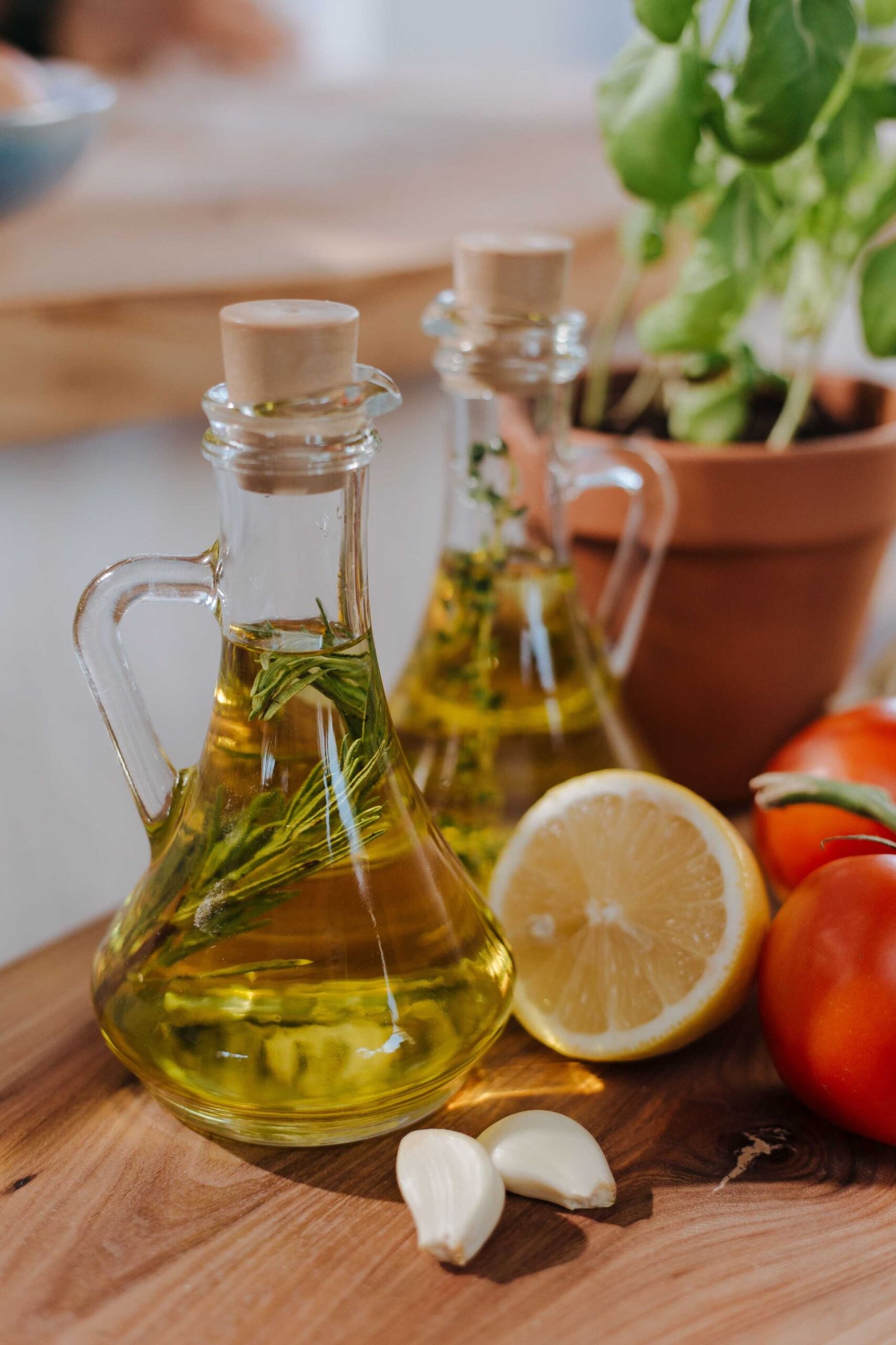
Healthy hair begins with a healthy scalp. Genetics, nutrition, and lifestyle all play a role in hair growth, but many people also use natural remedies to help their hair look stronger and shinier. A popular option is making your own hair growth oil using nourishing oils and plant-based ingredients.
A well-made hair growth oil can moisturize your scalp, reduce breakage, and make your hair look better overall. While no oil can promise dramatic hair growth, some ingredients may help create a healthier environment for your hair.
This guide will show you how to make a simple hair growth oil, explain the benefits of common ingredients, and share practical tips to help you get the best results.
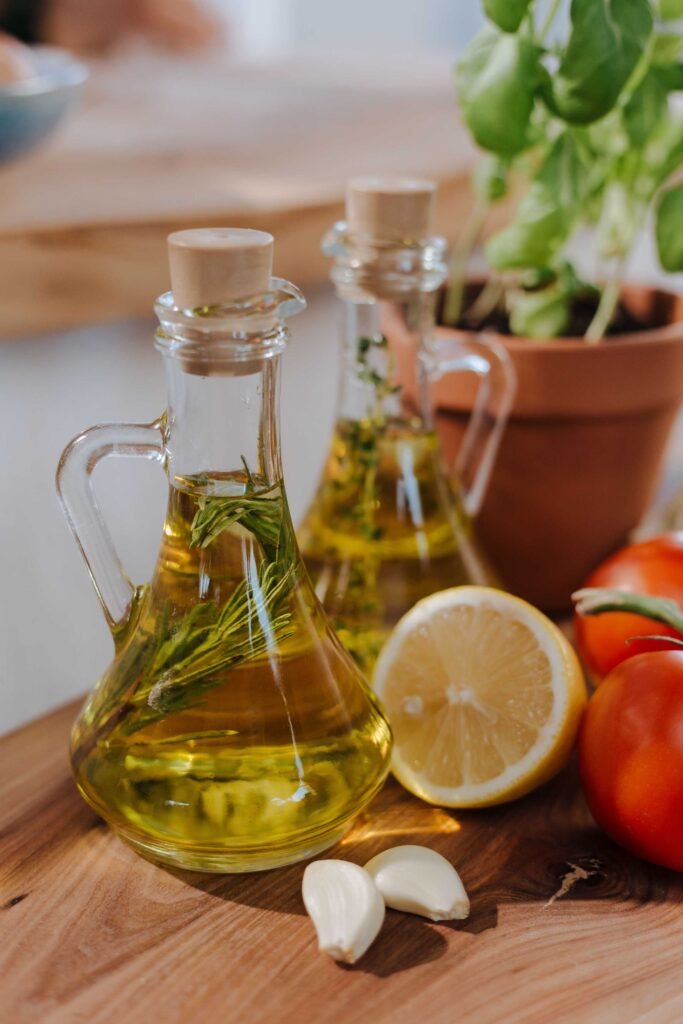
Why Use a Homemade Hair Growth Oil Recipe?
Many store-bought hair products have synthetic fragrances, preservatives, and other additives. When you make your own hair growth oil, you know exactly what you are putting on your scalp and hair.
Homemade hair oils usually cost less than salon products. You can also choose ingredients that fit your hair type and needs.
If you deal with dryness, frizz, or breakage, a custom hair growth oil can be a helpful part of your hair care routine.
Natural Ingredients You Can Trust
Natural oils like coconut, castor, rosemary, and jojoba have been used in beauty routines for centuries. They add moisture and help protect your hair from damage.
Cost-Effective Hair Care
Most ingredients for hair growth oil can be used for several batches, so they are a budget-friendly choice compared to pricey treatments.
Customized for Your Hair Needs
You can change your oil blend to match whether your hair is dry, oily, curly, straight, or color-treated.
How Hair Growth Oils May Support Healthy Hair
Hair oils primarily help improve your scalp and protect your hair strands.
Nourishing the Scalp
A healthy scalp leads to healthy hair. Oils can reduce dryness and make your scalp feel more comfortable.
Reducing Dryness and Breakage
Dry hair is more likely to break. Using oil treatments regularly can help your hair keep moisture and reduce split ends.
Supporting Stronger Hair Strands
Many oils have fatty acids and antioxidants that protect your hair shaft.
Encouraging a Healthy Hair Growth Environment
The American Academy of Dermatology says it is normal to lose 50 to 100 hairs each day as part of the natural hair cycle. Taking care of your scalp can help keep your hair stronger over time.
Best Ingredients for a Hair Growth Oil Recipe
Choosing the right ingredients is the foundation of an effective hair growth oil recipe.
Rosemary Oil
Rosemary oil has become one of the most popular ingredients in natural hair care.
A 2015 study published in SKINmed Journal found rosemary oil performed similarly to minoxidil in improving hair count after six months while causing less scalp itching.
Benefits
- Supports scalp health
- May improve hair density
- Pleasant herbal aroma
Castor Oil
Castor oil is thick and very moisturizing.
Benefits
- Helps lock in moisture
- Reduces dryness
- Creates a protective barrier
Coconut Oil
Research in the Journal of Cosmetic Science found that coconut oil may help reduce protein loss from hair strands.
Benefits
- Deeply nourishes hair
- Helps reduce breakage
- Improves softness
Peppermint Oil
Peppermint oil provides a refreshing sensation when applied to the scalp.
Benefits
- Refreshes the scalp
- Creates a cooling effect
- Popular in DIY hair care
Argan Oil
Often called “liquid gold,” argan oil helps smooth frizz and add shine.
Benefits
- Lightweight hydration
- Enhances shine
- Helps tame flyaways
Basic Hair Growth Oil Recipe
This beginner-friendly hair growth oil recipe combines three powerful ingredients.
Ingredients
- 2 tablespoons coconut oil
- 1 tablespoon castor oil
- 5 drops rosemary essential oil
Directions
- Add all ingredients to a small glass bowl.
- Mix thoroughly until combined.
- Transfer to a clean glass bottle.
- Store in a cool, dry place.
How to Use
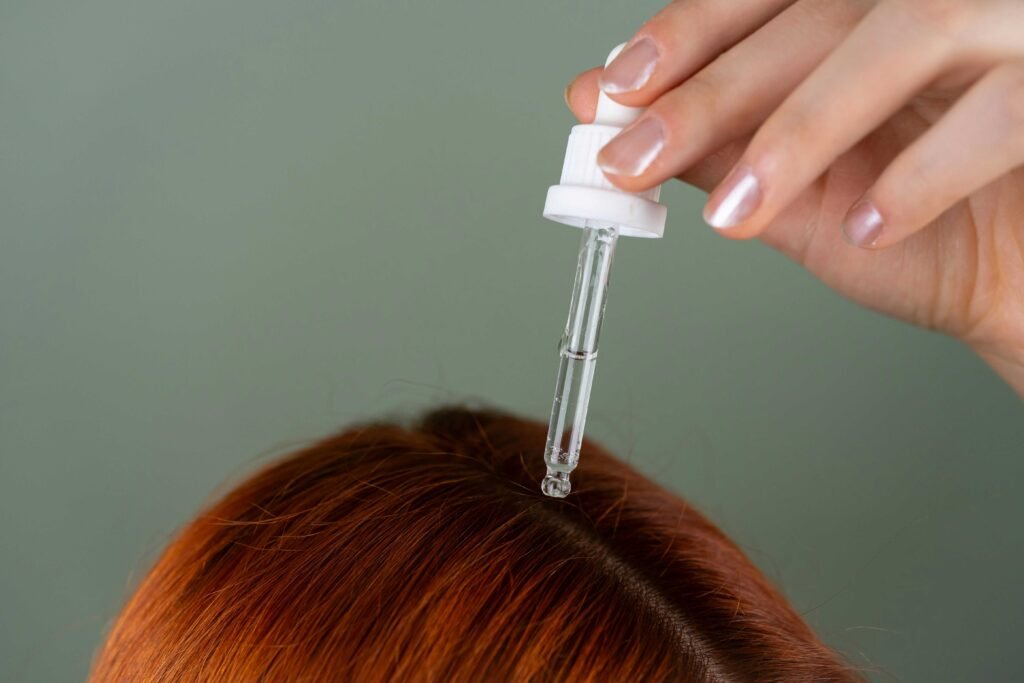
Apply a small amount of the hair growth oil recipe directly to your scalp. Massage gently for 5 minutes using your fingertips. Leave it on for at least one hour before shampooing.
Rosemary and Lavender Hair Growth Oil Recipe
This variation combines rosemary with soothing lavender oil.
Ingredients
- 2 tablespoons jojoba oil
- 5 drops rosemary oil
- 3 drops lavender oil
Benefits
This hair growth oil recipe offers a calming aroma while helping moisturize the scalp.
Rosemary and Peppermint Hair Growth Oil Recipe
For a refreshing scalp treatment, try this version.
Ingredients
- 2 tablespoons coconut oil
- 4 drops rosemary oil
- 3 drops peppermint oil
Benefits
This hair growth oil recipe creates a cooling sensation and works especially well for oily scalps.
Rosemary and Argan Oil Hair Serum Recipe
If frizz is your biggest concern, this lightweight serum may help.
Ingredients
- 2 tablespoons argan oil
- 4 drops rosemary oil
Benefits
This hair growth oil recipe adds shine without leaving hair greasy.
Rosemary and Castor Oil Hair Growth Recipe
This deeply nourishing option works well for dry hair.
Ingredients
- 2 tablespoons castor oil
- 2 tablespoons coconut oil
- 5 drops rosemary oil
Benefits
This hair growth oil recipe helps condition dry hair and improve manageability.
How to Apply Hair Growth Oil Correctly
Even the best hair growth oil recipe requires proper application.
Step 1: Section Your Hair
Divide your hair into small sections for even coverage.
Step 2: Apply Oil to the Scalp
Use your fingertips or a dropper bottle.
Step 3: Massage Gently
Massage for five minutes to distribute the oil evenly.
Step 4: Leave It On
Allow the oil to sit for one to two hours or overnight.
Step 5: Wash Thoroughly
Use a gentle shampoo to remove excess oil.
Tips to Boost Hair Growth Naturally
A hair growth oil recipe works best when combined with healthy habits.
Eat a Balanced Diet
Protein, iron, zinc, and vitamins support healthy hair growth.
Manage Stress Levels
High stress may contribute to increased hair shedding.
Avoid Excessive Heat Styling
Reduce the use of hot tools whenever possible.
Stay Hydrated
Adequate hydration supports overall wellness and scalp health.
Protect Hair While Sleeping
Use a silk pillowcase or protective hairstyle to reduce friction.
Common Mistakes to Avoid
Many people expect instant results from a hair growth oil recipe, but consistency matters.
Avoid applying undiluted essential oils directly to your scalp. Always mix them with a carrier oil.
Using too much oil can also leave hair greasy and difficult to wash. A small amount is usually enough.
Are Homemade Hair Growth Oils Safe?
Most homemade hair oils are safe when used correctly.
Always perform a patch test before trying a new hair growth oil recipe. Apply a small amount to your skin and wait 24 hours for any reaction.
If you have scalp conditions or significant hair loss, consult a dermatologist for personalized guidance.
Final Thoughts on Hair Growth Oil Recipes
A simple hair growth oil recipe can be a valuable addition to your hair care routine. Ingredients such as rosemary oil, coconut oil, castor oil, and argan oil help nourish the scalp and protect hair from damage.
While no hair growth oil recipe can guarantee dramatic hair growth, consistent use alongside healthy lifestyle habits may improve the overall appearance, strength, and manageability of your hair. Patience and consistency remain the keys to achieving healthier-looking hair over time.
YouTube Resource
Here’s a helpful video:
References
American Academy of Dermatology (AAD)
https://www.aad.org
National Institutes of Health (NIH)
https://www.nih.gov
PubMed – Rosemary Oil vs Minoxidil Study
https://pubmed.ncbi.nlm.nih.gov/25842469/
Journal of Cosmetic Science – Coconut Oil and Hair Protein Loss
https://library.scconline.org

Kevin Fletcher is a seasoned writer with over 10 years of experience crafting engaging and informative content in the health, fitness, and wellness industries. Passionate about helping readers live healthier lives, Kevin combines research-backed insights with practical tips to inspire positive change.