
Now Reading: Benefits of Drinking Hot Water at Night: Facts and Tips
-
01
Benefits of Drinking Hot Water at Night: Facts and Tips
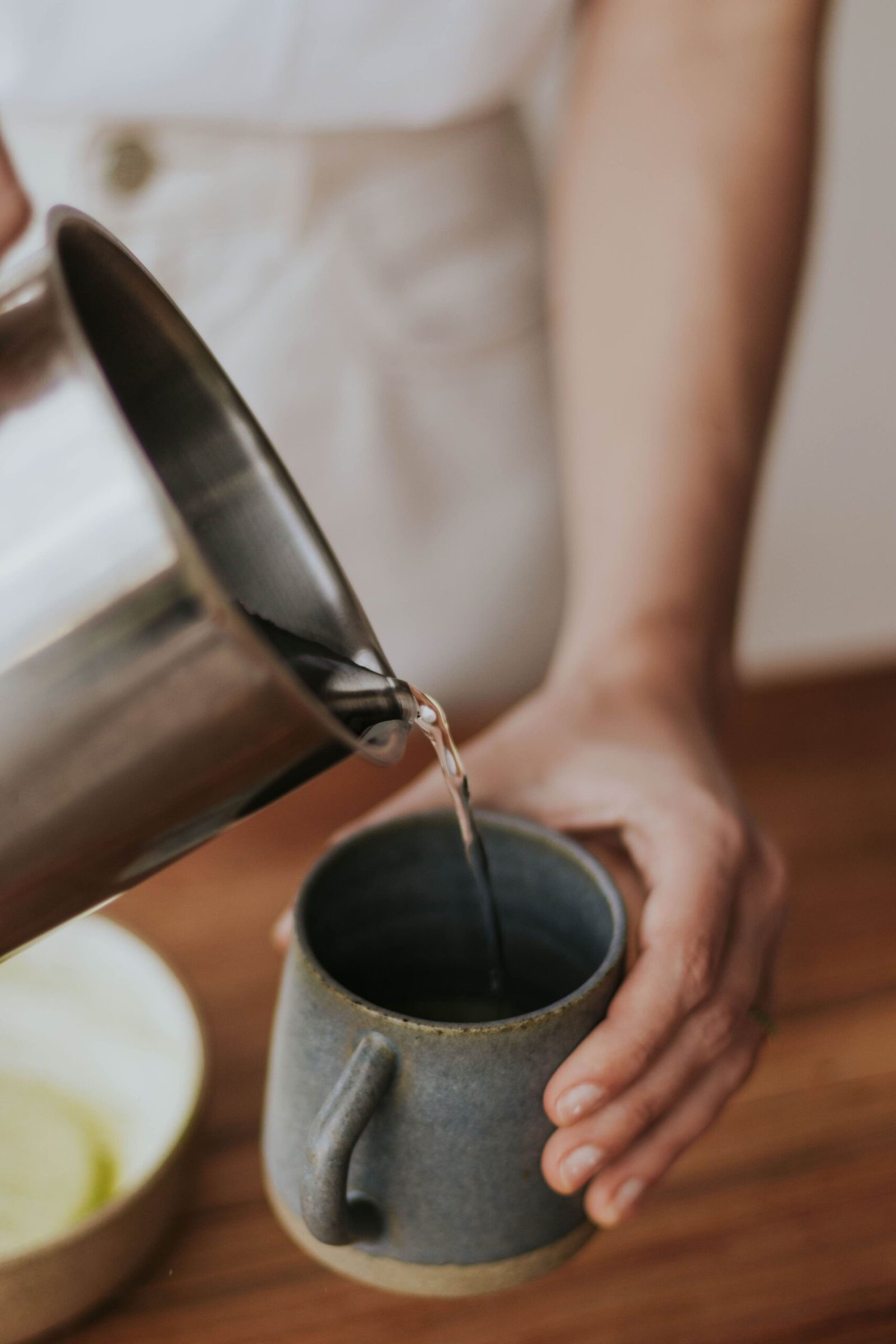
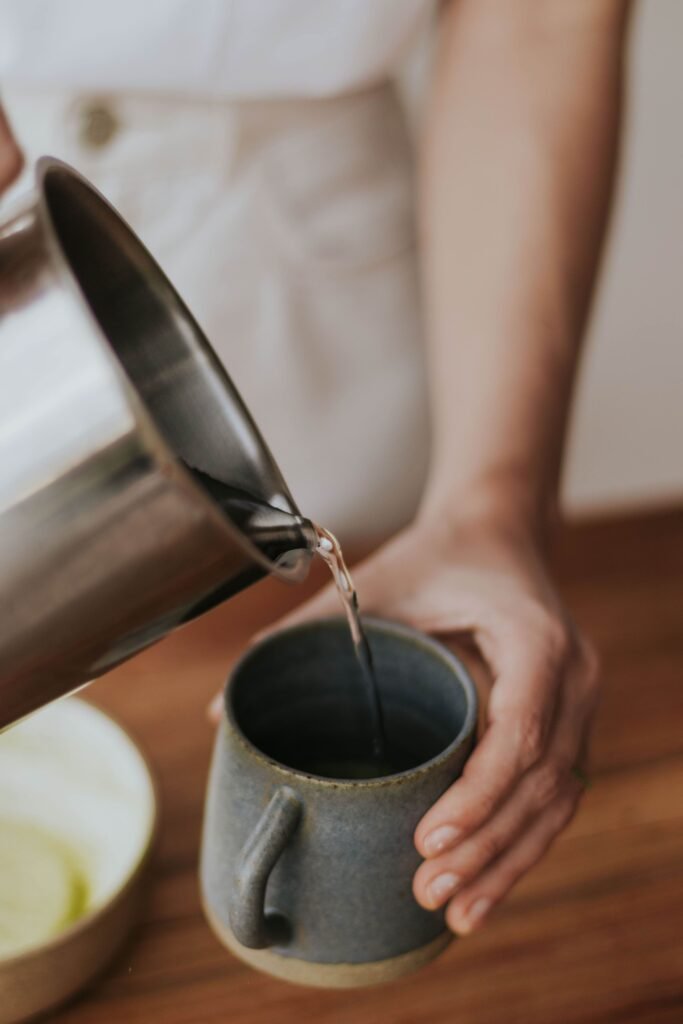
A warm mug can be comforting at the end of a quiet day. Still, the benefits of drinking hot water at night are more modest than many wellness articles suggest. Mostly, it helps with hydration and offers a caffeine-free choice, rather than acting as a special health remedy. Here, ‘hot water’ simply means water that is warm enough to enjoy, not so hot that it could burn you. Cleveland Clinic
What does the evidence say?
Many of the supposed benefits of drinking hot water at night come from staying hydrated, not from the water’s temperature or the time you drink it. According to the Cleveland Clinic, there is little research showing extra benefits of hot water compared to cooler water. Warm water is just one option, and you don’t have to drink it before bed. What matters most is whether your evening drink affects your sleep. Cleveland Clinic
4 Potential Benefits of Drinking Hot Water at Night
1. Helps You Stay Hydrated
Drinking hot water at night mainly helps you stay hydrated. The CDC says water helps control body temperature, protect your joints, and remove waste. Having a glass of hot water in the evening can help, but it doesn’t replace the water you should drink during the day. Drink it if you enjoy it, not because hotter water is better. CDC
2. Supports Bowel Regularity Through Hydration
When it comes to digestion, the main benefit of drinking hot water at night is simply getting enough fluids. The NIDDKexplains that water helps fiber do its job, leading to softer stools and easier bowel movements. Eating foods with fiber, like oats, fruit, and vegetables, can help too. A mug of hot water before bed is not a laxative and won’t guarantee relief by morning. If you still have constipation, it’s best to talk to your doctor instead of just drinking more or hotter water. NIDDK
3. May Soothe Some Cold Symptoms
There is only indirect evidence that drinking hot water at night helps with cold symptoms. A 2008 study with 30 people found that a hot fruit drink eased some symptoms like sore throat and cough, but did not improve nasal airflow. The study did not test plain water, so we can’t say if it would have helped. PubMed
4. Replaces Sugary or Caffeinated Drinks
Some benefits of drinking hot water at night depend on what you would have had instead. Choosing water over a sweetened drink lowers your calorie intake. Having hot water instead of coffee in the evening means you avoid caffeine, which the NHLBI says can affect you for up to 8 hours. The real benefit is skipping sugar and caffeine, not the warmth of the water itself. CDC
Can warm water help you sleep?
If you’re thinking about drinking hot water at night, remember to separate the comfort it brings from any real sleep benefits. You might enjoy a hot drink while reading in the evening, but that doesn’t mean it will cure insomnia. A calm evening can help you sleep, even without hot water. Try putting your phone away and keeping a regular bedtime before adding new habits. NHLBI, NIH
Drinking too much in the evening can cause you to wake up at night to use the bathroom, a condition called nocturia. MedlinePlus explains that these interruptions can disturb your sleep. It’s important to notice how your own habits affect you, instead of drinking a large mug just because someone recommends it. MedlinePlus.
Common Myths About Hot Water
Does it detox your body?
Claims that drinking hot water at night will ‘detox’ your body are often exaggerated. The NCCIH says there is no strong evidence that detox diets remove toxins or help with weight loss. Staying hydrated is important for your health, but that’s not the same as doing an overnight detox. NCCIH
Does it burn fat or boost immunity?
Drinking water before bed will not burn fat, boost your immunity, or improve circulation. There is no research showing these as specific benefits of hot water. While replacing a high-calorie drink with water can help you cut calories, heating the water does not make it a weight loss solution. Cleveland Clinic
How to Drink Warm Water Safely
Let It Cool First
You can enjoy hot water at night, but make sure it isn’t too hot. The IARC says that drinking very hot drinks (over 65°C or 149°F) is ‘probably carcinogenic’ because of links to esophageal cancer, so avoid drinking water that hot. There isn’t an exact safe temperature, so just let your drink cool to a comfortable warmth. NCBI
Move Your Drink Earlier When Needed
When it comes to drinking hot water at night, timing matters. The EAU suggests that people with nocturia should cut back on fluids in the two hours before bed. If you notice you need to use the bathroom at night, try drinking your fluids earlier in the day, but still make sure you stay hydrated. Uroweb Patients
Skip the Bedtime Quota
You don’t need to finish a set amount of water at night. How much you need depends on your health, activity, and the weather, so there’s no reason to force yourself to drink more before bed.
Who Should Be Careful?
If you have prescribed fluid limits, drinking hot water at night does not change them. Follow your clinician’s advice, and if you keep waking up at night to use the bathroom, ask for guidance. If you also have unusual thirst, burning when you urinate, or see blood in your urine, talk to your clinician. They can help you manage both how much and when you drink fluids. MedlinePlus
Frequently Asked Questions
Is warm water better than cold water?
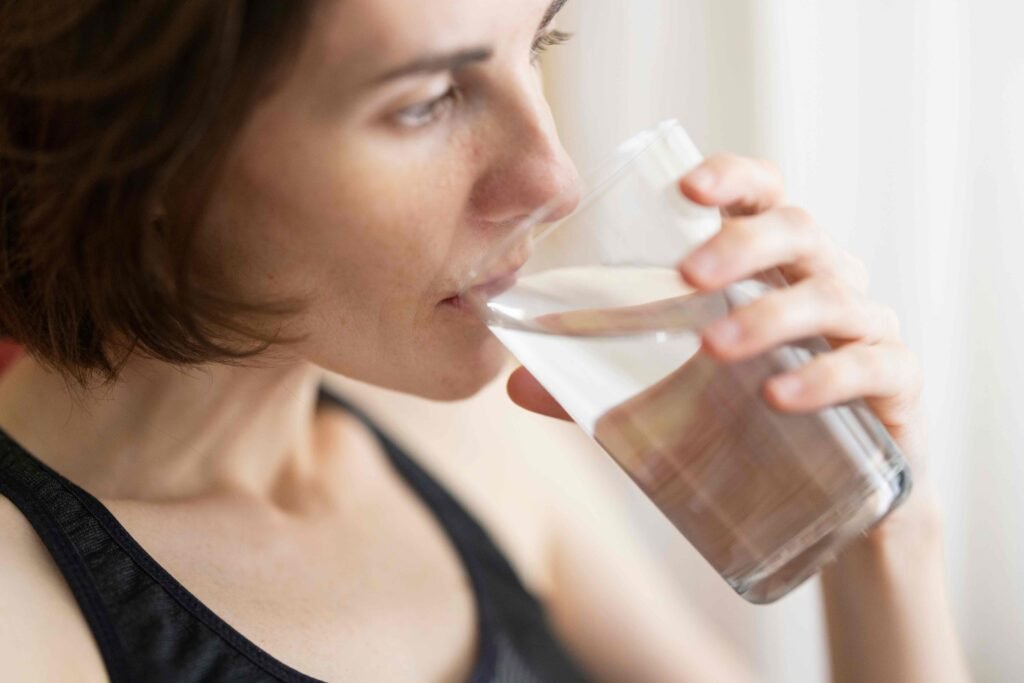
Drinking hot water at night does not mean cold water is unhealthy. Both are good for hydration, so choose whichever temperature you like best. Cleveland Clinic
Is morning or evening better?
There isn’t a single best time for everyone to drink water. Try to drink water regularly during the day, and adjust your evening habits if they affect your sleep. Having water with breakfast or lunch can help you remember, instead of waiting until bedtime. CDC
How much should you drink before bed?
There isn’t a set amount of water you need to drink before bed. Pay attention to your thirst, your total daily intake, and any medical advice you have. Remember, food and other drinks also add to your daily fluids. CDC
Final Thoughts
Drinking hot water at night can help with hydration, comfort, and replacing less healthy evening drinks. Keep your expectations realistic, let your water cool, and avoid letting it disrupt your sleep. This small habit should make your evening more pleasant, not make you feel pressured to drink more or wake up at night. CDC
Helpful Youtube Resource
For tips on staying hydrated, see the Mayo Clinic YouTube video:
References
- Cleveland Clinic: Are There Health Benefits to Drinking Hot Water?
- Centers for Disease Control and Prevention: About Water and Healthier Drinks
- National Institute of Diabetes and Digestive and Kidney Diseases:Eating, Diet, and Nutrition for Constipation and Bladder Control: Fluid Amount and Timing
- Sanu and Eccles, 2008, Rhinology:The Effects of a Hot Drink on Nasal Airflow and Symptoms of Common Cold and Flu
- National Heart, Lung, and Blood Institute: Healthy Sleep Habits
- MedlinePlus: Urinating More at Night
- National Center for Complementary and Integrative Health: Detoxes and Cleanses: What You Need to Know
- International Agency for Research on Cancer: Evaluation of Very Hot Beverages
- European Association of Urology: Self-Management of Nocturia Symptoms
- Mayo Clinic — YouTube: 7 Easy Tips to Drink More Water Every Day

Kevin Fletcher is a seasoned writer with over 10 years of experience crafting engaging and informative content in the health, fitness, and wellness industries. Passionate about helping readers live healthier lives, Kevin combines research-backed insights with practical tips to inspire positive change.