

Now Reading: Lavender Oil for Burns: Benefits, Uses, and Safety
-
01
Lavender Oil for Burns: Benefits, Uses, and Safety
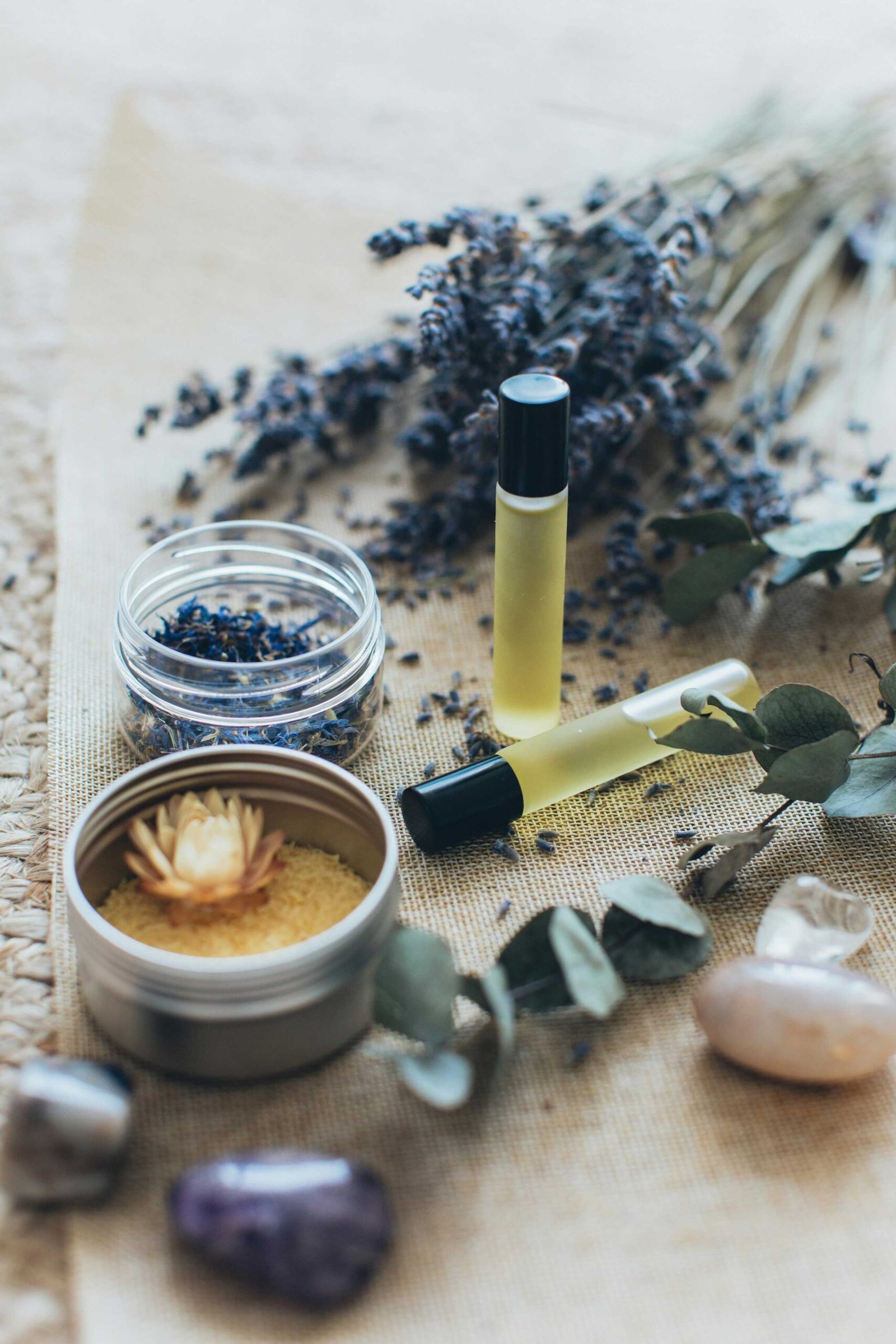
Burns are among the most common household injuries. Whether it’s a minor kitchen accident or mild sunburn, many people look for natural ways to soothe their skin. One remedy that often appears in discussions is lavender oil for burns. Known for its calming scent and skin-friendly properties, lavender oil has been used in traditional wellness practices for decades.
Many people believe that lavender oil for burns may help reduce discomfort and support skin recovery. While some research shows promising results, it’s important to understand how to use it safely and when professional medical care is necessary.
In this guide, you’ll learn about the history, science, benefits, and proper application of lavender oil for burns.
What Is Lavender Oil?
Lavender oil is an essential oil extracted from the flowers of the lavender plant (Lavandula angustifolia). It contains active compounds such as linalool and linalyl acetate, which contribute to its fragrance and potential therapeutic effects.
Today, lavender oil is commonly found in skincare products, aromatherapy blends, and natural wellness treatments. Many people use lavender oil for burns because of its soothing and moisturizing properties.
Why Lavender Oil Is Popular in Skin Care
Lavender oil is often included in creams, lotions, and body oils because it may help calm irritated skin. Its pleasant aroma also promotes relaxation, making it one of the most widely used essential oils worldwide.
The History of Lavender Oil for Burns
Rene Gattefosse’s Famous Burn Story
One of the best-known stories about lavender oil for burns comes from French chemist René-Maurice Gattefossé. According to historical accounts, he accidentally burned his hand while working in a laboratory and immersed it in lavender oil.
He later reported that the oil appeared to help his skin recover. This experience inspired his interest in aromatherapy and contributed to the popularity of lavender oil in natural healing practices.
Why This Story Still Matters Today
The story helped spark scientific curiosity about lavender oil and its effects on the skin. While anecdotal experiences are not scientific proof, they have encouraged researchers to study the potential benefits of lavender oil for burns more closely.
Is Lavender Oil Good for Burns?
Many people use lavender oil for burns because they believe it may support the body’s natural healing process.
May Help Soothe Minor Skin Irritation
Lavender oil contains compounds that may help calm irritated skin. This is one reason it is frequently used in skincare products designed for sensitive skin.
Supports Skin Healing
Some laboratory studies suggest that lavender oil may promote collagen production, which plays an important role in skin repair.
Provides Antioxidant Protection
Lavender oil contains antioxidant compounds that may help protect skin cells from oxidative stress.
Helps Keep Skin Moisturized
Dry skin can feel tight and uncomfortable after a mild burn. Diluted lavender oil for burns may help maintain moisture and improve comfort during recovery.
What Does Research Say About Lavender Oil for Burns?
Scientific evidence on lavender oil for burns remains limited, but several studies have produced encouraging results.
A study published in BMC Complementary Medicine and Therapies found that lavender oil increased collagen synthesis and accelerated wound closure in animal models. Researchers concluded that lavender oil may support tissue repair during the healing process.
Another review published by the National Institutes of Health highlighted lavender’s anti-inflammatory and antimicrobial properties, which may contribute to skin health.
However, experts emphasize that more human clinical trials are needed before making definitive conclusions.
How to Use Lavender Oil for Burns Safely
Using lavender oil for burns requires proper care and dilution.
Step 1: Cool the Burn Immediately
The American Academy of Dermatology recommends cooling a minor burn under cool running water for approximately 10 to 20 minutes.
Avoid applying ice directly to the skin because it can worsen tissue damage.
Step 2: Cover the Burn
After cooling the area, cover the burn with a sterile, non-stick bandage.
Step 3: Dilute Lavender Oil Properly
Never apply concentrated essential oils directly to damaged skin.
Mix a few drops of lavender oil with a carrier oil such as:
- Coconut oil
- Jojoba oil
- Sweet almond oil
A common dilution ratio is 2–3 drops of lavender oil per teaspoon of carrier oil.
Step 4: Apply Lavender Oil Carefully
Gently apply the diluted mixture around the affected area if the skin is intact. Avoid rubbing aggressively.
Many people use lavender oil for burns once or twice daily while monitoring skin response.
Step 5: Watch for Irritation
If redness, itching, swelling, or discomfort develops, stop using the product immediately.
Lavender Oil for Sunburn Relief
Sunburn is one of the most common reasons people try lavender oil for burns.
Why Sunburn Needs Special Care
Sunburn causes inflammation, redness, and skin sensitivity. Proper hydration and gentle skincare can help reduce discomfort.
How Lavender Oil May Help
Because lavender oil may have soothing properties, some people use it as part of a post-sunburn skincare routine.
DIY Lavender and Aloe Vera Cooling Gel
Ingredients
- 2 tablespoons pure aloe vera gel
- 2 drops lavender essential oil
Instructions
- Mix the ingredients thoroughly.
- Apply gently to sunburned skin.
- Store unused portions in the refrigerator.
This combination may provide a cooling sensation while helping keep the skin moisturized.
Lavender Oil and Other Essential Oils for Burns
Although lavender oil for burns remains one of the most popular options, other essential oils are also used in natural skincare.
Chamomile Oil
Often used for its calming properties.
Tea Tree Oil
Known for antimicrobial activity, though it should be used cautiously.
Peppermint Oil
It may provide a cooling sensation, but it can irritate sensitive skin.
St. John’s Wort Oil
Traditionally used in skin-supporting remedies.
Among these options, lavender oil for burns remains a favorite because it combines a gentle aroma with skin-soothing properties.
Risks and Safety Considerations
Even natural products can cause side effects.
Allergic Reactions
Some people experience skin sensitivity when using lavender oil.
Essential Oil Sensitivity
Essential oils are highly concentrated and should always be diluted.
Not Suitable for Severe Burns
Do not rely on lavender oil for burns if you experience:
- Deep burns
- Large burns
- Chemical burns
- Electrical burns
These situations require immediate medical attention.
When Should You See a Doctor?
Seek medical care if a burn:
- Covers a large area
- Appears white, black, or charred
- Shows signs of infection
- Occurs on the face, hands, feet, or genitals
Prompt treatment helps reduce complications and supports proper healing.
Final Thoughts on Lavender Oil for Burns
Many people use lavender oil for burns because of its soothing scent and potential skin-supporting properties. Research suggests lavender oil may help promote wound healing, support collagen production, and reduce inflammation.
However, lavender oil for burns should be used only on minor burns and always diluted. It should never replace proper medical care for serious injuries. By combining safe burn care practices with evidence-based treatments, you can help your skin recover more comfortably and effectively.
YouTube Resource
Dr. Josh Axe – Burn Care Tips
References
American Academy of Dermatology – Treating Minor Burns
https://www.aad.org
National Institutes of Health (NIH) – Lavender Overview
https://www.nccih.nih.gov/health/lavender
BMC Complementary Medicine and Therapies – Lavender and Wound Healing
https://bmccomplementmedtherapies.biomedcentral.com
Mayo Clinic – Burns: First Aid
https://www.mayoclinic.org/first-aid/first-aid-burns
Cleveland Clinic – Burn Treatment and Recovery
https://health.clevelandclinic.org

Kevin Fletcher is a seasoned writer with over 10 years of experience crafting engaging and informative content in the health, fitness, and wellness industries. Passionate about helping readers live healthier lives, Kevin combines research-backed insights with practical tips to inspire positive change.