
Now Reading: Sesame Seeds for Weight Loss: Benefits, Nutrition, and Best Ways to Eat Them
-
01
Sesame Seeds for Weight Loss: Benefits, Nutrition, and Best Ways to Eat Them
Sesame Seeds for Weight Loss: Benefits, Nutrition, and Best Ways to Eat Them

If you’re working on losing weight, you might have heard about superfoods that help with healthy eating. Sesame seeds are one ingredient that often gets overlooked. They’re small but full of fiber, protein, healthy fats, vitamins, and minerals that support your health.
Many people add sesame seeds to their diets for weight loss because they’re nutritious, easy to use, and fit well in many meals. While sesame seeds won’t make you lose weight by themselves, they can help you feel full longer and make it easier to choose healthy foods.
This article looks at how sesame seeds might help with weight loss, their nutrition benefits, the best ways to eat them, and what research says about their role in managing weight.

What Are Sesame Seeds?
Sesame seeds come from the sesame plant (Sesamum indicum), one of the oldest cultivated crops in the world. They are commonly available in white, black, and brown varieties and are used in cuisines across Asia, the Middle East, and the Mediterranean.
Sesame seeds are popular for weight loss because they have fiber, protein, and healthy fats. These nutrients help make meals more filling and can help reduce hunger during the day.
Nutritional Profile of Sesame Seeds
According to the U.S. Department of Agriculture (USDA), one ounce (28 grams) of sesame seeds provides approximately:
- 160 calories
- 5 grams of protein
- 3.5 grams of fiber
- 13 grams of healthy fats
- Calcium
- Magnesium
- Iron
- Zinc
- B vitamins
Because of these nutrients, sesame seeds have become a popular choice in healthy meal plans for weight loss.
Are Sesame Seeds Good for Weight Loss?
The answer is yes, as long as you eat them in moderation.
One reason sesame seeds can be beneficial for weight loss is their ability to increase satiety. Foods rich in fiber, protein, and healthy fats tend to keep you satisfied longer than highly processed snacks.
Feeling fuller can help you eat fewer calories overall and support your long-term weight goals.
Key Takeaways
- Rich in fiber
- Good source of plant protein
- Contains healthy fats
- Helps support fullness
- Easy to incorporate into meals
How Sesame Seeds for Weight Loss May Help
1. Good Source of Fiber
Fiber plays a major role in digestion and appetite control. It slows digestion and helps you feel full after meals.
One of the main benefits of sesame seeds for weight loss is their fiber. Eating more fiber can help you manage your appetite and improve digestion.
According to the Academy of Nutrition and Dietetics, most adults do not consume enough fiber daily, making fiber-rich foods an important part of a healthy diet.
2. Rich in Plant Protein
Protein is one of the most satisfying nutrients. It helps control hunger and supports muscle maintenance during weight loss.
The protein in sesame seeds can help make your meals more filling and satisfying.
3. Healthy Fats Improve Satiety
Many people mistakenly avoid fats when trying to lose weight. However, healthy fats help promote satisfaction and reduce cravings.
The unsaturated fats in sesame seeds help create balanced meals that keep hunger in check.
4. Helps You Stick to a Healthy Diet Plan
Successful weight management depends on consistency. Foods that taste good and add texture to meals are easier to eat regularly.
People like adding sesame seeds to their meals because they give a nice crunch and nutty flavor to healthy foods.
5. Supports Healthy Energy Levels
Unlike sugary snacks that may lead to energy crashes, sesame seeds provide a steady combination of protein, fat, and fiber.
This balance of nutrients is another reason why sesame seeds are becoming more popular with people who care about their health.
Nutritional Benefits of Sesame Seeds
May Help Lower Cholesterol and Triglycerides
Research suggests sesame seeds contain compounds that may support heart health by helping maintain healthy cholesterol levels.
According to studies available through PubMed, sesame consumption may have beneficial effects on cardiovascular health markers.
May Support Healthy Blood Pressure
Sesame seeds contain magnesium, a mineral that helps maintain healthy blood pressure.
Adding sesame seeds to your diet can give you health benefits that go beyond just weight management.
May Support Healthy Bones
Calcium, magnesium, and phosphorus are important for bone health. Sesame seeds have all three, so they’re a good addition to a balanced diet.
Rich in Antioxidants
Antioxidants protect your cells from damage. Sesame seeds have lignans and vitamin E, which are both antioxidants.
Good Source of B Vitamins
B vitamins help your body turn food into energy and support your overall health.
May Support Immune Function
Zinc and selenium in sesame seeds help your immune system work properly.
Sesame Seeds for Weight Loss and Appetite Control
Fiber and Fullness
Fiber absorbs water and expands in the digestive tract. This process helps create feelings of fullness after meals.
Many people add sesame seeds to their meals because they help make food more satisfying.
Protein and Hunger Management
Protein supports satiety hormones that help regulate appetite.
Adding sesame seeds to your meals may help you feel less tempted to snack often.
Healthy Fats and Satisfaction
Healthy fats take longer to digest than refined carbs. This means you stay full for a longer time.
Creative Ways to Eat Sesame Seeds for Weight Loss
Add Them to Smoothies
Blend sesame seeds into fruit smoothies for an extra nutritional boost.
Sprinkle on Salads
A tablespoon of sesame seeds adds crunch and flavor to salads.
Create Homemade Granola Bars
Mix sesame seeds with oats, nuts, and dried fruit.
Incorporate into Stir-Fries
Use sesame seeds as a topping for vegetable-based stir-fries.
Make Tahini
Tahini is a creamy spread made from ground sesame seeds and can be used in healthy dressings.
Bake with Them
Add sesame seeds to homemade bread, muffins, and crackers.
These easy ideas can help you enjoy adding sesame seeds to your meals for weight loss.
Easy Sesame Yogurt Bowl Recipe
Ingredients
- 1 cup Greek yogurt
- ½ cup mixed berries
- 1 tablespoon sesame seeds
Directions
- Place yogurt in a bowl.
- Add berries.
- Sprinkle sesame seeds on top.
- Serve immediately.
This snack gives you protein, fiber, and antioxidants all in one easy meal.
Are There Any Risks to Eating Sesame Seeds?
While sesame seeds can be good for weight loss, it’s important to eat them in moderation.
Sesame seeds are high in calories, so eating too many can add up quickly.
Some people may also have sesame allergies, which can be serious and require medical attention.
How Much Sesame Seeds Should You Eat Daily for Weight Loss?
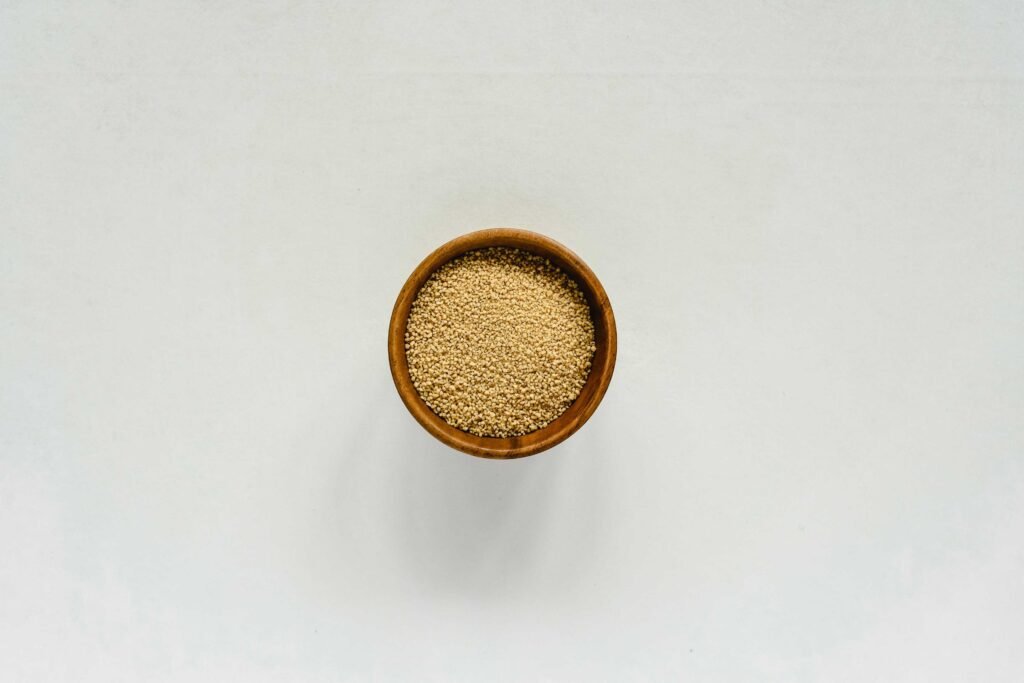
Most nutrition experts recommend about 1–2 tablespoons daily as part of a balanced diet.
This amount lets you get the benefits of sesame seeds without taking in too many calories.
It’s usually healthiest to choose natural, unsalted sesame seeds.
What Does Research Say About Sesame Seeds and Weight Management?
Research consistently shows that higher intakes of protein, fiber, and healthy fats can support appetite control and weight management.
According to the National Institutes of Health, nutrient-dense foods that promote fullness may help people maintain healthier eating patterns.
These findings help explain why more people are interested in using sesame seeds for weight loss as part of a healthy lifestyle.
Final Thoughts on Sesame Seeds for Weight Loss
It’s easy to see why sesame seeds are popular for weight loss. They’re small but packed with fiber, protein, healthy fats, and important nutrients that help you feel full and support your health.
Sesame seeds aren’t a magic fix for weight loss, but they can be a helpful part of a healthy diet. When you combine them with regular exercise, good sleep, and healthy habits, they may support your long-term wellness goals.
YouTube Resource
Here’s a helpful video:
References
U.S. Department of Agriculture (USDA)
https://fdc.nal.usda.gov/
National Institutes of Health (NIH)
https://www.nih.gov/
PubMed
https://pubmed.ncbi.nlm.nih.gov/
Academy of Nutrition and Dietetics
https://www.eatright.org/

Kevin Fletcher is a seasoned writer with over 10 years of experience crafting engaging and informative content in the health, fitness, and wellness industries. Passionate about helping readers live healthier lives, Kevin combines research-backed insights with practical tips to inspire positive change.