
Now Reading: Better Sleep Position for Your Heart: Simple Guide
-
01
Better Sleep Position for Your Heart: Simple Guide

Introduction
Sleep does more than give you rest. It’s when your body, including your heart, gets a chance to recover. Most people pay attention to how many hours they sleep, but not as much to their sleep position. The way you sleep can affect your breathing, blood flow, and heart health.
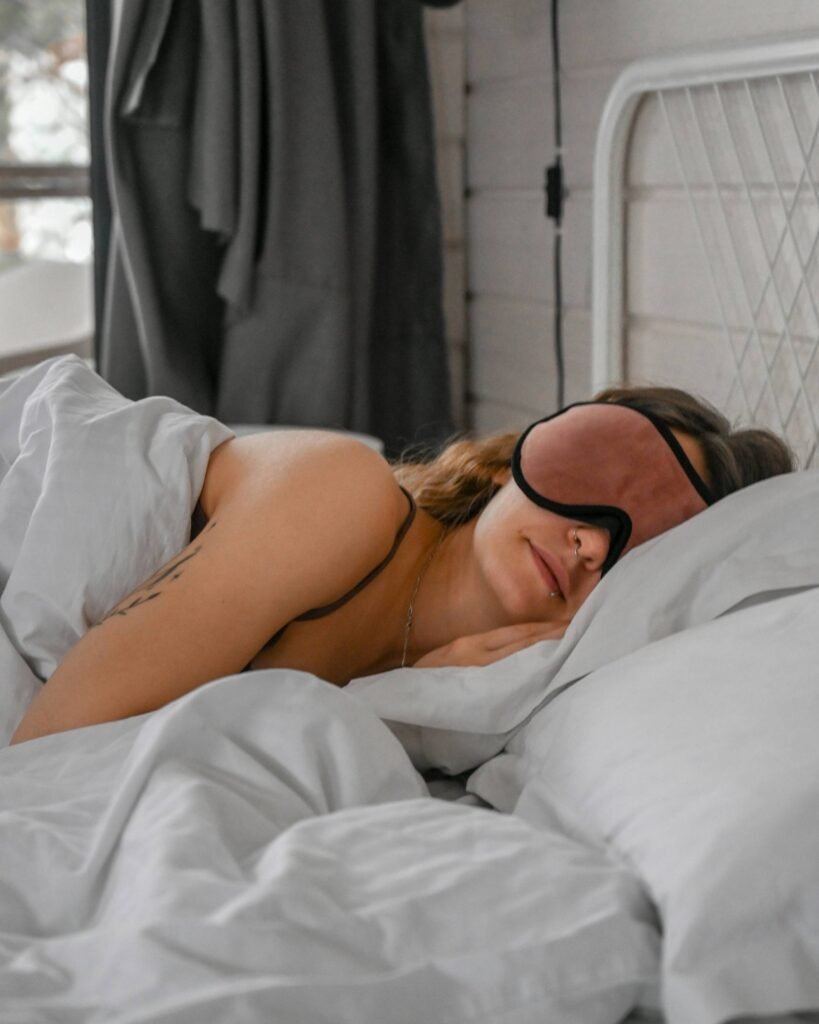
Choosing the right sleep position for your heart can really help. The Centers for Disease Control and Prevention (CDC) says adults should get at least 7 hours of sleep each night for heart health and overall wellness. When you pair enough sleep with a good position, your heart benefits even more.
Why Sleep Matters for Heart Health
Your heart works nonstop, so sleep gives it time to recover. When you reach deep sleep, your heart rate slows and your blood pressure goes down. This helps take stress off your heart and blood vessels.
Not getting enough good sleep can hurt your heart. The American Heart Association reports that people with poor sleep habits have a 20–30% higher risk of heart disease. Not sleeping well can also raise your chances of high blood pressure, obesity, and diabetes.
Picking a better sleep position is an easy way to help your heart. It helps your blood flow well and takes extra strain off your body.
How Your Sleep Position Affects Your Heart
The way you sleep changes how your body works at night. It can affect your breathing, blood flow, and how much pressure your organs feel.
For example, lying on your back can block your airway for some people. Sleeping on your stomach can press on your chest. But sleeping on your side can help your heart pump blood better.
The best sleep position for your heart depends on your body and health. Still, research shows some positions are better than others.
Better Sleep Position for Your Heart (Best Options Explained)
Sleeping on Your Left Side (Most Recommended)
Sleeping on your left side is often seen as the best position for your heart. In this position, gravity helps blood flow back to your heart more easily.
It also takes pressure off major blood vessels and helps your body drain fluids. Many doctors suggest this position, especially for pregnant women or people with acid reflux.
Sleeping this way can boost your circulation and help your heart work better. If you want to make a simple change, try sleeping on your left side.
Sleeping on Your Right Side (When It Helps)
Sleeping on your right side can also be good for your heart in some cases. It might lower pressure on your heart, especially for people with certain heart problems.
Some studies suggest that people with heart failure may feel better when sleeping on their right side. But everyone is different.
Pay attention to how your body feels. If sleeping on your right side is more comfortable, it could be the best choice for you.
Sleeping on Your Back (Neutral but Risky for Some)
Sleeping on your back keeps your spine straight and can be comfortable. But it’s not always the best position for your heart.
This position can worsen snoring and sleep apnea. According to the National Heart, Lung, and Blood Institute, sleep apnea is linked to high blood pressure and heart disease.
If you like sleeping on your back, try raising your head a little to help you breathe better.
Sleeping on Your Stomach (Least Recommended)
Sleeping on your stomach is usually not good for your heart. It puts pressure on your chest and makes it harder to breathe.
This position can also strain your neck and back. Over time, it can lower your sleep quality and may affect your heart health.
If you usually sleep on your stomach, try slowly switching to sleeping on your side for better results.
Best Sleep Position for People with Heart Conditions
If you have a heart condition, picking the right sleep position is even more important. People with heart failure, high blood pressure, or irregular heartbeat may notice their symptoms change depending on how they sleep.
Sleeping on your side with your upper body raised a bit can take pressure off your heart. Extra pillows or an adjustable bed can help with this.
Always check with your doctor before making big changes. Everyone’s condition is different, and your doctor can help you find the safest option.
Signs Your Sleep Position May Be Affecting Your Heart
Your body often lets you know when something isn’t right. Look out for these signs:
- Shortness of breath at night
- Chest discomfort while lying down
- Frequent waking or poor sleep
- Loud snoring or gasping
If you notice these symptoms, your sleep position might not be right for your heart. Making small changes can often help you feel better.
Simple Tips to Improve Your Sleep Position
Getting better sleep doesn’t have to be hard. Here are a few easy steps:
- Use a supportive pillow to keep your neck aligned.
- Try sleeping on your side with a pillow between your knees.
- Elevate your upper body slightly.
- Avoid alcohol before bedtime.
These tips can help you find a better sleep position for your heart without much trouble.
Other Habits That Support Heart-Healthy Sleep
Your sleep position matters, but your habits play a big role too. A healthy routine supports both your sleep and your heart.
Try to go to bed at the same time every night. Exercise regularly, but skip hard workouts right before bed. Cut back on caffeine and screen time in the evening.
The National Institutes of Health (NIH) found that keeping a regular sleep schedule helps your heart. When you add the right sleep position, these habits can really make a difference.

When to Talk to a Doctor
Sometimes, sleep problems need a doctor’s help. If you keep having trouble, don’t ignore it.
Talk to a doctor if you experience:
- Chronic insomnia
- Symptoms of sleep apnea
- Ongoing chest discomfort
- Severe fatigue
A healthcare professional can help you find the best sleep position for your heart based on your health needs.
Conclusion
Your sleep position may seem like a small detail, but it can have a big effect on your heart. Choosing the better sleep position for your heart can improve circulation, support breathing, and reduce strain on your body.
For most people, sleeping on the left side is best. But comfort and your own health matter too. Listen to your body and make changes slowly.
Better sleep starts with simple steps. When you sleep well, your heart stays stronger, and your overall health improves.
YouTube Resource (From a Trusted Source)
Here’s a helpful video from TED-Ed :
References
- Centers for Disease Control and Prevention (CDC)
https://www.cdc.gov/sleep/about_sleep/how_much_sleep.html - American Heart Association
https://www.heart.org - National Heart, Lung, and Blood Institute
https://www.nhlbi.nih.gov - National Institutes of Health (NIH)
https://www.nih.gov

Kevin Fletcher is a seasoned writer with over 10 years of experience crafting engaging and informative content in the health, fitness, and wellness industries. Passionate about helping readers live healthier lives, Kevin combines research-backed insights with practical tips to inspire positive change.