
Now Reading: Exercise Routines for Stress Relief: Simple Ways to Calm Your Mind and Body
-
01
Exercise Routines for Stress Relief: Simple Ways to Calm Your Mind and Body
Stress has become a daily companion for many people. Work pressure, family responsibilities, financial worries, and constant screen time can slowly wear down both the mind and body. One of the most effective and natural ways to manage this pressure is through exercise routines for stress relief. Regular movement helps release tension, improves mood, and restores emotional balance.
In this article, you will learn how exercise routines for stress relief work, why they are effective, and which routines you can easily add to your daily life. The goal is to keep everything simple, practical, and human—so you can actually stick with it.
How Stress Affects the Body and Mind
Stress is not just “in your head.” It creates real physical changes in the body. When you feel stressed, your body releases cortisol and adrenaline. These hormones prepare you for danger, but constant activation causes harm over time.
According to the American Psychological Association (APA), long-term stress increases the risk of anxiety, depression, heart disease, and sleep disorders (APA, 2023). Chronic stress can also weaken the immune system and increase muscle tension.
This is where exercise routines for stress relief play a powerful role. Movement helps regulate stress hormones and supports mental clarity.
Why Exercise Routines for Stress Relief Work
Exercise is not only about fitness or weight loss. It directly supports mental health in several ways.
Reduces Stress Hormones
Physical activity lowers cortisol levels. At the same time, it increases endorphins—chemicals in the brain that improve mood and reduce pain.
A study published in the Journal of Clinical Psychiatry found that people who exercised regularly reported a 43% reduction in days of poor mental health compared to inactive individuals (Chekroud et al., 2018).
Improves Sleep Quality
Stress often disrupts sleep. Gentle exercise routines for stress relief, especially earlier in the day, help regulate sleep cycles and promote deeper rest.
Builds Emotional Resilience
Regular movement builds confidence and emotional strength. When you follow structured exercise routines for stress relief, you create a sense of control during stressful times.
Best Exercise Routines for Stress Relief
Not all workouts need to be intense. In fact, some of the best exercise routines for stress relief are gentle, slow, and mindful.
Walking: The Simplest Stress-Relief Exercise
Walking is one of the most accessible exercise routines for stress relief. You do not need equipment, training, or a gym membership.
Benefits of Walking for Stress
- Lowers anxiety levels
- Improves blood circulation
- Encourages mindfulness
- Reduces muscle tension
According to Harvard Medical School, a 30-minute walk can significantly reduce symptoms of anxiety and mild depression (Harvard Health, 2022).
How to Practice Stress-Relief Walking
- Walk at a comfortable pace
- Focus on your breathing
- Avoid distractions like phones
- Walk in nature when possible
This simple routine makes walking one of the most sustainable exercise routines for stress relief.
Yoga: Mind-Body Balance for Stress Relief
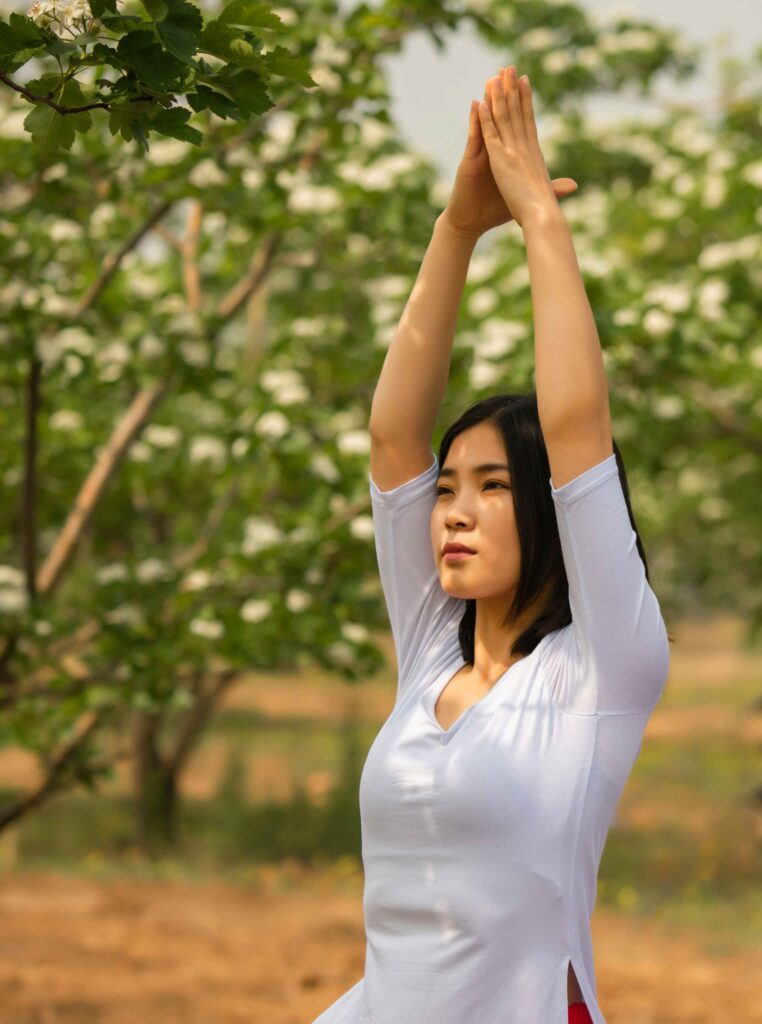
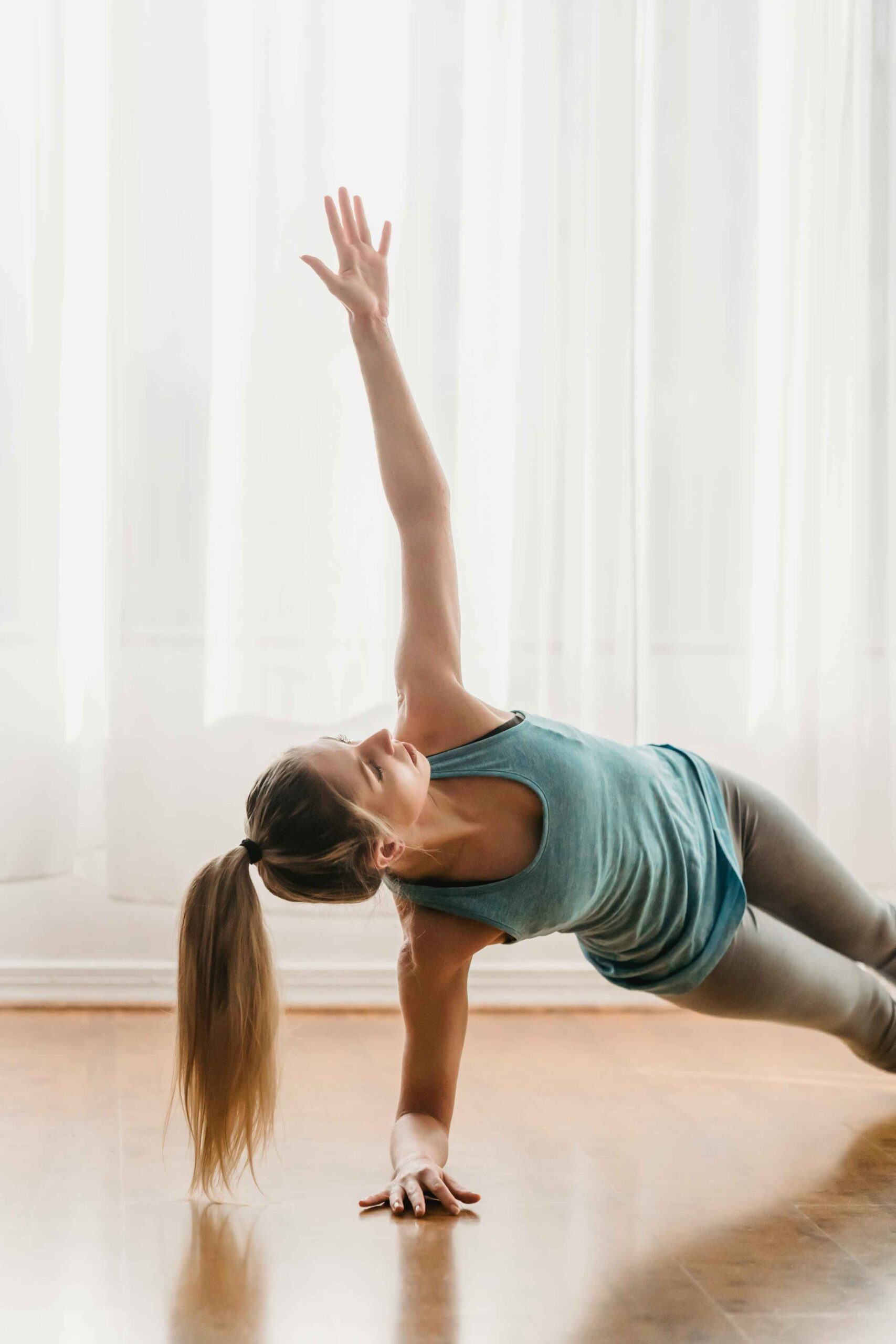
Yoga combines movement, breathing, and awareness. This makes it one of the most effective exercise routines for stress relief.
Why Yoga Helps Reduce Stress
Yoga activates the parasympathetic nervous system, which helps the body relax. Slow poses and deep breathing reduce heart rate and calm racing thoughts.
A study in Frontiers in Psychiatry found that yoga reduced stress and anxiety symptoms by over 30% in participants practicing twice a week (Pascoe et al., 2020).
Beginner-Friendly Yoga Poses
- Child’s Pose
- Cat-Cow Stretch
- Forward Fold
- Legs Up the Wall
Practicing yoga even 15 minutes a day strengthens its role as a core exercise routine for stress relief.
Strength Training for Stress Relief
Many people overlook strength training when discussing exercise routines for stress relief, but it can be very effective.
How Strength Training Reduces Stress
- Improves self-esteem
- Releases endorphins
- Reduces muscle tension
- Enhances focus
According to the Anxiety and Depression Association of America (ADAA), resistance training helps reduce anxiety sensitivity and improves emotional regulation (ADAA, 2021).
Simple Strength Routine
- Bodyweight squats
- Wall push-ups
- Resistance band exercises
- Light dumbbells
Even two sessions per week can make strength training a reliable exercise routine for stress relief.
Breathing-Based Exercise Routines for Stress Relief
Breathing exercises are often combined with movement for maximum benefit.
Why Breathing Matters
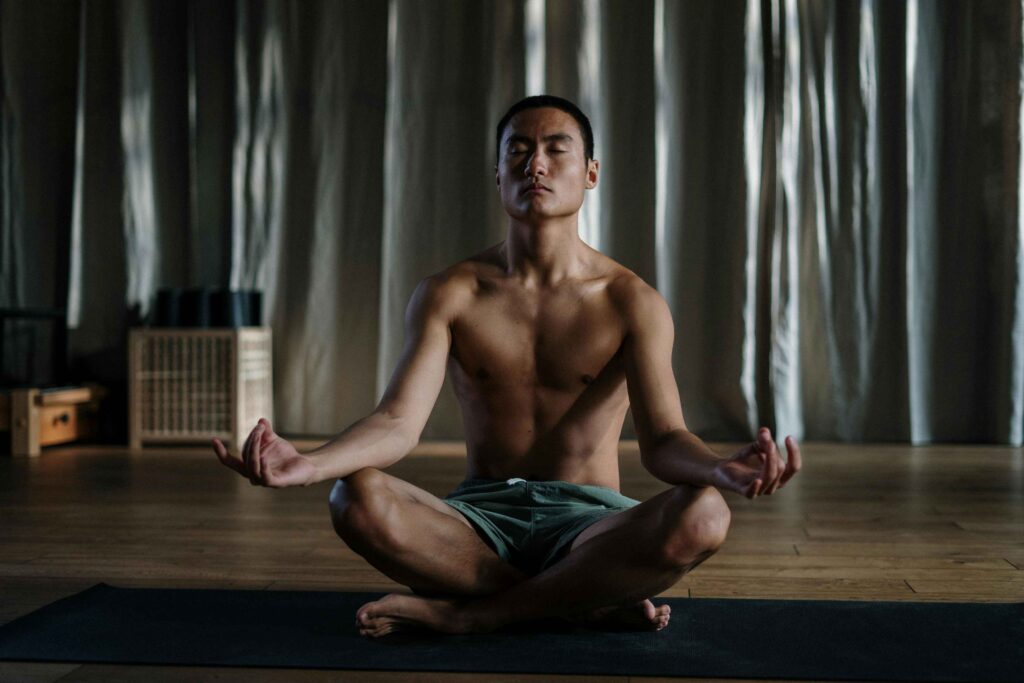
Stress causes shallow breathing. Controlled breathing sends signals to the brain that the body is safe.
Effective Breathing Exercises
- Diaphragmatic breathing
- 4-7-8 breathing
- Box breathing
When paired with light movement, these breathing-focused exercise routines for stress relief calm the nervous system quickly.
Dance and Free Movement
Dancing is one of the most joyful exercise routines for stress relief. It allows emotional expression without rules or pressure.
Benefits of Dancing
- Improves mood
- Releases emotional tension
- Boosts creativity
- Reduces social stress
Research published in The Arts in Psychotherapy showed that dance movement therapy significantly reduced stress and depression levels (Koch et al., 2019).
You do not need to be “good” at dancing. Moving freely makes this one of the most enjoyable exercise routines for stress relief.
How Often Should You Exercise for Stress Relief?
Consistency matters more than intensity.
Recommended Frequency
- 20–30 minutes per day
- At least 4–5 days per week
- Mix gentle and moderate routines
The World Health Organization (WHO) recommends at least 150 minutes of moderate physical activity per week for mental and physical health benefits (WHO, 2020).
Following this guidance helps maintain effective exercise routines for stress relief long term.
Tips to Stick With Exercise Routines for Stress Relief
Starting is easy. Staying consistent is the real challenge.
Keep It Simple
Choose routines you enjoy. Complicated plans often increase stress instead of reducing it.
Focus on How You Feel
Pay attention to mental clarity, improved sleep, and emotional balance. These benefits reinforce exercise routines for stress relief.
Remove Pressure
You do not need perfection. Even short sessions count.
Final Thoughts on Exercise Routines for Stress Relief
Stress is unavoidable, but suffering does not have to be. Exercise routines for stress relief offer a natural, affordable, and effective way to restore balance. Whether you walk, practice yoga, lift weights, or dance in your living room, movement helps your body release tension and your mind find peace.
The key is consistency, compassion, and simplicity. Choose exercise routines for stress relief that fit your life—not ones that add pressure. Over time, these routines can transform how you handle stress and improve your overall mental well-being.

Kevin Fletcher is a seasoned writer with over 10 years of experience crafting engaging and informative content in the health, fitness, and wellness industries. Passionate about helping readers live healthier lives, Kevin combines research-backed insights with practical tips to inspire positive change.