

Now Reading: Health Checkup for Men: 12 Important Tests by Age
-
01
Health Checkup for Men: 12 Important Tests by Age

You do not have to wait until you feel sick to see your doctor. Many health issues can develop without obvious signs, so preventive care matters even when you feel fine. Regular checkups can spot risks early and help you make good choices for your health.
The tests you need depend on your age, family history, lifestyle, past results, and any medical conditions. Instead of running every possible blood test, a good checkup focuses on the screenings that fit your needs.
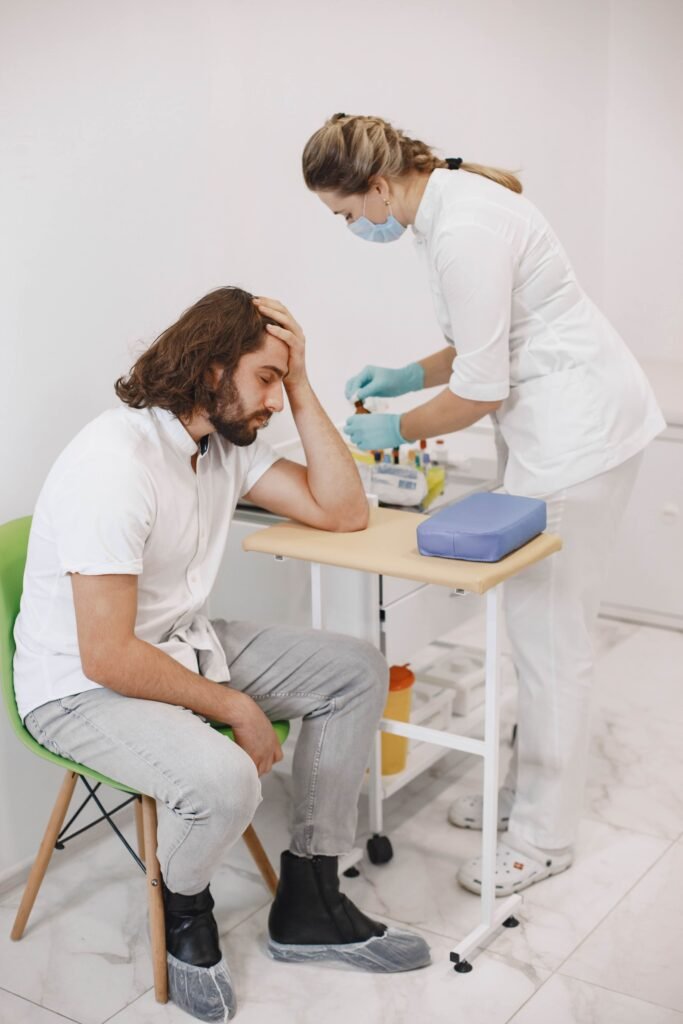
Why Is a Regular Health Checkup for Men Important?
High blood pressure shows why preventive screening is important. It often has no clear signs or symptoms, but it raises the risk of heart disease and stroke. The CDC says nearly half of U.S. adults have high blood pressure.
A men’s health checkup is also a chance to talk about exercise, nutrition, sleep, weight, vaccines, sexual health, smoking, alcohol, stress, anxiety, and depression.
What Happens During a Men’s Health Checkup?
Your doctor will usually start by asking about your medical and family history, any medicines you take, and any new symptoms. They will also check your blood pressure, weight, and height.
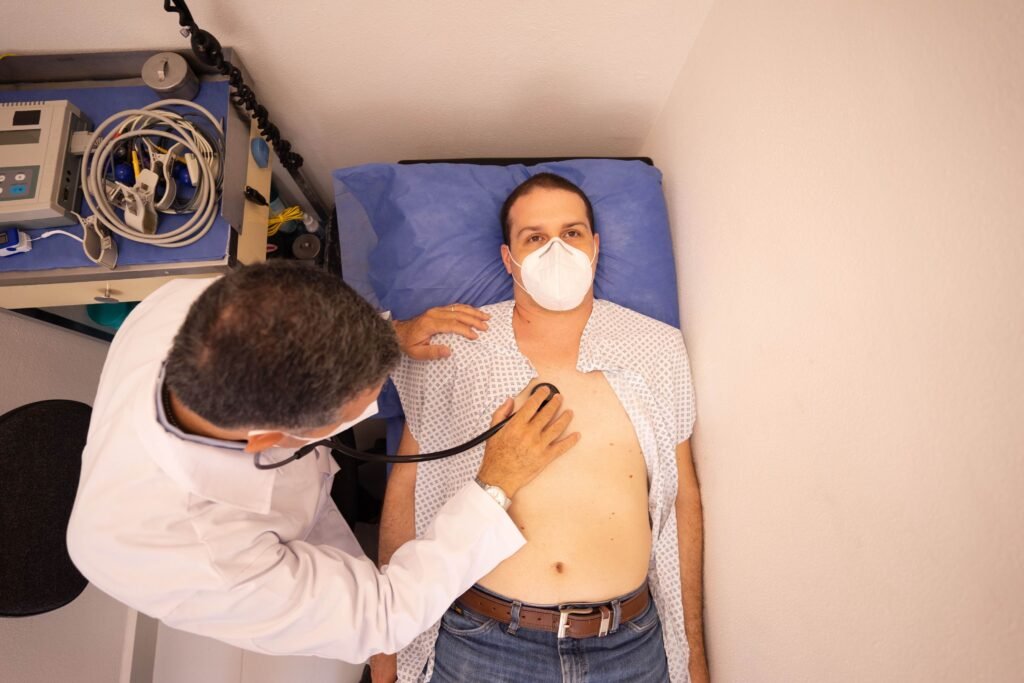
Your doctor may listen to your heart and lungs, and talk with you about your diet, exercise, mental health, vaccines, and which screenings you might need.
A men’s health checkup does not mean you need lots of lab tests. Your doctor should choose tests based on your age, symptoms, past results, and personal risk.
12 Important Tests and Screenings for Men
1. Blood Pressure
Checking your blood pressure is simple but very important. The U.S. Preventive Services Task Force (USPSTF)recommends that all adults 18 and older get screened for high blood pressure.
If your blood pressure is high at the clinic, your doctor may check it again outside the office before deciding if you have high blood pressure.
2. Cholesterol
A cholesterol or lipid test measures things like total cholesterol, LDL, HDL, and triglycerides.
These numbers help your doctor understand your heart health risk. How often you need cholesterol tests depends on your age, past results, smoking, diabetes, blood pressure, and family history.
3. Blood Glucose and Diabetes
Diabetes can start before you notice any symptoms. Blood glucose and HbA1c tests are often used to find diabetes or prediabetes.
The USPSTF recommends that adults aged 35 to 70 who are overweight or obese get screened for prediabetes and type 2 diabetes. Some people with extra risk factors may need to start testing sooner.
4. Weight and BMI
Weight and body mass index (BMI) are often checked during a men’s health visit. These can show possible weight-related health risks, but BMI alone does not tell the whole story about your health.
Doctors may also look at your waist size, activity level, blood pressure, blood sugar, and other risk factors.
5. Colorectal Cancer Screening
You do not have to wait until you are 50 to talk about colorectal cancer screening.
For most adults, the USPSTF recommends starting colorectal cancer screening at age 45 and continuing until 75. You can choose between stool tests or colonoscopy, and each has its own schedule.
If you have certain family histories or medical conditions, you may need to start screening earlier.
6. Prostate Cancer Screening
The PSA blood test is used for prostate cancer screening, but not every man needs it every year.
For men aged 55 to 69, the USPSTF suggests making a personal decision about PSA screening after talking with your doctor about the pros and cons.
Your own health and family history can affect this decision.
7. Skin Health
Watch for new or changing moles, unusual growths, or sores that do not heal.
It is important to check for suspicious skin changes, but there is not enough evidence to recommend routine skin cancer screening for everyone without symptoms. Your own risk, like sun exposure and family history, is important.
8. STI and HIV Testing
Sexual health is an important part of a complete men’s health checkup.
Testing for HIV and other sexually transmitted infections like syphilis, gonorrhea, and chlamydia depends on your age, sexual history, and risk. Your doctor can help you decide which tests you need and how often.
9. Mental Health Screening
Physical measurements are just one part of your health. Your checkup is also a good time to talk about ongoing sadness, anxiety, stress, trouble sleeping, or substance use.
The USPSTF recommends screening adults for depression when there are systems in place to make sure people get the right diagnosis, treatment, and follow-up.
10. Abdominal Aortic Aneurysm
An abdominal aortic aneurysm (AAA) is when the main artery in your belly becomes enlarged.
The USPSTF recommends a one-time ultrasound for men aged 65 to 75 who have ever smoked. If you have never smoked, your doctor will consider your personal risk before recommending screening.
11. Hepatitis C
Hepatitis C can harm your liver over time and often does not cause clear symptoms.
The USPSTF recommends that adults aged 18 to 79 get screened for hepatitis C. If you have ongoing risk factors, you may need to be screened more than once.
12. Dental and Eye Health
Remember to include your teeth and eyes when planning your preventive healthcare.
Regular dental visits can find tooth and gum problems, and eye exams can catch vision changes and some eye diseases. How often you need these checks depends on your age, symptoms, and conditions like diabetes.
Health Checkup for Men by Age
Your health needs change as you age. This guide can help you talk with your doctor about what matters most for you.
| Age | Health Checks to Discuss |
| 18–39 | Blood pressure, weight, mental health, sexual health/STIs, vaccinations, cholesterol and diabetes based on risk |
| 40–49 | Above + cardiovascular risk, appropriate diabetes screening and colorectal cancer screening from 45 |
| 50–64 | Above + continued colorectal screening and PSA discussion when appropriate |
| 65+ | Above + AAA screening when eligible, hearing/vision, fall risk and age-appropriate vaccinations |
These are general guidelines. Your family history and personal risk can affect when you need certain screenings.
Do Men Need Blood Tests Every Year?
Not always. Just because you have a yearly checkup does not mean you need a big set of blood tests every year if you are healthy.
Your doctor may order cholesterol, glucose, HbA1c, kidney, liver, or blood cell tests if needed. But tests like thyroid, vitamin D, vitamin B12, magnesium, cortisol, and large hormone panels are not always needed for healthy men.
A good men’s health checkup focuses on tests that match your real medical needs.
Should Men Get Their Testosterone Checked?
You do not need routine testosterone testing just because you are getting older.
Your doctor may suggest a testosterone test if you have symptoms or medical signs of low testosterone. These can include lower sex drive, erection problems, infertility, loss of body hair, or less muscle mass.
Feeling tired by itself does not mean your testosterone is low.
Heart and Mental Health Matter Too
A good men’s health checkup looks at more than just lab results. Blood pressure, cholesterol, blood sugar, smoking, activity, weight, and family history all help your doctor understand your heart risk.
Mental health is just as important. Ongoing stress, anxiety, depression, sleep problems, or more alcohol or drug use are real health issues. Talk about them at your appointment instead of waiting until they get worse.
How Often Should Men Have a Health Checkup?
There is no one-size-fits-all schedule for checkups.
How often you need a men’s health checkup depends on your age, health conditions, medicines, family history, lifestyle, and past results. If you have diabetes or high blood pressure, you may need more visits. Healthy younger adults may need fewer checkups.
Ask your primary care doctor how often you should come back, based on your own health needs.
How to Prepare for Your Checkup
Before your appointment, make a list of your medicines and supplements, and gather your family’s medical history. Bring any past test results you need, and jot down any symptoms or questions you want to talk about.
Do not be afraid to bring up sexual or mental health concerns. Your checkup works best when your doctor has a clear picture of your health and lifestyle.
Frequently Asked Questions
What Tests Should a Health Checkup for Men Include?
Blood pressure checks and screenings that fit your age are the basics. Tests for cholesterol, diabetes, cancer, infections, and more depend on your age and personal risk.
What Tests Should a 40-Year-Old Man Have?
Talk with your doctor about blood pressure, heart risk, cholesterol, diabetes risk, mental health, vaccines, and sexual health. Most people start colorectal cancer screening at age 45 if they are at average risk.
What Tests Should Men Have After 50?
Keep up with heart, diabetes, and colorectal cancer screenings as needed. PSA screening for prostate cancer should be a shared decision with your doctor, not something every man gets automatically.
Is a Health Checkup Necessary If I Feel Healthy?
Yes, preventive care is still important. Some conditions, like high blood pressure, may not cause symptoms, and the right screenings can catch problems or risks early.
Final Thoughts
A men’s health checkup is not about getting every possible blood test. Good preventive care means the right screenings, plus looking at your medical and family history, lifestyle, vaccines, and talking about your physical and mental health.
Use your checkup to learn about your own risks and make a plan for staying healthy with your doctor.
Helpful YouTube Resource
Here’s a helpful video:
References
1. U.S. Preventive Services Task Force — Hypertension in Adults: Screening
Recommendations for blood-pressure screening in adults.
https://www.uspreventiveservicestaskforce.org/uspstf/recommendation/hypertension-in-adults-screening
2. Centers for Disease Control and Prevention — High Blood Pressure
Information about hypertension, risk, prevention, and prevalence.
https://www.cdc.gov/high-blood-pressure/about/index.html
3. USPSTF — Prediabetes and Type 2 Diabetes: Screening
Recommendations for diabetes screening among adults aged 35–70 with overweight or obesity.
https://www.uspreventiveservicestaskforce.org/uspstf/recommendation/screening-for-prediabetes-and-type-2-diabetes
4. USPSTF — Colorectal Cancer: Screening
Recommendations for colorectal cancer screening in adults aged 45–75 and selective screening at older ages.
https://www.uspreventiveservicestaskforce.org/uspstf/recommendation/colorectal-cancer-screening
5. USPSTF — Prostate Cancer: Screening
Evidence and recommendations regarding PSA-based prostate cancer screening.
https://www.uspreventiveservicestaskforce.org/uspstf/recommendation/prostate-cancer-screening
6. USPSTF — Abdominal Aortic Aneurysm: Screening
Recommendations for one-time ultrasound screening in eligible older men.
https://www.uspreventiveservicestaskforce.org/uspstf/recommendation/abdominal-aortic-aneurysm-screening
7. USPSTF — Hepatitis C Virus Infection: Screening
Recommendations for hepatitis C screening among adults.
https://www.uspreventiveservicestaskforce.org/uspstf/recommendation/hepatitis-c-screening
8. USPSTF — Depression and Suicide Risk in Adults: Screening
Evidence and recommendations for depression screening in adults.
https://www.uspreventiveservicestaskforce.org/uspstf/recommendation/screening-depression-suicide-risk-adults

Kevin Fletcher is a seasoned writer with over 10 years of experience crafting engaging and informative content in the health, fitness, and wellness industries. Passionate about helping readers live healthier lives, Kevin combines research-backed insights with practical tips to inspire positive change.