
Now Reading: Ginger Oil for Hair: Benefits, Uses & Side Effects
-
01
Ginger Oil for Hair: Benefits, Uses & Side Effects
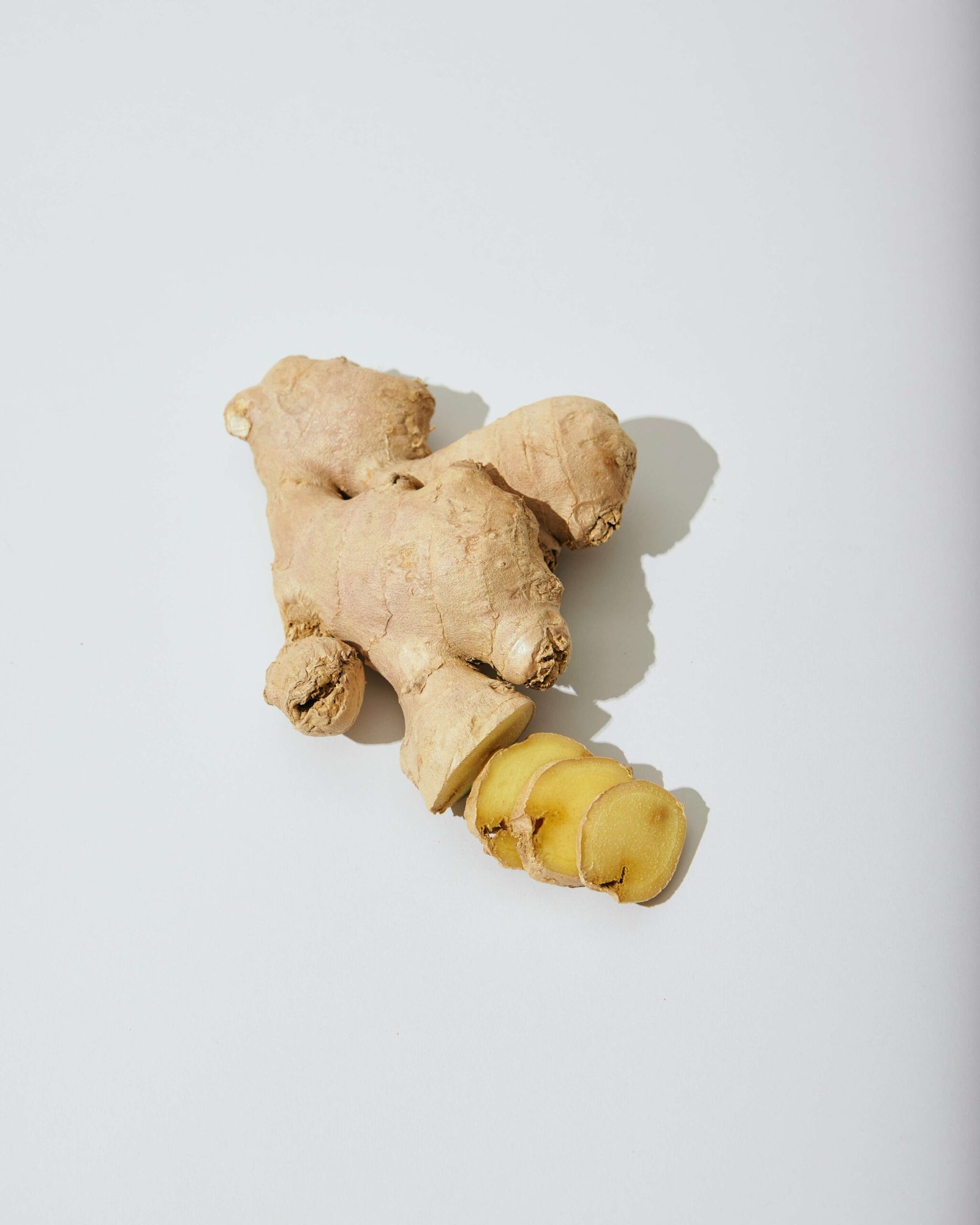
Natural hair care has become increasingly popular, and ginger oil for hair is one remedy that often appears in beauty blogs and social media. Known for its warm aroma and antioxidant-rich compounds, ginger oil has been used in traditional wellness practices for centuries. Many people believe it can improve scalp health, reduce dryness, and even encourage healthier-looking hair.
While ginger oil for hair offers several potential benefits, it’s important to distinguish between traditional beliefs and scientific evidence. Current research suggests that ginger oil may support a healthy scalp through its antioxidant and anti-inflammatory properties, but there is limited evidence that it directly stimulates hair growth. In fact, one laboratory study found that a compound in ginger, 6-gingerol, inhibited hair growth under experimental conditions. This article explores what science currently says about ginger oil for hair, how to use it safely, and what results you can realistically expect.
What Is Ginger Oil?
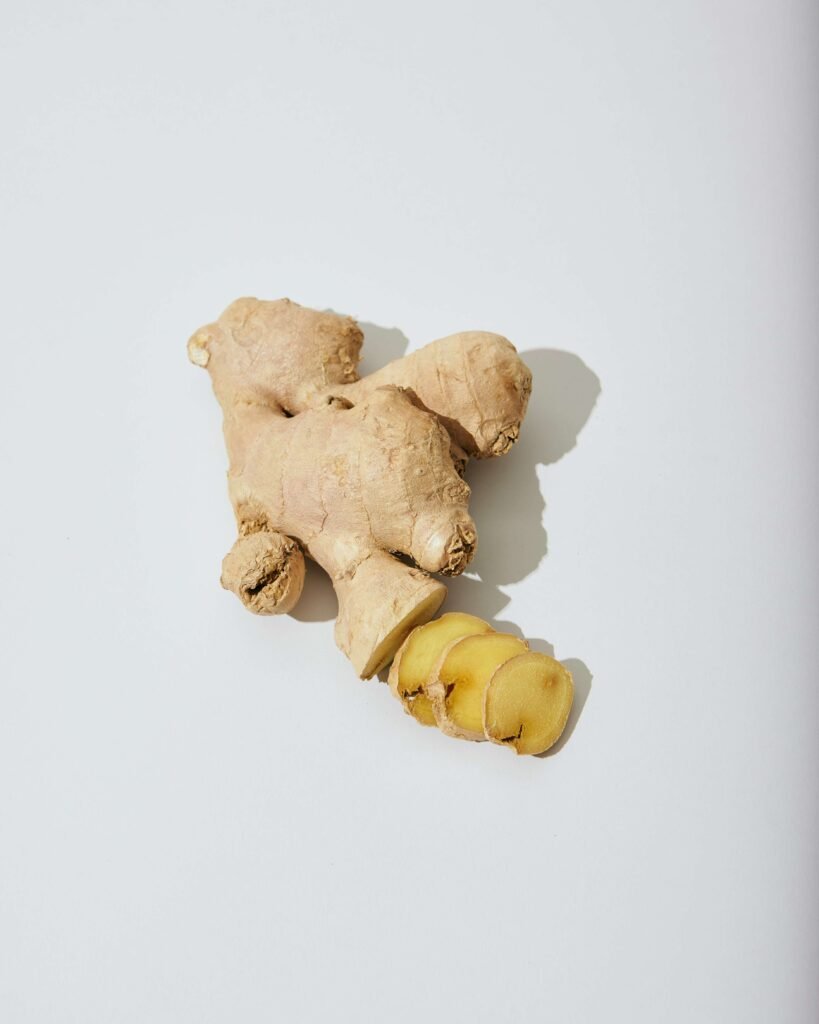
Understanding ginger oil for hair starts with understanding what it actually is. Ginger oil is extracted from the root (rhizome) of the ginger plant (Zingiber officinale). It contains naturally occurring compounds such as gingerol, shogaol, and zingiberene, which contribute to its aroma and biological activity.
There are two common forms available:
- Ginger essential oil, which is highly concentrated and should always be diluted before use.
- Ginger-infused oil, made by soaking ginger in a carrier oil such as coconut or olive oil.
For hair care, diluted ginger essential oil is more commonly used because only a few drops are needed.
Is Ginger Oil Good for Hair?
Many people wonder whether ginger oil for hair really works. The answer depends on what you’re expecting. If your goal is to improve scalp comfort, reduce dryness, or add shine to your hair, ginger oil for hair may be helpful.
However, if you’re hoping it will regrow hair or stop hair loss completely, current scientific evidence does not strongly support those claims.
According to the American Academy of Dermatology (AAD), losing 50 to 100 hairs each day is normal. Hair thinning can result from genetics, hormonal changes, nutritional deficiencies, stress, medications, or certain medical conditions—not just scalp care (https://www.aad.org).
Using ginger oil for hair as part of a healthy hair care routine may improve scalp condition, but it should not replace evidence-based treatments for significant hair loss.
7 Potential Benefits of Ginger Oil for Hair
1. May Support a Healthy Scalp
One of the most promising benefits of ginger oil for hair is its potential to support scalp health. Ginger contains compounds with anti-inflammatory properties that may help soothe minor scalp irritation.
A healthy scalp creates a better environment for hair to look healthy.
2. Rich in Antioxidants
Another advantage of ginger oil for hair is its antioxidant content. Antioxidants help protect cells from oxidative stress caused by free radicals.
According to the National Institutes of Health (NIH), antioxidants play an important role in protecting cells from oxidative damage (https://www.nih.gov).
3. May Help Reduce Scalp Dryness
Dry scalp can lead to itching and discomfort. When diluted with a carrier oil such as jojoba or coconut oil, ginger oil for hair may help moisturize the scalp and reduce dryness.
Regular scalp hydration may also improve the overall appearance of your hair.
4. May Improve Hair Appearance
Although ginger oil for hair has not been proven to increase hair growth, it may improve the appearance of your hair by reducing frizz and adding natural shine.
Healthy-looking hair often starts with proper moisture and gentle care.
5. Supports Relaxing Scalp Massage
Massaging your scalp with ginger oil for hair can be a relaxing self-care habit. Scalp massage helps distribute natural oils evenly throughout the hair and may temporarily improve scalp circulation.
While massage itself may support scalp health, more research is needed to determine its effect on long-term hair growth.
6. May Have Natural Antimicrobial Properties
Laboratory research suggests that ginger contains compounds with antimicrobial activity against certain microorganisms.
Although these findings are encouraging, ginger oil for hair should not be considered a treatment for scalp infections. If you have persistent itching, redness, or scaling, consult a healthcare professional.
7. Complements a Healthy Hair Care Routine
One of the greatest strengths of ginger oil for hair is that it complements other healthy habits. Pairing it with a balanced diet, gentle shampoo, regular conditioning, stress management, and good sleep supports overall hair health.
Healthy hair depends on much more than one ingredient alone.
Does Ginger Oil Help Hair Growth?
This is one of the most common questions about ginger oil for hair.
Traditionally, ginger has been used to promote hair growth. However, modern research tells a more complicated story. A 2013 laboratory study published in the International Journal of Molecular Sciences found that 6-gingerol, an active compound in ginger, actually inhibited hair shaft growth in cultured human hair follicles and mice.
Importantly, this research was conducted in laboratory settings—not in people using diluted ginger oil on their scalp. There are currently no large, high-quality clinical trials demonstrating the efficacy of ginger oil for hair growth in humans.
If your primary concern is hair thinning, treatments such as topical minoxidil have much stronger scientific evidence. Speak with a dermatologist to determine the underlying cause of hair loss.
How to Use Ginger Oil for Hair
Using ginger oil safely for hair is essential, as essential oils are highly concentrated.
Ginger Oil Scalp Massage
Mix 2–3 drops of ginger essential oil with one tablespoon of coconut, jojoba, or argan oil.
Massage gently into your scalp for five to ten minutes before washing your hair.
Add It to Shampoo
Add one or two drops of ginger oil for hair to the amount of shampoo you’ll use for a single wash rather than adding it directly to the bottle.
DIY Ginger Hair Mask
Combine:
- 1 tablespoon aloe vera gel
- 1 tablespoon coconut oil
- 2 drops ginger essential oil
Apply the mixture to your scalp for about 20 minutes before shampooing.
Hot Oil Treatment
Warm your chosen carrier oil slightly and mix in diluted ginger oil for hair. Massage your scalp and leave it on for 30–60 minutes before washing.
This treatment can be done once a week.
Possible Side Effects and Risks
Although many people tolerate ginger oil for hair well, some may experience side effects.
Possible reactions include:
- Skin irritation
- Burning sensation
- Redness
- Itching
- Allergic reactions
Never apply undiluted ginger essential oil directly to your scalp. Always dilute it with a carrier oil and perform a patch test 24 hours before first use.
Who Should Avoid Ginger Oil?
Avoid using ginger oil for hair if you have:
- A known ginger allergy
- Open wounds on the scalp
- Active eczema or psoriasis flare-ups
- Severe scalp irritation
Children and pregnant individuals should consult a healthcare provider before using essential oils.
How to Choose the Best Ginger Oil
For the best results, choose ginger oil for hair that is:
- 100% pure essential oil
- Free from synthetic fragrances
- Sold in a dark glass bottle
- Produced by a reputable manufacturer
- Clearly labeled with botanical information.
Quality products reduce the risk of contamination and ensure consistent composition.
Ginger Oil vs. Rosemary Oil for Hair
| Feature | Ginger Oil | Rosemary Oil |
| Primary Benefit | Scalp care | Hair thinning support |
| Hair Growth Evidence | Limited and conflicting | Stronger clinical evidence |
| Best Use | Massage and scalp comfort | Long-term hair care |
| Needs Dilution | Yes | Yes |
If hair growth is your main goal, rosemary oil currently has stronger human research evidence than ginger oil.
Frequently Asked Questions
Can ginger oil regrow hair?
There is currently no strong clinical evidence that ginger oil for hair regrows hair in humans.
How often should I use ginger oil for hair?
One or two applications per week are sufficient for most people.
Can I leave ginger oil on overnight?
It’s generally better to leave diluted ginger oil on for 30–60 minutes unless a healthcare professional advises otherwise.
Is ginger oil safe for colored hair?
Yes, when diluted properly, ginger oil for hair is generally safe for color-treated hair.
Can ginger oil reduce dandruff?
It may help soothe a dry scalp, but dandruff often requires medicated shampoos or professional treatment.
Final Thoughts
Using ginger oil for hair can be a pleasant addition to your hair care routine, especially if your goal is to improve scalp comfort, reduce dryness, and add natural shine. Its antioxidant and anti-inflammatory compounds make it an appealing natural ingredient for overall scalp wellness.
However, it’s important to have realistic expectations. Current scientific evidence does not support the claim that ginger oil for hair promotes hair growth, and some laboratory research suggests the opposite. If you’re experiencing ongoing hair thinning or excessive hair loss, consult a dermatologist to identify the underlying cause and discuss treatments with stronger clinical support.
Recommended YouTube Video
Here’s a tutorial on how to make ginger oil for hair growth:
References
- American Academy of Dermatology (AAD). Hair Loss: Diagnosis and Treatment. https://www.aad.org/public/diseases/hair-loss
- National Institutes of Health (NIH). https://www.nih.gov/
- National Center for Complementary and Integrative Health (NCCIH). https://www.nccih.nih.gov/
- Mayo Clinic. Hair Loss: Symptoms and Causes. https://www.mayoclinic.org/diseases-conditions/hair-loss
- Park GH, et al. 6-Gingerol Inhibits Hair Shaft Growth in Cultured Human Hair Follicles and Modulates Hair Growth in Mice. International Journal of Molecular Sciences. 2013. https://www.ncbi.nlm.nih.gov/pmc/articles/PMC3693614/

Kevin Fletcher is a seasoned writer with over 10 years of experience crafting engaging and informative content in the health, fitness, and wellness industries. Passionate about helping readers live healthier lives, Kevin combines research-backed insights with practical tips to inspire positive change.