
Now Reading: Mustard Oil Cooking Benefits: 10 Science-Backed Advantages
-
01
Mustard Oil Cooking Benefits: 10 Science-Backed Advantages
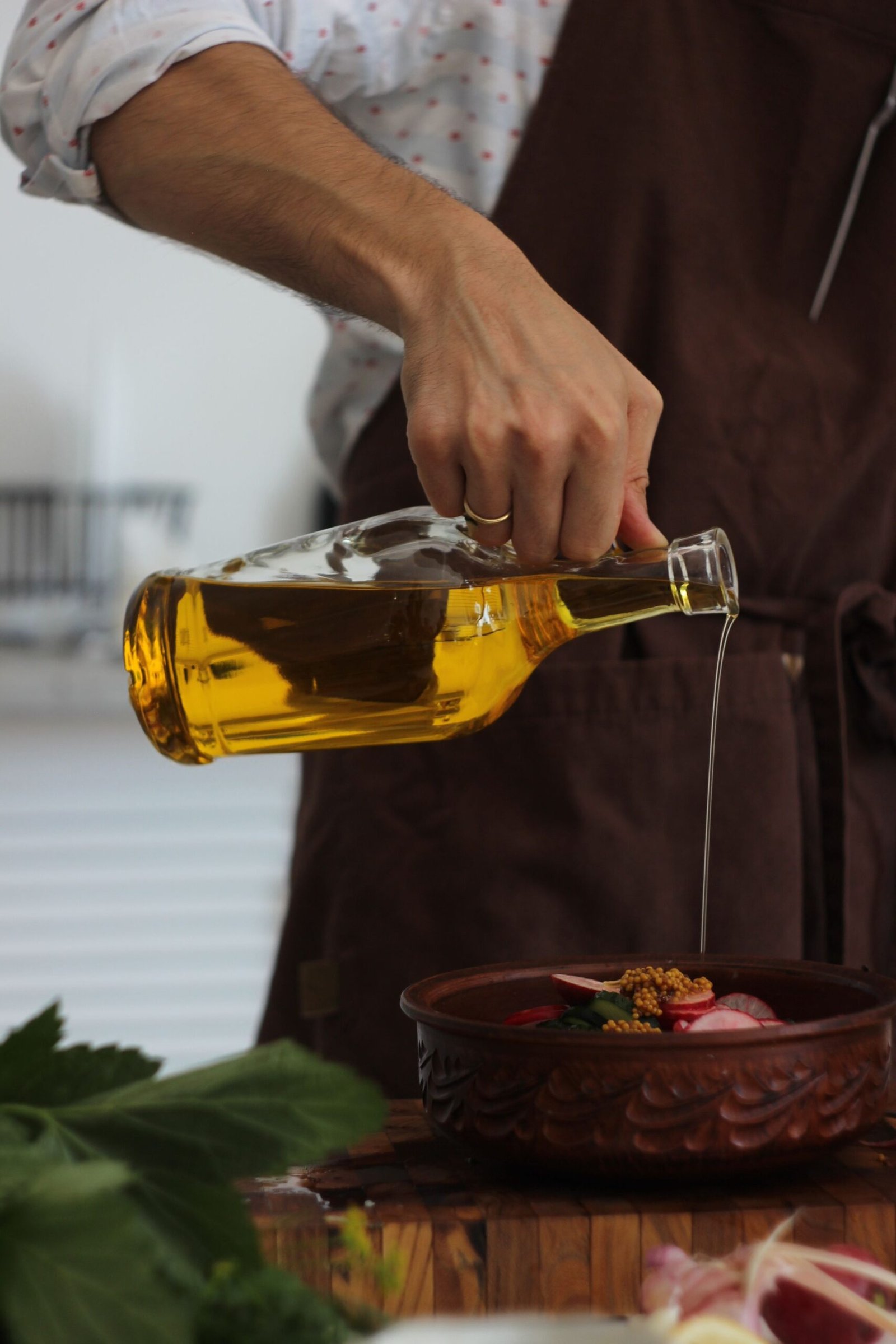
Mustard oil has been used in South Asian kitchens for generations. Its strong aroma, rich taste, and versatility make it popular for curries, stir-fries, and pickles. Many people are now interested in its health benefits, thanks to its healthy fats and antioxidants. While no cooking oil can promise perfect health, picking the right one can help you maintain a balanced diet.
Mustard oil’s benefits come from its unsaturated fats, vitamin E, and natural plant compounds. Studies suggest these nutrients may help your heart, lower oxidative stress, and make the oil stable for high-heat cooking. It’s best to use food-grade mustard oil in moderation as part of a healthy diet. This article covers the key benefits, safe ways to use mustard oil, and what research shows.

What Is Mustard Oil?
To understand the benefits of mustard oil, it helps to know what it is. Mustard oil comes from mustard seeds and is common in Indian, Bangladeshi, Nepalese, and Pakistani cooking. Its strong flavor gives many traditional dishes their unique taste.
There are two main types of mustard oil. Cold-pressed, or Kachi Ghani mustard oil, is made without much heat, so it keeps more of its natural nutrients and flavor. Refined mustard oil is processed more, which gives it a milder taste and a longer shelf life.
Thanks to its strong flavor and high smoke point, mustard oil works well for sautéing, stir-frying, and many traditional dishes.
Nutritional Profile of Mustard Oil
People often look into mustard oil’s benefits because of its nutrition. It is mostly made up of unsaturated fats, which are usually healthier than saturated fats if eaten in moderation.
Key nutrients include:
- Monounsaturated fatty acids (MUFAs)
- Polyunsaturated fatty acids (PUFAs)
- Omega-3 fatty acids
- Omega-6 fatty acids
- Vitamin E
- Natural antioxidants
According to the American Heart Association, replacing saturated fats with unsaturated fats may help support heart health when combined with an overall healthy diet (https://www.heart.org).
10 Mustard Oil Cooking Benefits
1. Rich in Heart-Healthy Unsaturated Fats
A major benefit of mustard oil is that it is high in monounsaturated and polyunsaturated fats. These healthy fats may help keep cholesterol levels normal when you use them instead of saturated fats like butter or ghee.
Remember that portion size still matters because all cooking oils are calorie-dense.
2. High Smoke Point Makes It Suitable for Cooking
Another key benefit of mustard oil is its high smoke point. Oils with higher smoke points stay stable when heated, so they are good for frying, roasting, and sautéing.
Avoid repeatedly reheating the same oil, as this can reduce its quality regardless of the oil type.
3. Naturally Contains Antioxidants
Mustard oil has vitamin E and other antioxidants that protect the oil from going bad. These antioxidants also help protect your body’s cells from damage caused by oxidative stress.
According to the National Institutes of Health (NIH), vitamin E plays an important role in protecting cells from damage caused by free radicals (https://ods.od.nih.gov/factsheets/VitaminE-Consumer/).
4. May Help Support Heart Health
One of the most studied benefits of mustard oil is its possible role in heart health. Diets high in unsaturated fats, along with regular exercise and lots of fruits and vegetables, have been linked to better heart health.
However, mustard oil alone cannot prevent heart disease, and it should never replace medical treatment.
5. Adds Bold Flavor Without Heavy Sauces
A practical benefit of mustard oil is its strong flavor. Just a little can add depth to vegetables, fish, lentils, and curries, so you don’t need to use heavy cream-based sauces.
This makes it easier to create flavorful meals using simple ingredients.
6. May Have Natural Antimicrobial Properties
Lab studies show that mustard oil has compounds that might fight germs. While this is promising, most of the evidence comes from lab research, not large studies in people.
Good food hygiene and proper cooking temperatures remain the most effective ways to reduce foodborne illness.
7. May Support Healthy Digestion
Traditional medicine has used mustard oil to help with digestion for a long time. While there isn’t much scientific proof yet, many people cook with mustard oil because they think it boosts appetite and helps digestion.
More high-quality human studies are needed before firm conclusions can be drawn.
8. May Help Reduce Inflammation
Healthy fats in your diet can help your body manage inflammation. Since mustard oil has omega-3 and omega-6 fatty acids, it can be part of a balanced diet that supports your overall health.
Keep in mind that reducing inflammation depends on your overall diet rather than any single ingredient.
9. Suitable for Traditional and Modern Recipes
Another benefit of mustard oil is that it’s very versatile. You can use it in many dishes, such as:
- Vegetable curries
- Fish recipes
- Lentil dishes
- Stir-fries
- Marinades
- Homemade pickles
You can also use a little cold-pressed mustard oil in salad dressings if you like its unique flavor.
10. Can Replace Less Healthy Cooking Fats
One practical benefit of mustard oil is that you can use it instead of solid fats. Switching from butter or shortening to mustard oil can help you eat healthier fats.
The Harvard T.H. Chan School of Public Health recommends emphasizing healthier unsaturated fats as part of a balanced eating pattern (https://nutritionsource.hsph.harvard.edu).
How to Cook with Mustard Oil Safely
To get the most out of mustard oil, it’s important to use it the right way.
Heat It Properly
Many traditional cooks heat mustard oil until it just starts to smoke, then let it cool a bit before adding other ingredients. This helps mellow its strong flavor.
Avoid overheating or repeatedly reusing cooking oil.
Best Dishes
Mustard oil works especially well in:
- Fish curry
- Mixed vegetable stir-fries
- Lentil soup
- Pickles
- Potato dishes
- Grilled vegetables
Use in Moderation
Like other cooking oils, mustard oil is high in calories. Use it in moderation to help meet your healthy eating goals.
Cold-Pressed vs Refined Mustard Oil
| Feature | Cold-Pressed | Refined |
| Flavor | Strong | Mild |
| Processing | Minimal | Highly processed |
| Best Uses | Traditional cooking, dressings | High-heat cooking |
| Nutrient Retention | Generally higher | Slightly lower |
If you want the strongest flavor, cold-pressed mustard oil is usually the best choice.
Are There Any Risks of Cooking with Mustard Oil?
While talking about the benefits of mustard oil, it’s also important to mention some possible concerns.
Mustard oil naturally contains erucic acid. Regulations regarding edible mustard oil vary by country, so always purchase food-grade mustard oil from a reputable manufacturer.
People with mustard allergies should avoid it completely.
If you have questions about including mustard oil in your diet, consult a registered dietitian or healthcare provider.
Tips for Buying Quality Mustard Oil
Choose mustard oil that is:
- Clearly labeled as food-grade
- Cold-pressed if possible
- Packaged in a dark bottle
- Free from artificial additives
- Purchased from trusted brands
Fresh mustard oil should smell clean and sharp, with no signs of being spoiled.

Frequently Asked Questions
Is mustard oil safe for everyday cooking?
Food-grade mustard oil can be part of a balanced diet when used in moderation and in accordance with local food regulations.
Does mustard oil have a high smoke point?
Yes. Its relatively high smoke point makes it suitable for many cooking methods, including frying and sautéing.
Which foods taste best with mustard oil?
Fish, vegetables, lentils, curries, pickles, and stir-fries pair especially well with mustard oil.
Is cold-pressed mustard oil healthier?
Cold-pressed mustard oil generally retains more natural compounds because it undergoes less processing.
Can mustard oil replace vegetable oil?
Yes. Many people use mustard oil instead of other vegetable oils to add flavor and increase their intake of unsaturated fats.
Final Thoughts
More people are interested in mustard oil because choosing healthier cooking fats matters. Mustard oil gives you unsaturated fats, vitamin E, natural antioxidants, and a bold flavor that works well in both traditional and modern recipes.
Even though mustard oil has many benefits, no cooking oil can guarantee perfect health. The best results come from using good oils in moderation and eating a balanced diet with plenty of fruits, vegetables, whole grains, lean proteins, and staying active.
Recommended YouTube Video
Here’s a helpful video:
References
- American Heart Association. Healthy Eating Recommendations. https://www.heart.org
- Harvard T.H. Chan School of Public Health. The Nutrition Source – Fats and Cholesterol. https://nutritionsource.hsph.harvard.edu
- National Institutes of Health (NIH). Vitamin E Fact Sheet for Consumers. https://ods.od.nih.gov/factsheets/VitaminE-Consumer/
- World Health Organization (WHO). Healthy Diet Fact Sheet. https://www.who.int/news-room/fact-sheets/detail/healthy-diet
- Food and Agriculture Organization (FAO). Fats and Fatty Acids in Human Nutrition. https://www.fao.org/

Kevin Fletcher is a seasoned writer with over 10 years of experience crafting engaging and informative content in the health, fitness, and wellness industries. Passionate about helping readers live healthier lives, Kevin combines research-backed insights with practical tips to inspire positive change.