
Now Reading: Meditation for Stress and Depression: A Gentle, Science-Backed Approach
-
01
Meditation for Stress and Depression: A Gentle, Science-Backed Approach
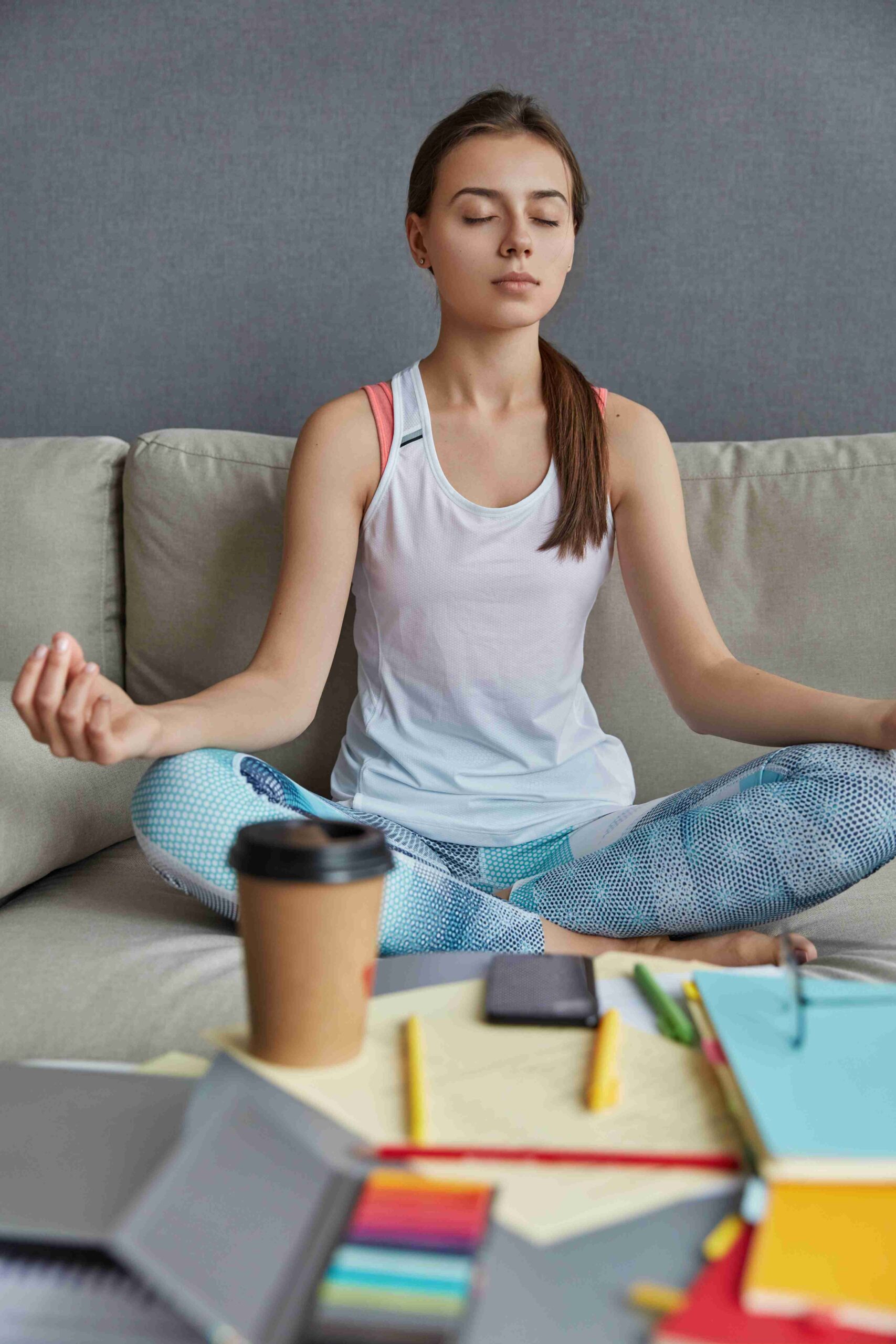
Millions of people worldwide experience stress and depression. Busy work schedules, emotional strain, trauma, and nonstop digital distractions can make it hard to cope. As a result, many seek natural ways to feel calmer and more balanced.
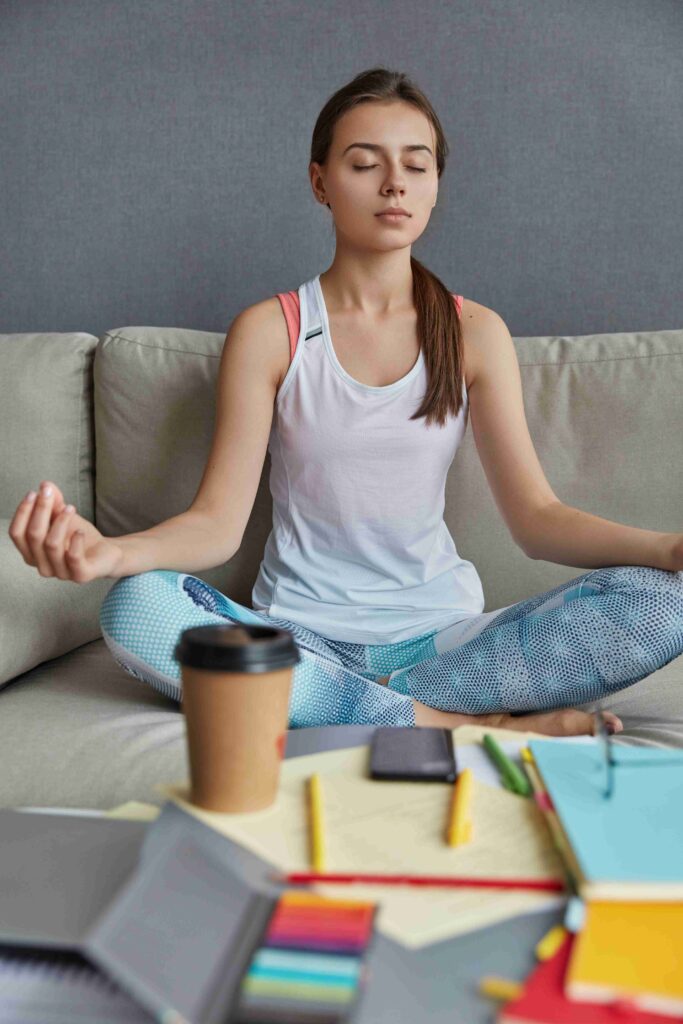
Meditation is a simple and accessible way to support mental health during stress and depression. While it is not a substitute for therapy or medication, it can help lower emotional intensity, relax the nervous system, and boost self-awareness. Studies show that meditation can help people handle daily challenges with greater clarity and compassion.
Understanding Stress and Depression
Stress is how the body responds to pressure. While short-term stress can be useful, ongoing stress keeps the body on high alert. Over time, this can harm mood, sleep, focus, and the immune system.
Depression can develop when stress lasts too long and feels overwhelming. The American Psychological Association says that chronic stress raises the risk of anxiety disorders and depression
(APA).
Common Symptoms of Stress and Depression
Stress and depression impact both the mind and body. Emotional symptoms often include worry, irritability, low motivation, and overthinking. Physical symptoms can be fatigue, tense muscles, headaches, and trouble sleeping.
Meditation helps with stress and depression by easing mental overload and bringing your focus back to the present.
How Meditation Helps with Stress and Depression
Meditation calms the nervous system and helps reduce the body’s stress response. It lowers cortisol, the stress hormone, and activates the body’s natural rest and recovery mode.
A large review published in JAMA Internal Medicine found that mindfulness meditation significantly reduces stress, anxiety, and depressive symptoms
(JAMA).
Practicing meditation regularly helps people respond to their emotions thoughtfully, rather than reacting without thinking.
Meditation and Brain Health
Brain imaging studies show that meditation increases gray matter in areas responsible for emotional regulation and self-control. At the same time, it reduces activity in the amygdala, the brain’s fear center.
Researchers at Harvard Medical School report that mindfulness meditation can physically change brain structure linked to stress and depression
(Harvard).
Best Meditation Techniques for Stress and Depression
Different techniques work for different people. Below are the most effective forms of meditation for stress and depression, supported by research.
Mindfulness Meditation
Mindfulness meditation is about paying attention to the present moment. You notice your thoughts, feelings, and sensations without judging them.
This technique helps reduce rumination, which is a core feature of depression. Mindfulness meditation is one of the most researched forms of meditation for stress and depression and works well for beginners.
Loving-Kindness Meditation
Loving-kindness meditation helps you develop compassion for yourself and others. It can be especially useful if you struggle with self-criticism or feeling emotionally numb.
A study in Psychological Science found that loving-kindness meditation increases positive emotions and emotional resilience
(source).
Progressive Muscle Relaxation
This method involves tightening and then relaxing different muscle groups. It helps release physical tension caused by stress and anxiety.
Progressive muscle relaxation works well alongside meditation for stress and depression when physical symptoms like restlessness or muscle pain are present.
Breathing Techniques for Stress Relief
Focusing on your breath during meditation can quickly calm your nervous system.
Diaphragmatic Breathing
Breathing slowly and deeply helps your body get more oxygen and lowers your heart rate.
Box Breathing
Box breathing helps balance your breathing and can quickly reduce stress.
Alternate Nostril Breathing
Alternate nostril breathing can help you feel more emotionally balanced and clear-headed.
Controlled breathing strengthens the effectiveness of meditation for stress and depression.
Body Scan Meditation
Body scan meditation means slowly paying attention to sensations from your head down to your toes. This practice helps you become more aware of your body and feel more grounded emotionally.
Studies show body scan meditation helps reduce stress-related insomnia and depressive symptoms
(NIH).
Meditation Practices for Daily Life
Meditation does not need to happen only on a cushion. You can integrate meditation for stress and depression into daily activities.
Mindful Walking
Mindful walking mixes gentle movement with being aware of your surroundings. It’s a good option if you find it hard to sit still or feel restless during regular meditation.
Mindful Communication
Mindful listening and speaking reduce emotional reactivity. This practice supports healthier relationships and lowers stress levels.
Getting Started with Meditation
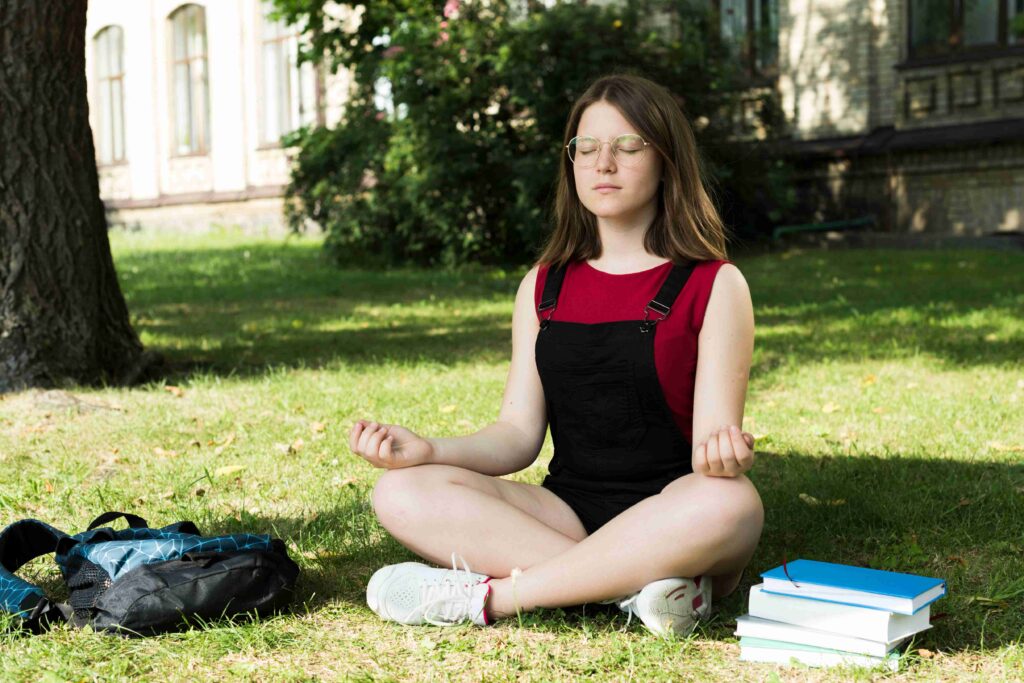
Starting meditation does not require perfection. Small steps matter more than long sessions.
Try starting with just 5 to 10 minutes each day. Pick a quiet spot and focus on being consistent. With time, meditation for stress and depression will feel easier and more natural.
Overcoming Common Challenges
Many people worry they are “doing meditation wrong.” Restlessness and wandering thoughts are normal.
Meditation can still help with stress and depression, even if your mind feels busy. The goal is to notice your thoughts, not to control them.
Helpful Tools and Resources
Using guided support can make meditation feel easier.
Popular meditation apps include Insight Timer, Headspace, and UCLA Mindful
(UCLA Mindful).
Trusted YouTube Resource
Harvard University provides a clear introduction to mindfulness meditation:
Final Thoughts
Meditation is a gentle way to support emotional healing from stress and depression. It can help you become more aware, lower your stress, and build stronger coping skills over time.
Meditation for stress and depression can be powerful, but it’s most effective when combined with therapy, healthy habits, and professional help if needed.
References
- American Psychological Association – Stress and Health
https://www.apa.org/topics/stress/health - JAMA Internal Medicine – Mindfulness Meditation Study
https://jamanetwork.com/journals/jamainternalmedicine/fullarticle/1809754 - Harvard Health – Meditation and Depression
https://www.health.harvard.edu/mind-and-mood/how-meditation-helps-with-depression - NIH – Mindfulness and Mental Health
https://www.ncbi.nlm.nih.gov/pmc/articles/PMC3679190/ - Psychological Science – Loving-Kindness Meditation
https://journals.sagepub.com/doi/10.1111/j.1467-9280.2008.02086.x

Kevin Fletcher is a seasoned writer with over 10 years of experience crafting engaging and informative content in the health, fitness, and wellness industries. Passionate about helping readers live healthier lives, Kevin combines research-backed insights with practical tips to inspire positive change.