
Now Reading: Aromatherapy for Depression: A Natural Way to Lift Your Mood
-
01
Aromatherapy for Depression: A Natural Way to Lift Your Mood
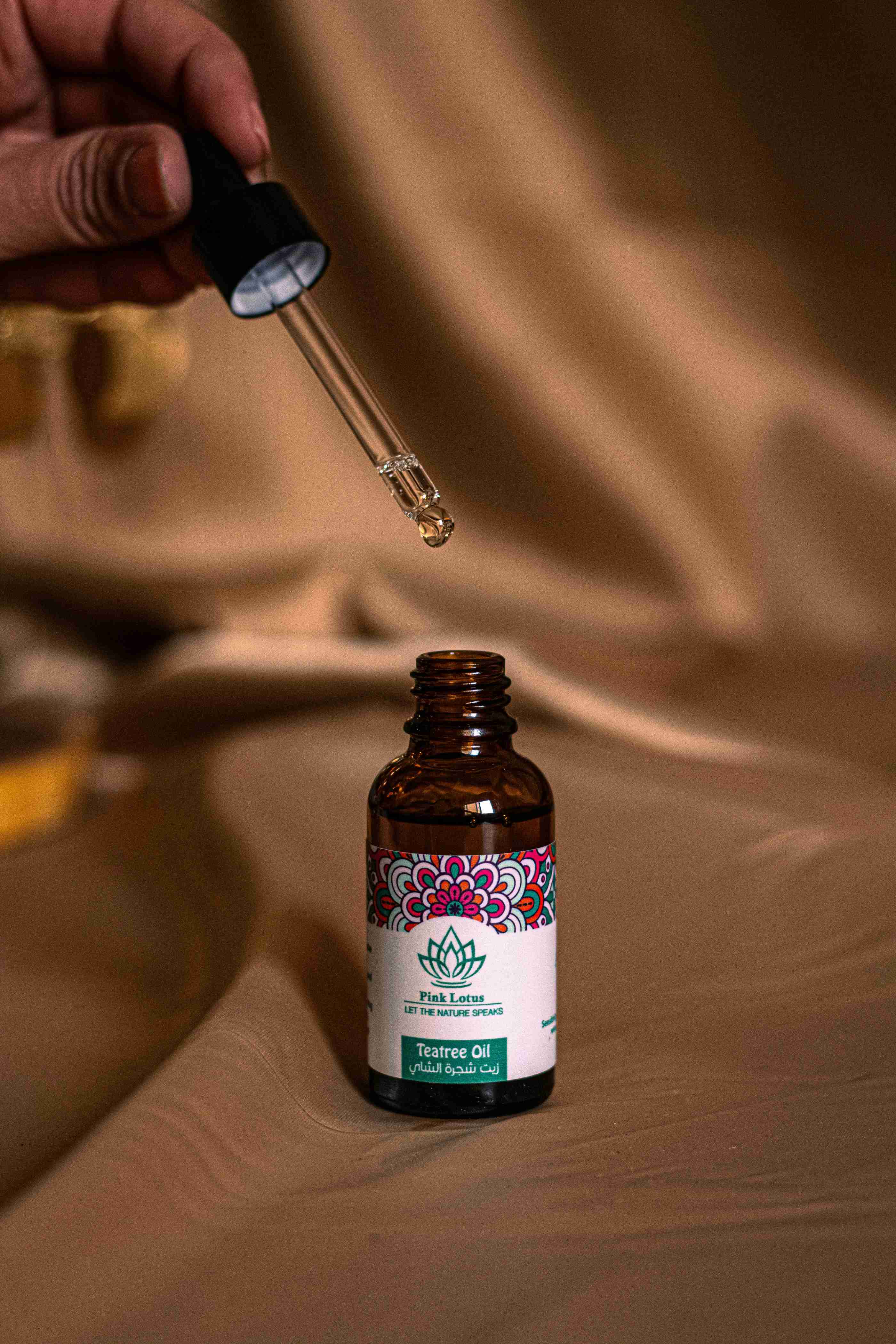
Depression affects millions of people worldwide, and its impact can feel overwhelming. While traditional treatments like therapy and medication play an important role, many people also look for natural ways to support their emotional well-being. One growing approach is aromatherapy for depression, a gentle and holistic method that uses essential oils to improve mood, reduce stress, and promote relaxation.
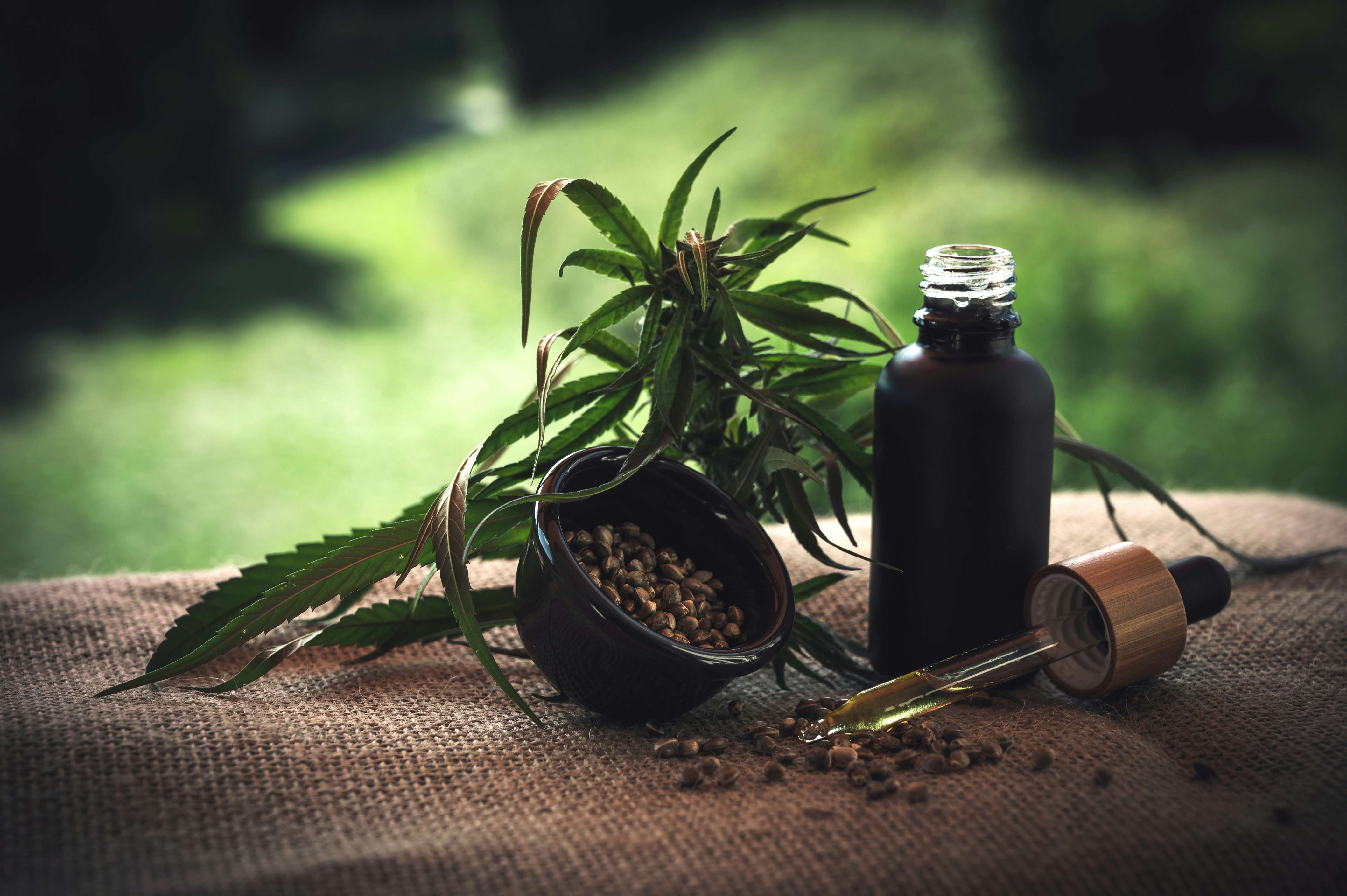
In this article, we will explore how aromatherapy works, which essential oils help with depressive symptoms, and how you can safely use aromatherapy for depression as part of your wellness routine.
What Is Aromatherapy?
Aromatherapy is a form of complementary therapy that uses essential oils—highly concentrated plant extracts—to support physical and emotional health. People have used essential oils for thousands of years in cultures like ancient Egypt, India, and China.
When we inhale essential oils, tiny scent molecules travel through the nose to the olfactory system, the part of the brain responsible for smell. This system has a direct connection to the limbic system, which controls emotions, memory, and stress responses. Because of this link, certain scents can influence how we feel almost instantly.
Many people use aromatherapy for depression, anxiety, and stress because these natural scents can calm the nervous system and promote a sense of balance.
Why Aromatherapy for Depression Works
Researchers believe that aromatherapy influences the brain’s emotional center. A 2021 study published in Frontiers in Psychology found that inhaling essential oils can significantly reduce symptoms of stress and low mood by activating calming brain pathways (Frontiers in Psychology, 2021).
Another report from the World Health Organization shows that depression affects around 280 million people globally, and many individuals are seeking safe and natural ways to support mental health alongside medical care (WHO, 2023).
Because essential oils can interact with the limbic system, many people find that aromatherapy for depression helps improve emotional stability, reduce fatigue, and create moments of peace during difficult times.
Best Essential Oils for Depression
Several essential oils are known for their uplifting and mood-boosting effects. Here are some of the most effective oils used in aromatherapy for depression:
1. Lavender Oil
Lavender is one of the most popular essential oils for emotional wellness. Studies show that lavender can reduce anxiety and improve sleep quality, which supports better mood regulation. Its calming scent helps people relax during overwhelming moments.
2. Bergamot Oil
Bergamot has a citrusy fragrance that instantly uplifts the mood. A study published in Evidence-Based Complementary and Alternative Medicine found that inhaling bergamot essential oil reduced feelings of fatigue and improved positive emotions (EBCAM, 2017).
3. Peppermint Oil
Peppermint stimulates alertness and helps fight mental fatigue. Many people use it during times of low energy, which often accompanies depression.
4. Rose Oil
Rose oil promotes feelings of comfort and emotional warmth. Research shows that rose aroma can reduce anxiety and stress, helping people feel more grounded.
5. Ylang-Ylang Oil
Ylang-ylang has a sweet floral scent that supports relaxation. It helps slow a racing heart and reduces negative thoughts, making it helpful in aromatherapy for depression.
6. Lemongrass Oil
Lemongrass provides a refreshing boost. Many people say its scent makes them feel energized and more emotionally balanced.
How to Use Aromatherapy for Depression
You can use aromatherapy in several simple and practical ways. Here are the most common methods:
1. Diffusing Essential Oils
Using a diffuser is one of the easiest ways to enjoy aromatherapy for depression. Add a few drops of essential oil to water and let the diffuser spread the scent throughout your home or office.
2. Inhaling Directly
You can also inhale essential oils directly from the bottle or place a drop on a tissue and breathe in gently. This method provides quick emotional relief.
3. Adding Oils to a Bath
Mix a few drops of essential oil with a carrier oil and add it to warm bathwater. This creates a soothing, full-body experience that helps reduce stress and calm the mind.
4. Applying to the Skin
Dilute essential oils with a carrier oil such as coconut or jojoba oil. Then apply the blend to pressure points such as the wrists, temples, or neck. This slow release of scent can support mood throughout the day.
5. Using Aromatherapy Roll-Ons
Many people use roll-ons because they are portable, easy to apply, and convenient for quick emotional resets during stressful situations.
Benefits of Aromatherapy for Depression
Aromatherapy offers several emotional and physical benefits that support overall well-being. Here are some of the most impactful effects:
Improves Mood
Essential oils like bergamot and lavender help uplift negative emotions and create a sense of calm.
Reduces Stress
Aromatherapy lowers stress hormones and helps the body relax. This is especially helpful because stress often worsens depression.
Supports Better Sleep
Poor sleep can intensify depressive symptoms. Lavender and chamomile oils promote deep, restful sleep, giving the brain time to recover.
Boosts Energy
Citrus and mint oils help reduce fatigue and increase motivation—two challenges many people face with depression.
Creates Positive Routines
Using aromatherapy for depression encourages healthy habits and gives people a simple self-care ritual that supports emotional balance.
Safety Tips for Using Essential Oils
Although aromatherapy is generally safe, it’s important to follow some guidelines:
- Always dilute essential oils before applying them to the skin.
- Avoid using oils near the eyes or mouth.
- Pregnant women, children, and people with allergies should consult a doctor before using essential oils.
- Buy oils from trusted brands to ensure purity and safety.
When to Seek Professional Help
Aromatherapy for depression can support emotional well-being, but it should not replace professional treatment. If you experience persistent sadness, loss of interest, low energy, or difficulty functioning, speak with a mental health professional. Combining aromatherapy with therapy, lifestyle changes, and medical care can create a more complete treatment plan.
Final Thoughts
Aromatherapy for depression offers a gentle, natural, and accessible way to support your emotional health. Essential oils can help lift your mood, reduce stress, and provide moments of calm during difficult times. While it does not replace professional care, it can be a powerful addition to your daily wellness routine.
By choosing the right oils and using them safely, you can bring more balance, relaxation, and comfort into your life—one breath at a time.

Kevin Fletcher is a seasoned writer with over 10 years of experience crafting engaging and informative content in the health, fitness, and wellness industries. Passionate about helping readers live healthier lives, Kevin combines research-backed insights with practical tips to inspire positive change.