

Now Reading: Yoga for Anxiety and Depression Relief: A Gentle Path to Mental Wellness
-
01
Yoga for Anxiety and Depression Relief: A Gentle Path to Mental Wellness
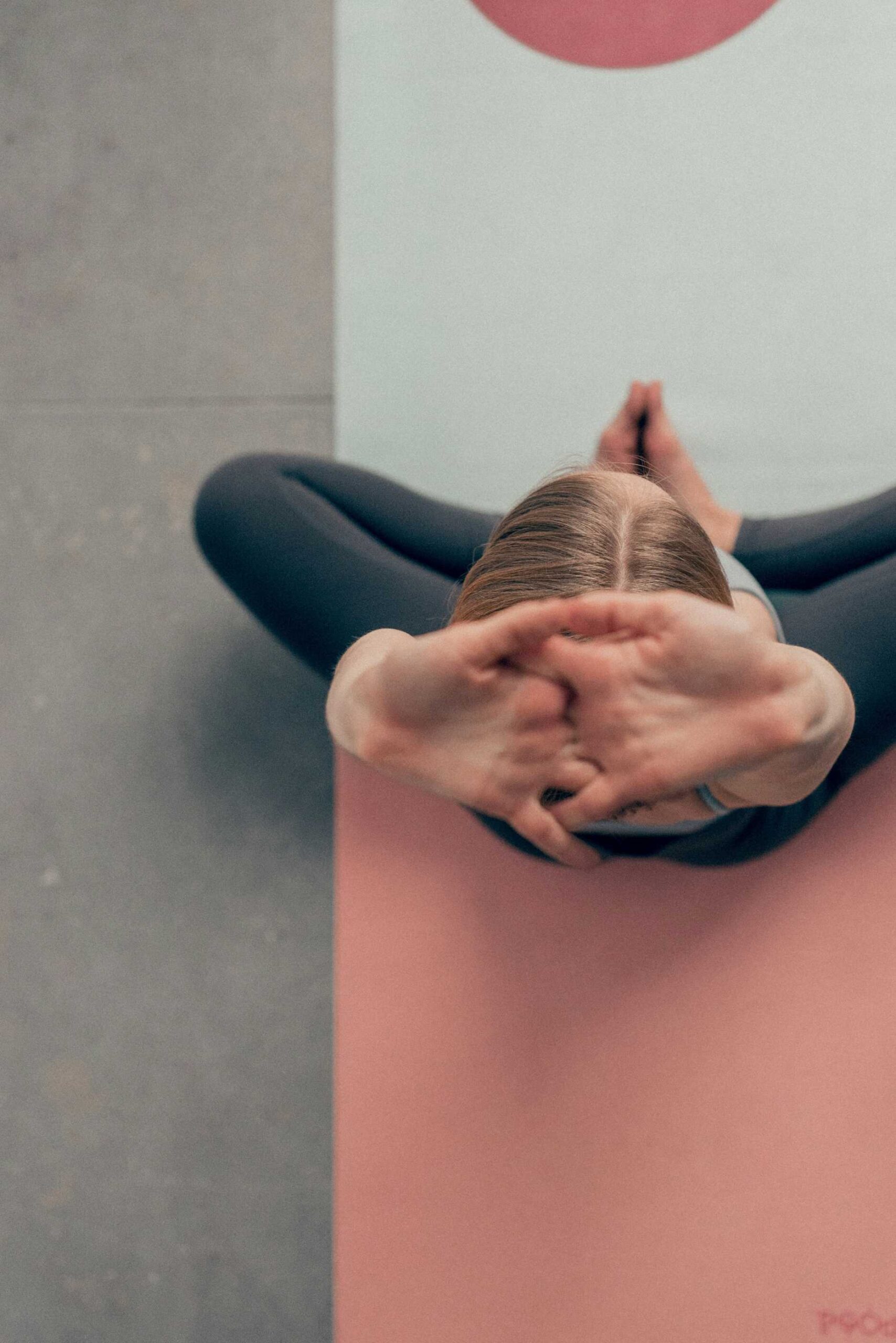
Living with anxiety and depression can feel overwhelming. Racing thoughts, constant worry, low mood, and emotional exhaustion often make daily life harder than it needs to be. While therapy and medication play an important role for many people, complementary practices like yoga for anxiety and depression relief offer a natural and supportive way to improve mental well-being.
Yoga does more than stretch the body. It connects movement, breath, and awareness. This mind–body connection makes yoga for anxiety and depression relief especially effective for calming the nervous system and improving mood over time.
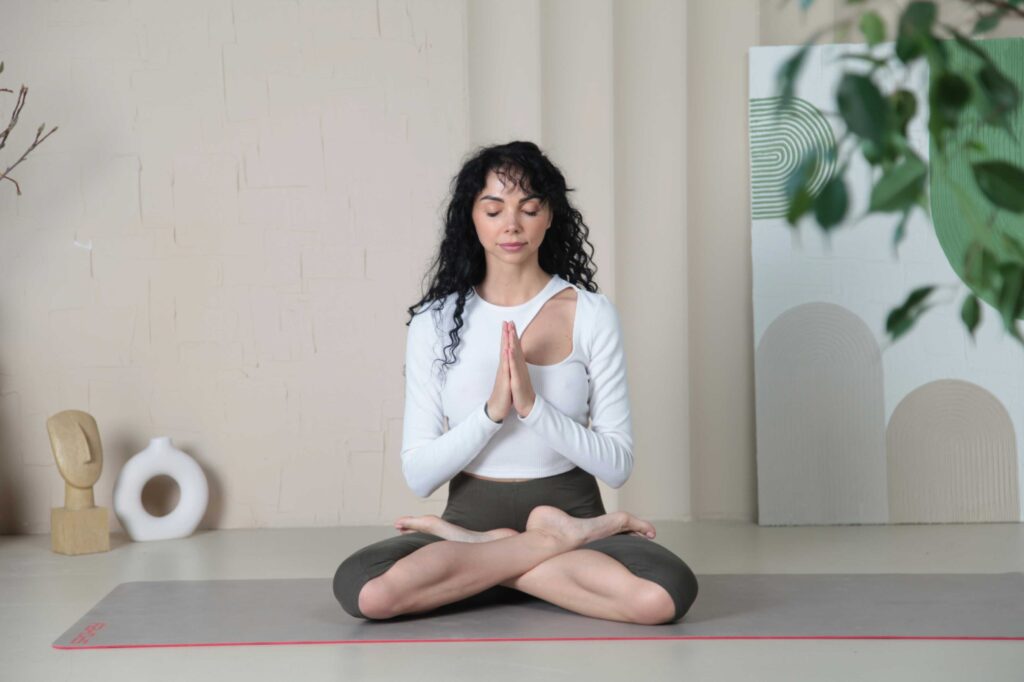
In this article, you will learn how yoga supports mental health, what science says about its benefits, and how to start a simple, sustainable yoga practice.
Understanding Anxiety and Depression
Anxiety and depression are among the most common mental health conditions worldwide.
According to the World Health Organization (WHO), over 280 million people globally live with depression, while anxiety disorders affect more than 300 million people worldwide (WHO, 2023). These conditions often overlap and share symptoms such as sleep problems, fatigue, irritability, and difficulty concentrating.
Modern life adds pressure through constant stimulation, social media, and work stress. As a result, many people seek holistic tools like yoga for anxiety and depression relief to regain balance.
How Yoga Supports Mental Health
Yoga works on both the body and the brain. It helps regulate stress hormones, supports emotional awareness, and encourages relaxation.
Here’s how yoga for anxiety and depression relief helps at a deeper level:
1. Regulates the Nervous System
Yoga activates the parasympathetic nervous system, also known as the “rest and digest” system. Slow movements and controlled breathing reduce cortisol, the stress hormone linked to anxiety and depression.
2. Improves Brain Chemistry
Research shows that yoga increases levels of gamma-aminobutyric acid (GABA), a neurotransmitter that helps calm the brain. Low GABA levels often appear in people with anxiety and depression.
A study published in the Journal of Alternative and Complementary Medicine found that participants practicing yoga showed greater increases in GABA levels compared to those who walked for exercise (Streeter et al., 2010).
3. Builds Mindfulness and Awareness
Yoga teaches you to stay present. This awareness reduces rumination, a common symptom of depression. Over time, yoga for anxiety and depression relief helps you respond to stress instead of reacting automatically.
Scientific Evidence Behind Yoga for Anxiety and Depression Relief
Science continues to support yoga as a valuable mental health tool.
- A 2017 meta-analysis published in Depression and Anxiety reported that yoga significantly reduced symptoms of depression, especially when practiced consistently.
- Harvard Medical School reports that yoga can improve mood, reduce stress, and support emotional resilience, making it effective as a complementary therapy (Harvard Health Publishing, 2021).
- The Anxiety and Depression Association of America (ADAA) notes that yoga improves both physical tension and mental stress, two major contributors to anxiety disorders.
These findings show why mental health professionals increasingly recommend yoga for anxiety and depression relief alongside traditional treatment.
Best Yoga Styles for Anxiety and Depression
Not all yoga styles feel the same. Some energize the body, while others promote deep relaxation.
H2: Gentle Yoga
Gentle yoga uses slow movements and simple poses. It works well for beginners and people experiencing fatigue or low motivation.
H2: Hatha Yoga
Hatha yoga focuses on basic postures and breathing. It creates balance and stability, making it ideal for yoga for anxiety and depression relief.
H2: Yin Yoga
Yin yoga involves holding poses for longer periods. This style calms the nervous system and supports emotional release.
H2: Restorative Yoga
Restorative yoga uses props like blankets and bolsters to support the body fully. It encourages deep rest and works especially well for chronic stress and burnout.
Yoga Poses That Support Mental Health
Certain poses directly support relaxation and emotional balance. You do not need advanced flexibility to benefit.
H3: Child’s Pose (Balasana)
This pose gently stretches the back and hips while encouraging deep breathing. It creates a sense of safety and grounding.
H3: Cat-Cow Pose (Marjaryasana–Bitilasana)
Cat-Cow improves spinal mobility and synchronizes breath with movement. It helps release tension stored in the body.
H3: Legs Up the Wall (Viparita Karani)
This calming pose reduces anxiety and supports better sleep. Many people include it in evening routines for yoga for anxiety and depression relief.
H3: Corpse Pose (Savasana)
Savasana allows the body and mind to fully relax. It helps integrate the calming effects of yoga and promotes emotional reset.
The Role of Breathwork in Yoga
Breathing techniques, or pranayama, play a powerful role in yoga for anxiety and depression relief.
H2: Deep Belly Breathing
Slow, deep breaths activate the vagus nerve. This response lowers heart rate and reduces anxiety symptoms.
H2: Alternate Nostril Breathing (Nadi Shodhana)
This technique balances the nervous system and improves focus. Many people find it helpful during moments of emotional overwhelm.
Studies show that controlled breathing can reduce anxiety levels within minutes by calming the stress response (APA, 2020).
How Often Should You Practice Yoga?
Consistency matters more than intensity. Even 10–20 minutes a day can create meaningful changes.
Experts recommend practicing yoga for anxiety and depression relief at least 3–5 times per week. Gentle daily sessions often work better than occasional long workouts.
Combining Yoga With Other Mental Health Supports
Yoga works best as part of a holistic approach. You can safely combine yoga for anxiety and depression relief with:
- Therapy or counseling
- Medication (as prescribed)
- Mindfulness or meditation
- Healthy sleep routines
- Balanced nutrition
Always consult a healthcare provider if you experience severe symptoms or emotional distress.
Tips for Starting a Yoga Practice
Starting yoga does not need to feel intimidating.
- Choose beginner-friendly classes or videos
- Practice at home if group classes feel overwhelming
- Focus on how you feel, not how poses look
- Be patient with your progress
- Listen to your body
Remember, yoga for anxiety and depression relief is about self-care, not perfection.
Final Thoughts: A Gentle Tool for Healing
Yoga offers a compassionate way to reconnect with your body and mind. Through movement, breath, and awareness, yoga for anxiety and depression relief helps reduce stress, improve mood, and support emotional balance.
While yoga does not replace professional treatment, it provides a powerful, evidence-based tool that empowers you to take an active role in your mental health journey. With regular practice, patience, and kindness toward yourself, yoga can become a steady source of calm and resilience.

Kevin Fletcher is a seasoned writer with over 10 years of experience crafting engaging and informative content in the health, fitness, and wellness industries. Passionate about helping readers live healthier lives, Kevin combines research-backed insights with practical tips to inspire positive change.