Now Reading: 7 Yoga Breathing Exercises for Anxiety That Calm the Nervous System
-
01
7 Yoga Breathing Exercises for Anxiety That Calm the Nervous System
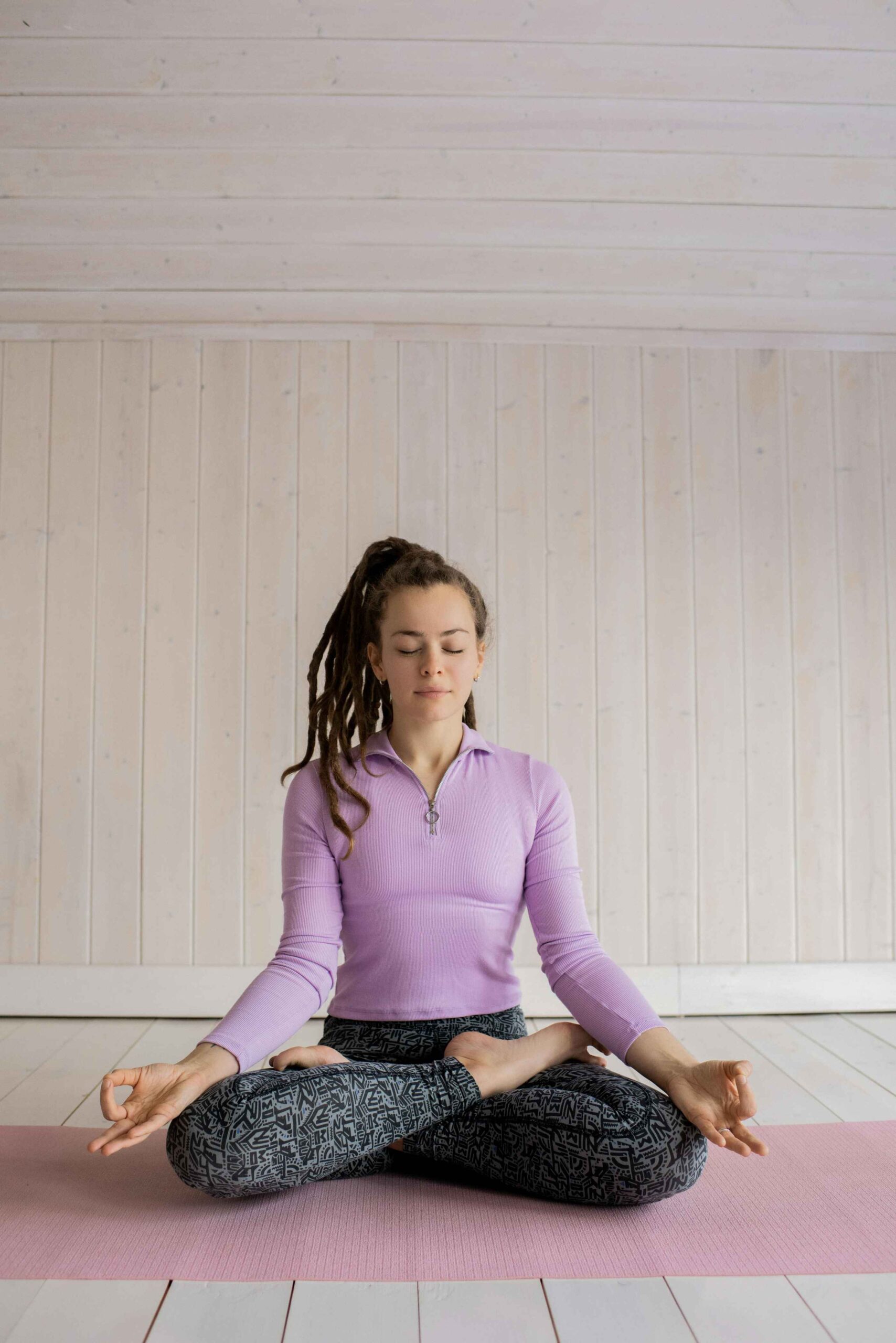
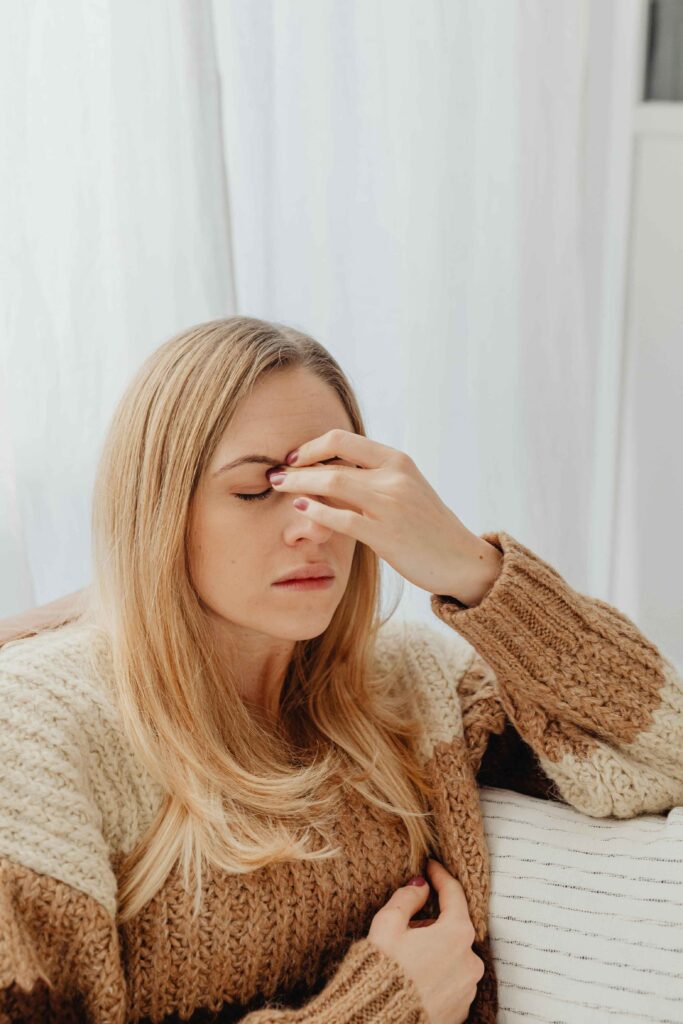
Anxiety often feels overwhelming. You might notice your heart racing, your chest tightening, and your thoughts spinning. The National Institute of Mental Health (NIMH) reports that anxiety disorders affect more than 19% of U.S. adults each year (https://www.nimh.nih.gov/health/statistics/any-anxiety-disorder).
One of the easiest ways to calm anxiety is by focusing on your breath. Yoga breathing exercises help trigger the body’s relaxation response and balance stress hormones.
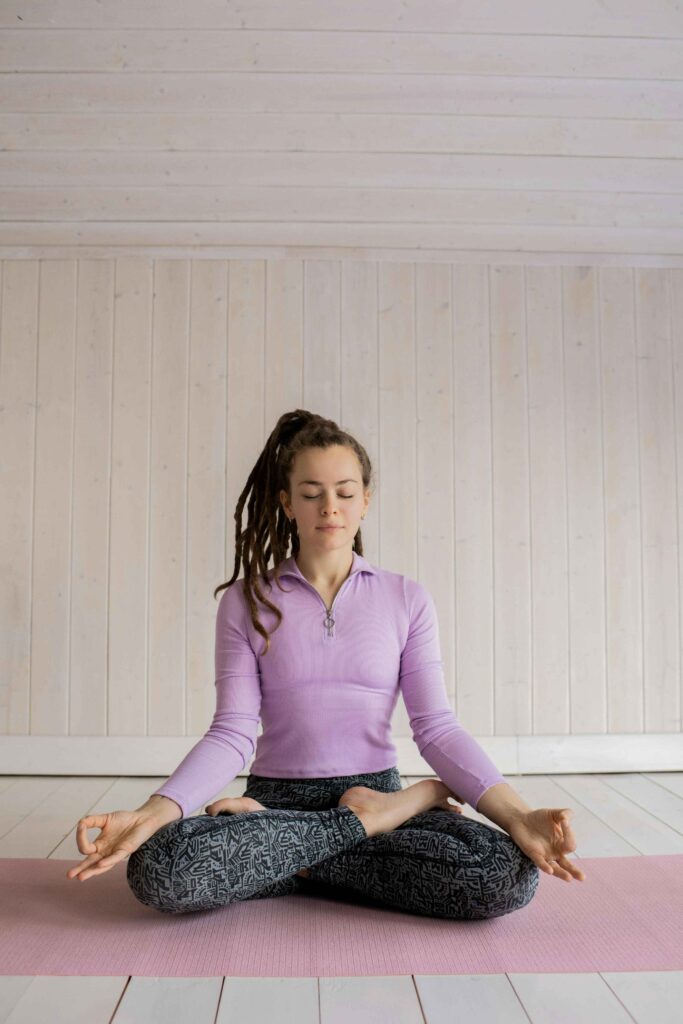
If you want simple, science-backed yoga breathing exercises for anxiety, this guide covers seven techniques you can use anywhere.
Why Yoga Breathing Exercises for Anxiety Work
When you feel anxious, your body goes into fight-or-flight mode. Stress hormones such as cortisol and adrenaline rise, and your breathing gets shallow and quick.
Slow, steady breathing activates the parasympathetic nervous system, which lowers your heart rate and tells your brain you are safe. Harvard Health explains that controlled breathing helps reduce stress by calming the nervous system (https://www.health.harvard.edu/mind-and-mood/relaxation-techniques-breath-control-helps-quell-errant-stress-response).
Research also shows that slow breathing can help you manage your emotions and ease anxiety symptoms (https://jamanetwork.com/journals/jamainternalmedicine/fullarticle/1809754).
That’s why yoga breathing exercises for anxiety are so effective—they have a direct impact on your nervous system.
7 Evidence-Based Yoga Breathing Exercises for Anxiety
Here are seven practical yoga breathing exercises for anxiety, each with simple instructions.
1. Diaphragmatic (Belly) Breathing
Diaphragmatic breathing is one of the best yoga breathing exercises for anxiety.
How to do it:
- Sit comfortably or lie down.
- Place one hand on your chest and one on your belly.
- Inhale slowly through your nose, expanding your belly.
- Exhale slowly through your mouth.
- Repeat for 5 minutes.
This exercise helps lower your heart rate and relax your muscles. It’s a great choice for daily practice if you want to use yoga breathing exercises for anxiety.
2. Box Breathing (Four-Square Breathing)
Box breathing helps you find a steady breathing rhythm.
How to do it:
- Inhale for 4 seconds.
- Hold for 4 seconds.
- Exhale for 4 seconds.
- Hold again for 4 seconds.
- Repeat for several rounds.
Many professionals recommend box breathing as one of the fastest ways to calm anxiety during a panic episode.
3. Nadi Shodhana (Alternate Nostril Breathing)
Alternate nostril breathing helps balance your nervous system.
How to do it:
- Sit upright.
- Close your right nostril with your thumb.
- Inhale through the left nostril.
- Close the left nostril and exhale through the right.
- Continue alternating for 2–3 minutes.
This technique is especially good for promoting focus and calmness.
4. Ujjayi (Ocean Breath)
Ujjayi breathing makes a gentle ocean-like sound in your throat.
How to do it:
- Inhale deeply through your nose.
- Slightly constrict the back of your throat.
- Exhale slowly through your nose with a gentle sound.
- Keep breaths steady and slow.
This method helps you stay mindful while practicing yoga breathing for anxiety.
5. Bhramari (Bee Breath)
Bee breath makes a gentle humming sound that helps calm your mind.
How to do it:
- Sit comfortably.
- Inhale deeply through your nose.
- Exhale while making a soft humming sound.
- Repeat 5–7 times.
This is one of the most soothing yoga breathing exercises for anxiety, especially if you do it before bed.
6. Lion’s Breath
Lion’s Breath helps release tension in your face and jaw.
How to do it:
- Inhale deeply through your nose.
- Open your mouth wide.
- Stick out your tongue and exhale forcefully.
- Repeat several times.
This energizing exercise adds some variety to your yoga breathing routine for anxiety.
7. Gentle Breath Retention (Kumbhaka)
Be careful when practicing breath retention.
How to do it:
- Inhale slowly.
- Hold your breath for a comfortable count.
- Exhale slowly.
- Avoid strain.
Gentle breath retention can help you focus, but if you’re new to yoga breathing, try the other exercises for anxiety first.
How to Incorporate Yoga Breathing Into Daily Life
Practicing yoga breathing exercises for anxiety regularly makes a real difference.
Try starting with five minutes each morning. Use box breathing before a stressful meeting, and practice belly breathing before you go to bed.
You can also combine yoga breathing exercises for anxiety with gentle stretching or journaling. Over time, your body will start to handle stress more calmly.
For guided breathing from a trusted source, here’s a helpful video by Yoga With Adriene :
Best Practices for Safe Yoga Breathing Exercises
Yoga breathing exercises for anxiety are safe for most people, but it’s important to follow these guidelines:
- Sit upright with a relaxed posture.
- Stop if you feel dizzy.
- Avoid intense breath retention if pregnant or managing heart conditions.
- Keep breathing slowly and controlled.
Practicing gently and steadily makes yoga breathing exercises for anxiety work even better.
Frequently Asked Questions
How quickly do yoga breathing exercises for anxiety work?
Many people start to feel calmer within just one to five minutes.
Which breathing technique works best during panic?
Diaphragmatic breathing and box breathing are the most helpful yoga breathing exercises for anxiety during moments of high stress.
Can breathing exercises replace therapy?
No. Yoga breathing exercises for anxiety can support your treatment, but they are not a substitute for professional care.
Final Thoughts
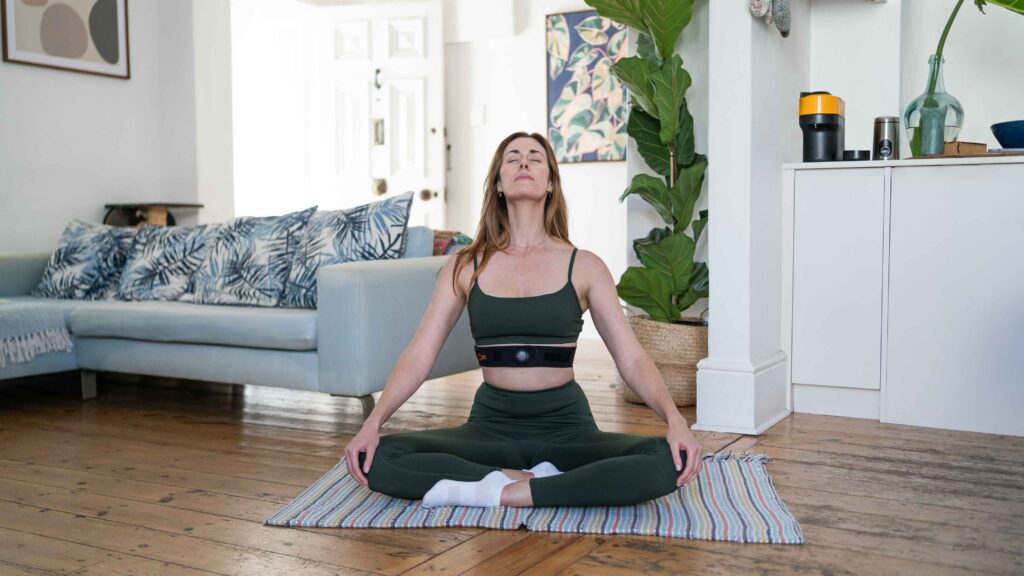
Anxiety is common, but small daily habits can make a real difference. Practicing yoga breathing exercises for anxiety gives you a simple, free way to help regulate your nervous system.
You don’t need any special equipment—just your breath.
With regular practice, yoga breathing exercises for anxiety can help lower stress, boost your focus, and bring more balance to your daily life.
References
- National Institute of Mental Health. Anxiety Statistics.
https://www.nimh.nih.gov/health/statistics/any-anxiety-disorder - Harvard Health Publishing. Relaxation Techniques and Breath Control.
https://www.health.harvard.edu/mind-and-mood/relaxation-techniques-breath-control-helps-quell-errant-stress-response - Goyal M et al. Meditation Programs for Psychological Stress. JAMA Internal Medicine.
https://jamanetwork.com/journals/jamainternalmedicine/fullarticle/1809754 - National Center for Complementary and Integrative Health. Mind and Body Practices.
https://www.nccih.nih.gov/health/mind-and-body-practices
Kevin Fletcher is a seasoned writer with over 10 years of experience crafting engaging and informative content in the health, fitness, and wellness industries. Passionate about helping readers live healthier lives, Kevin combines research-backed insights with practical tips to inspire positive change.