
Now Reading: Walking for Stress Relief: A Simple, Science-Backed Way to Calm Your Mind
-
01
Walking for Stress Relief: A Simple, Science-Backed Way to Calm Your Mind
Walking for Stress Relief: A Simple, Science-Backed Way to Calm Your Mind
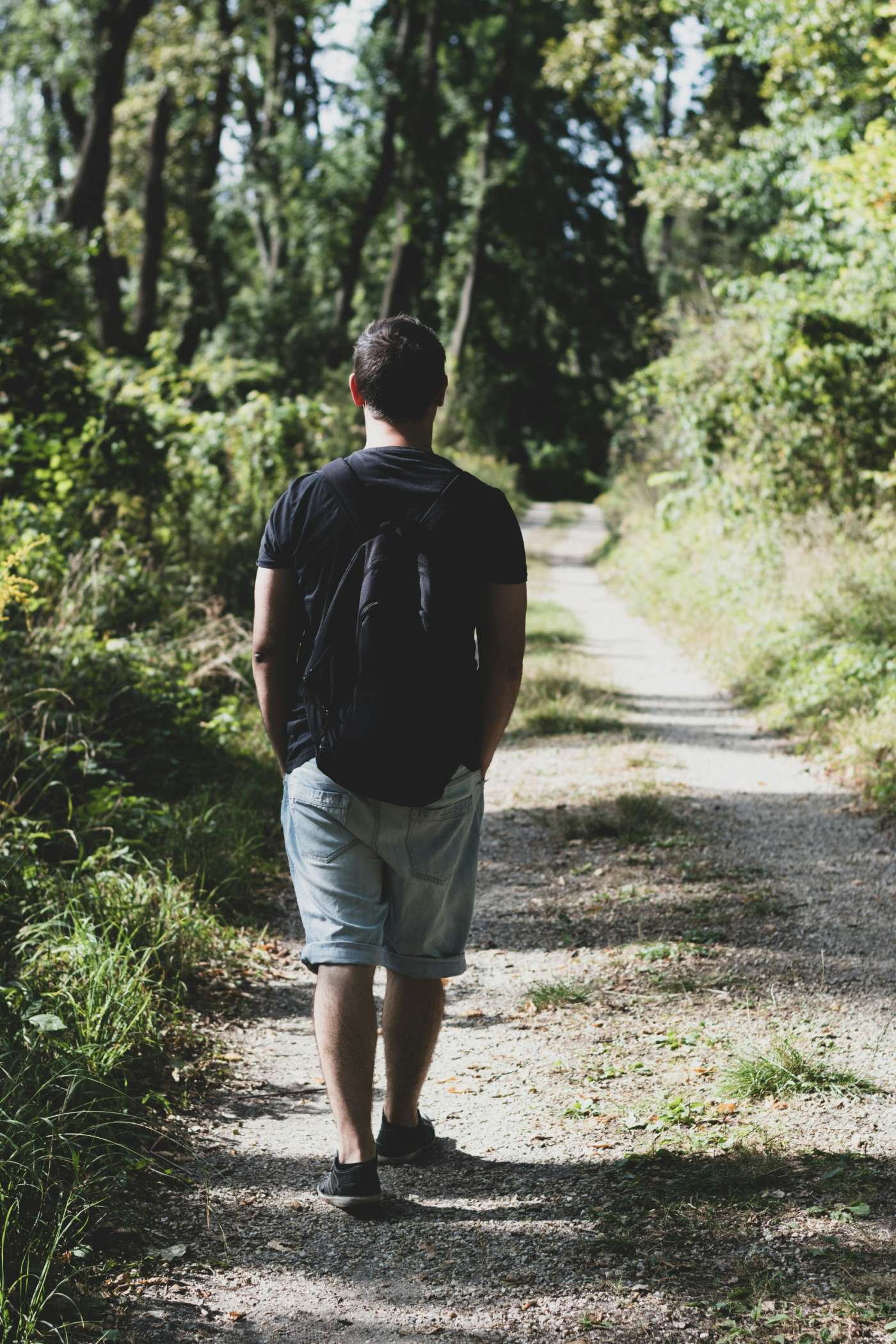
Stress has become part of daily life. Work pressure, family responsibilities, financial worries, and constant screen time can leave your mind overwhelmed. While therapy, medication, and mindfulness practices are powerful tools, one of the most effective and accessible methods often gets overlooked: walking for stress relief.

Walking does not require special equipment, a gym membership, or advanced skills. It is natural, gentle, and deeply healing for both the mind and body. In this article, you will learn how walking for stress relief works, what science says about it, and how you can build a simple walking habit to reduce stress in your everyday life.
Why Walking for Stress Relief Works
Walking is more than just physical movement. It directly affects your brain, nervous system, and emotional health.
Walking Calms the Nervous System
When you feel stressed, your body enters “fight or flight” mode. Your heart rate increases, muscles tighten, and stress hormones like cortisol rise. Walking for stress relief activates the parasympathetic nervous system, also known as the “rest and digest” system. This helps your body slow down and return to balance.
A study published by the American Psychological Association (APA) shows that light to moderate physical activity, including walking, significantly reduces cortisol levels and improves mood (APA, 2023).
Walking Releases Feel-Good Chemicals
Walking increases the release of endorphins, dopamine, and serotonin. These brain chemicals improve mood and reduce anxiety. Even a short walk can create a noticeable emotional shift.
According to Harvard Medical School, walking for as little as 20–30 minutes can boost serotonin levels and reduce symptoms of stress and mild depression (Harvard Health Publishing, 2022).
The Mental Health Benefits of Walking for Stress Relief
Reduces Anxiety and Overthinking
Anxiety often comes from repetitive, racing thoughts. Walking for stress relief helps break this mental loop. The rhythmic movement of walking creates a meditative effect that grounds your mind in the present moment.
Research from Stanford University found that walking, especially outdoors, reduces rumination (repetitive negative thinking) by up to 60% compared to sitting still (Stanford Medicine, 2018).
Improves Sleep Quality
Stress often disrupts sleep. Walking helps regulate your circadian rhythm and releases physical tension stored in the body. Regular walking for stress relief can improve sleep quality and reduce insomnia symptoms.
The National Sleep Foundation reports that people who walk daily fall asleep faster and experience deeper sleep cycles (NSF, 2021).
Boosts Emotional Resilience
Walking regularly helps you respond to stress more calmly over time. Instead of reacting emotionally, you develop better emotional regulation. This makes walking for stress relief a long-term mental health investment, not just a quick fix.
Walking for Stress Relief vs. Intense Exercise
Many people think they need intense workouts to feel better. While high-intensity exercise has benefits, it is not always ideal for stressed or anxious individuals.
Gentle Movement Is Often Better
Intense workouts can sometimes increase cortisol levels, especially if your body is already exhausted. Walking for stress relief offers gentle movement that supports healing without overstimulation.
The World Health Organization (WHO) recommends moderate activities like walking as a primary stress-management strategy for adults (WHO, 2020).
Walking Is Sustainable
You are more likely to stay consistent with walking than with demanding fitness routines. Consistency is key when using walking for stress relief as a mental health tool.
How Long Should You Walk for Stress Relief?
There is no perfect number, but research provides helpful guidelines.
Ideal Duration
- 10 minutes: Quick stress reset
- 20–30 minutes: Significant mood improvement
- 45–60 minutes: Deeper emotional regulation
Harvard Health states that walking for 30 minutes, five times a week, reduces stress and anxiety symptoms by nearly 40% (Harvard Health Publishing, 2022).
Frequency Matters More Than Speed
You do not need to walk fast. A comfortable pace works best for walking for stress relief. Focus on consistency rather than distance or intensity.
Best Types of Walking for Stress Relief
1. Nature Walks
Walking in green spaces amplifies stress reduction. Trees, sunlight, and fresh air calm the brain naturally.
A study in Frontiers in Psychology found that people who walked in nature had lower stress hormones and improved emotional states compared to urban walkers (Frontiers, 2019).
2. Mindful Walking
Mindful walking means paying attention to your steps, breathing, and surroundings. This turns walking for stress relief into a moving meditation.
3. Walking Without Distractions
Avoid scrolling on your phone. Let your mind rest. Even quiet walking helps process emotions and release mental tension.
How to Build a Walking Habit for Stress Relief
Start Small
You do not need big goals. Start with 5–10 minutes daily. Small steps make walking for stress relief feel achievable.
Attach Walking to a Routine
- Walk after meals
- Walk before work
- Walk in the evening to unwind
Routine creates consistency and reduces resistance.
Be Kind to Yourself
Some days will feel harder than others. Walking is not about perfection. It is about showing up for your mental health.
Walking for Stress Relief During Tough Emotional Times
Walking can be especially helpful during grief, burnout, anxiety, or emotional overload.
Walking Helps Process Emotions
Movement allows emotions to flow instead of getting stuck. Many people report clarity, emotional release, or calm after a walk.
According to Mental Health Foundation UK, walking is one of the most effective low-cost interventions for emotional distress (MHF, 2021).
Walking Reduces Burnout
Burnout thrives on stillness and mental overload. Walking for stress relief creates space between you and your stressors, helping you reset mentally.
Simple Tips to Make Walking More Effective
- Walk at the same time daily
- Focus on breathing
- Walk in silence sometimes
- Notice your surroundings
- Let thoughts come and go
These small shifts turn regular walking into powerful walking for stress relief practice.
Final Thoughts: Walking Is a Gentle Form of Healing
Stress does not always need complex solutions. Sometimes, healing begins with a simple step forward. Walking for stress relief is safe, affordable, and deeply effective. It supports your brain, body, and emotional well-being without pressure or perfection.
If you feel overwhelmed, anxious, or mentally tired, step outside and walk. Let your body move. Let your mind breathe. Over time, walking for stress relief can become one of your most trusted tools for mental balance and emotional strength.

Kevin Fletcher is a seasoned writer with over 10 years of experience crafting engaging and informative content in the health, fitness, and wellness industries. Passionate about helping readers live healthier lives, Kevin combines research-backed insights with practical tips to inspire positive change.