

Now Reading: Mindfulness Habits to Reduce Anxiety
-
01
Mindfulness Habits to Reduce Anxiety
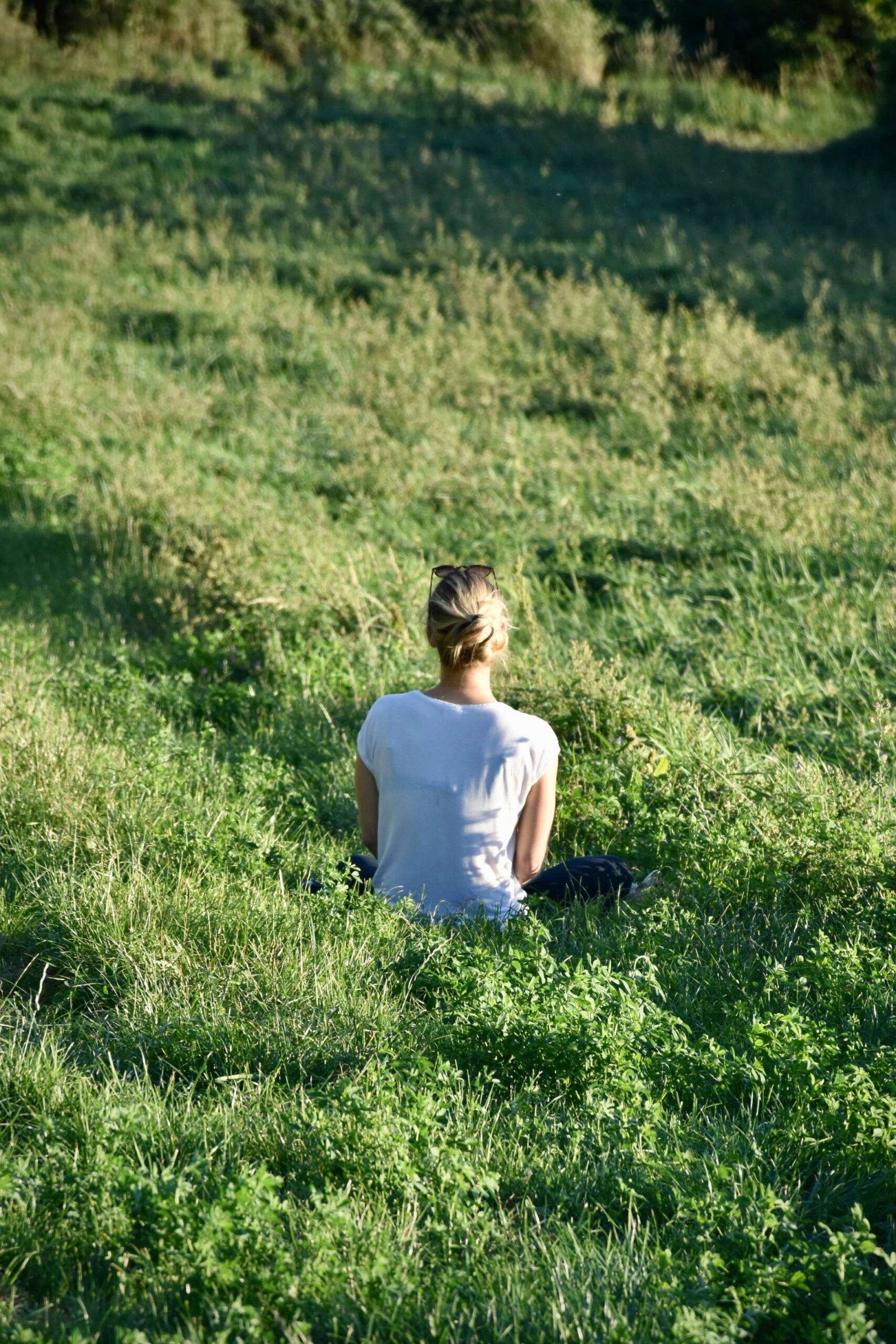
Anxiety affects millions of people worldwide. In the United States alone, over 40 million adults experience an anxiety disorder every year (Source: Anxiety & Depression Association of America, 2023). While professional help is important, many people find daily mindfulness habits extremely helpful in reducing stress and calming the mind. In this article, we will explore simple and effective mindfulness habits to reduce anxiety that you can start using today.
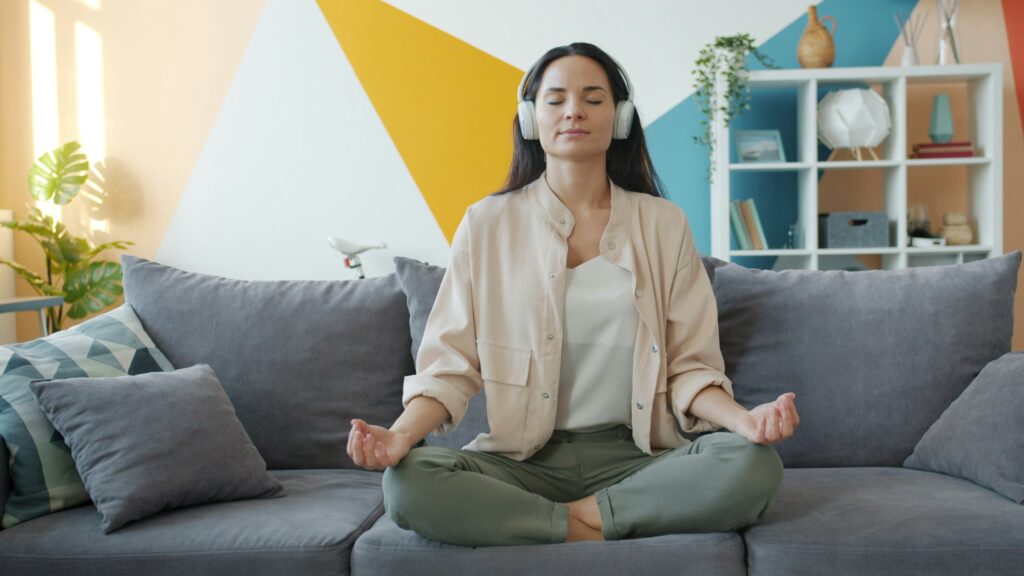
What Is Mindfulness?
Mindfulness means paying full attention to the present moment. You observe your thoughts, emotions, and body sensations without judgment. Instead of worrying about the future or replaying the past, mindfulness brings your attention back to what is happening now. This shift helps reduce anxiety and promotes emotional balance.
Why Mindfulness Works for Anxiety
Mindfulness lowers anxiety by helping your brain slow down and reset. According to a 2018 Harvard study, regular mindfulness practice can physically change areas of the brain linked to stress and emotional regulation (Source: Harvard Health Publishing, 2018). When you practice mindfulness habits daily, your body learns to respond calmly instead of entering a stress cycle.
1. Start Your Day With Mindful Breathing
Mindful breathing is one of the easiest mindfulness habits to reduce anxiety. It requires only a few minutes and no equipment.
How to do it:
- Sit comfortably.
- Inhale slowly through your nose for four seconds.
- Hold for two seconds.
- Exhale through your mouth for six seconds.
- Repeat for 5–10 minutes.
Mindful breathing activates your parasympathetic nervous system, which helps your body relax naturally. This simple habit can set a peaceful tone for your entire day.
2. Practice Mindful Journaling
Journaling is a powerful way to process emotions. When you combine it with mindfulness, your writing becomes more meaningful and calming.
Try this method:
- Write down your thoughts without judging them.
- Focus on what you feel at this moment.
- Note where you feel tension in your body.
- End with one positive thought or gratitude.
Studies show that gratitude writing can improve mood and reduce anxiety when practiced regularly (Source: University of California, 2021).
3. Build Mindful Eating Habits
Mindful eating means paying close attention to your food—its smell, taste, texture, and how it makes you feel. It helps you slow down, enjoy your meals, and connect with your body.
How mindful eating reduces anxiety:
- Encourages slower breathing
- Reduces emotional overeating
- Helps regulate stress responses
Try putting away your phone and focusing only on your meal. You might notice a deeper sense of calm and satisfaction.
4. Take Mindful Walks Every Day
Walking mindfully is another effective mindfulness habit to reduce anxiety. Instead of walking on “autopilot,” you become aware of each step and your surroundings.
During a mindful walk:
- Feel your feet touching the ground
- Notice the rhythm of your steps
- Observe sounds, smells, and the environment
- Pay attention to your breathing
A 2020 study from Stanford University found that mindful walking in nature can reduce anxiety by up to 30% (Source: Stanford News, 2020).
5. Use Mindful Body Scans to Release Tension
A body scan helps you notice tension and relax your muscles. This technique brings awareness to parts of the body that often hold stress.
Steps:
- Lie down or sit comfortably
- Close your eyes
- Slowly move your attention from your toes to your head
- Relax each area as you go
This mindfulness habit works especially well at night before sleep.
6. Limit Screen Time with Mindful Breaks
Constant notifications and digital noise can increase anxiety. Mindful screen breaks help you pause, breathe, and reset your focus.
Try this rule:
Every hour, take a 2-minute mindful break.
During this break:
- Close your eyes
- Breathe deeply
- Observe how you feel
These small breaks help reduce mental overload and anxiety throughout the day.
7. Create a Mindful Night Routine
A calming night routine signals your brain that it’s time to rest. It improves sleep quality, which directly affects anxiety.
Try adding these habits:
- Light stretching
- Mindful breathing
- Reading something peaceful
- Avoiding screens 30 minutes before bed
People who practice nighttime mindfulness report improved sleep and lower anxiety levels (Source: Sleep Foundation, 2022).
8. Practice Mindful Listening in Conversations
Mindful listening reduces social anxiety and strengthens relationships.
How to practice it:
- Focus fully on the speaker
- Avoid interrupting
- Observe your emotional reactions
- Respond thoughtfully
When you are present in conversations, you feel more connected and less overwhelmed.
9. Use Mindfulness Apps for Support
Apps like Headspace or Calm guide you through short, daily mindfulness sessions. Many people find them useful for building consistent habits.
These apps offer:
- Guided meditations
- Breathing exercises
- Body scans
- Sleep stories
Research shows that even 10 minutes a day of guided mindfulness can significantly reduce anxiety symptoms (Source: APA, 2019).
Final Thoughts
Building daily mindfulness habits to reduce anxiety doesn’t require major lifestyle changes. Small, consistent actions can transform how you feel emotionally and mentally. Whether it’s mindful breathing, walking, journaling, or simply taking a break from your screen, each habit helps calm your mind and bring you back to the present moment.
Start with one or two habits and gradually add more as you feel comfortable. The more you practice mindfulness, the easier it becomes—and the greater the impact on your anxiety and overall well-being.

Kevin Fletcher is a seasoned writer with over 10 years of experience crafting engaging and informative content in the health, fitness, and wellness industries. Passionate about helping readers live healthier lives, Kevin combines research-backed insights with practical tips to inspire positive change.