
Now Reading: Mindful Grounding Techniques for Anxiety: A Simple Guide to Calm Your Mind
-
01
Mindful Grounding Techniques for Anxiety: A Simple Guide to Calm Your Mind
Mindful Grounding Techniques for Anxiety: A Simple Guide to Calm Your Mind

Anxiety affects millions of people every day. According to the National Institute of Mental Health (NIMH), about 19.1% of U.S. adults experience an anxiety disorder each year. With busy schedules, constant noise, and daily stress, many people search for ways to feel calmer, more present, and more in control. One effective approach is using mindful grounding techniques for anxiety, which help bring your attention back to the moment and reduce racing thoughts.

These techniques work by connecting your mind to your body and your surroundings. When anxiety increases, your thoughts often jump to the future or replay the past. Grounding brings you back to what is happening right now. You don’t need special tools, training, or long meditation sessions. You only need a little time, patience, and awareness.
In this article, you will learn what grounding is, how mindful grounding techniques for anxiety work, and simple exercises you can start using today.
What Are Mindful Grounding Techniques?
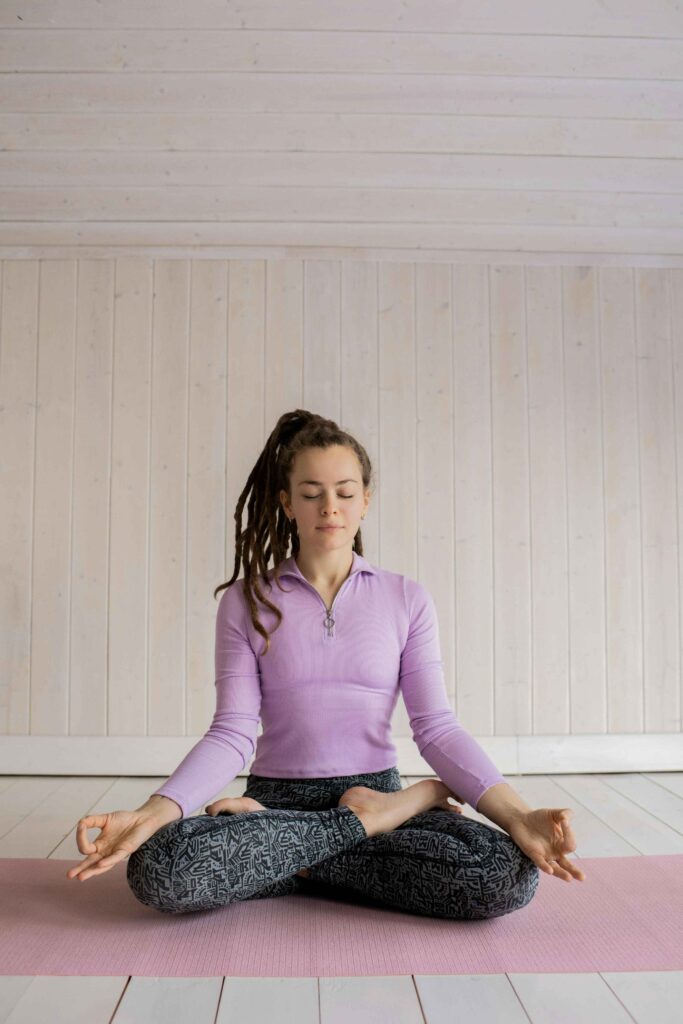
Mindful grounding techniques are practical exercises that keep you focused on the present moment. They help shift your attention from anxious thoughts to something more stable—like your breath, senses, or physical sensations. These techniques combine mindfulness (awareness without judgment) with grounding (anchoring yourself to reality).
People use mindful grounding techniques for anxiety to:
- Slow down their thoughts
- Reduce physical symptoms like rapid heartbeat
- Calm emotional overwhelm
- Feel more balanced during panic or stress
- Stay connected during moments of dissociation or fear
Grounding is simple and works for children, teenagers, and adults. Many therapists include grounding exercises in cognitive behavioral therapy (CBT) and trauma-informed care because they help regulate the nervous system.
Why Mindful Grounding Techniques for Anxiety Work
When you feel anxious, your body enters “fight-or-flight” mode. Your brain thinks you are in danger even when you’re not. This response increases cortisol levels and activates your sympathetic nervous system.
Mindful grounding techniques for anxiety interrupt this stress cycle. They help activate the parasympathetic nervous system—the part responsible for rest, calmness, and relaxation.
Research shows that mindfulness-based practices can reduce anxiety symptoms by up to 58% in some people (American Psychological Association). While results vary, many individuals experience noticeable relief within minutes of grounding.
Simple Mindful Grounding Techniques for Anxiety
Below are effective and easy-to-follow exercises. You can use them anytime anxiety rises—at work, at home, before sleep, or during stressful moments.
1. The 5-4-3-2-1 Sensory Technique
This classic grounding exercise helps reconnect your mind to your five senses.
How to do it:
- Name 5 things you can see.
Look around the room. Notice colors, shapes, and light. - Name 4 things you can touch.
Feel your clothing, your chair, or a nearby object. - Name 3 things you can hear.
Listen to distant or soft sounds you usually ignore. - Name 2 things you can smell.
If you can’t smell anything, recall your favorite smells. - Name 1 thing you can taste.
Sip water, chew gum, or notice the taste in your mouth.
This method is one of the most effective mindful grounding techniques for anxiety because it engages multiple senses and pulls you back into the present moment.
2. Deep Belly Breathing
Breathing is a powerful way to influence your nervous system. When you slow your breath, your body receives a message to relax.
How to do it:
- Sit with your back straight.
- Place one hand on your chest and one on your belly.
- Inhale through your nose for 4 seconds.
- Hold for 1 second.
- Exhale through your mouth for 6 seconds.
- Repeat for 1–2 minutes.
As you focus on each breath, you practice one of the most grounding and mindful grounding techniques for anxiety.
3. Physical Pressure Grounding
Sometimes your body needs something physical to remind it that you are safe.
Try:
- Pressing your feet into the floor
- Holding a warm mug
- Wrapping yourself in a soft blanket
- Pushing your hands together for 10 seconds
These movements signal stability and help regulate anxious sensations.
4. Labeling Your Emotions
Mindfulness means noticing emotions without judgment.
How to do it:
- Say out loud: “I feel anxious.”
- Add a description: “My chest feels tight,” or “My mind feels busy.”
Research shows that naming emotions reduces activity in the brain’s fear centers. This makes it one of the most helpful mindful grounding techniques for anxiety when emotions feel overwhelming.
5. Object Focus Practice
Choose a small object—like a stone, key, pen, or piece of fabric.
Observe it carefully:
- What color is it?
- How heavy is it?
- What texture do you feel?
- Is it warm or cold?
This practice trains your mind to focus on something neutral and calming. Many people carry grounding objects in their pockets for quick relief.
6. Mental Categories Technique
Your mind can ground itself through simple lists.
Try naming:
- Types of animals
- Countries you’ve visited
- Favorite songs
- Colors you see around you
These small tasks shift your brain from fear to logic, a core element of mindful grounding techniques for anxiety.
When to Use Mindful Grounding Techniques
You can use grounding whenever anxiety appears, but especially during:
- Panic attacks
- Racing thoughts before bed
- Stressful work situations
- Social anxiety
- Moments of fear or overwhelm
- Times when you feel disconnected or “not present”
Practicing daily—even when calm—helps your brain learn to relax faster.
Final Thoughts
Anxiety can feel heavy, fast, and unpredictable. But mindful grounding techniques for anxiety offer simple ways to bring your mind back to the present moment. Whether you focus on your senses, breath, or physical surroundings, grounding helps you regain control and soften your stress response.
Start with one technique from this guide. Practice it for a few minutes each day. Over time, you will build a calm, steady foundation that supports you during anxious moments.
Mindfulness is not about perfection—it’s about awareness. And every moment you choose to ground yourself is a step toward peace, clarity, and emotional balance.

Kevin Fletcher is a seasoned writer with over 10 years of experience crafting engaging and informative content in the health, fitness, and wellness industries. Passionate about helping readers live healthier lives, Kevin combines research-backed insights with practical tips to inspire positive change.