

Now Reading: Magnesium for Depression: How This Essential Mineral Supports Mood and Mental Health
-
01
Magnesium for Depression: How This Essential Mineral Supports Mood and Mental Health
Magnesium for Depression: How This Essential Mineral Supports Mood and Mental Health
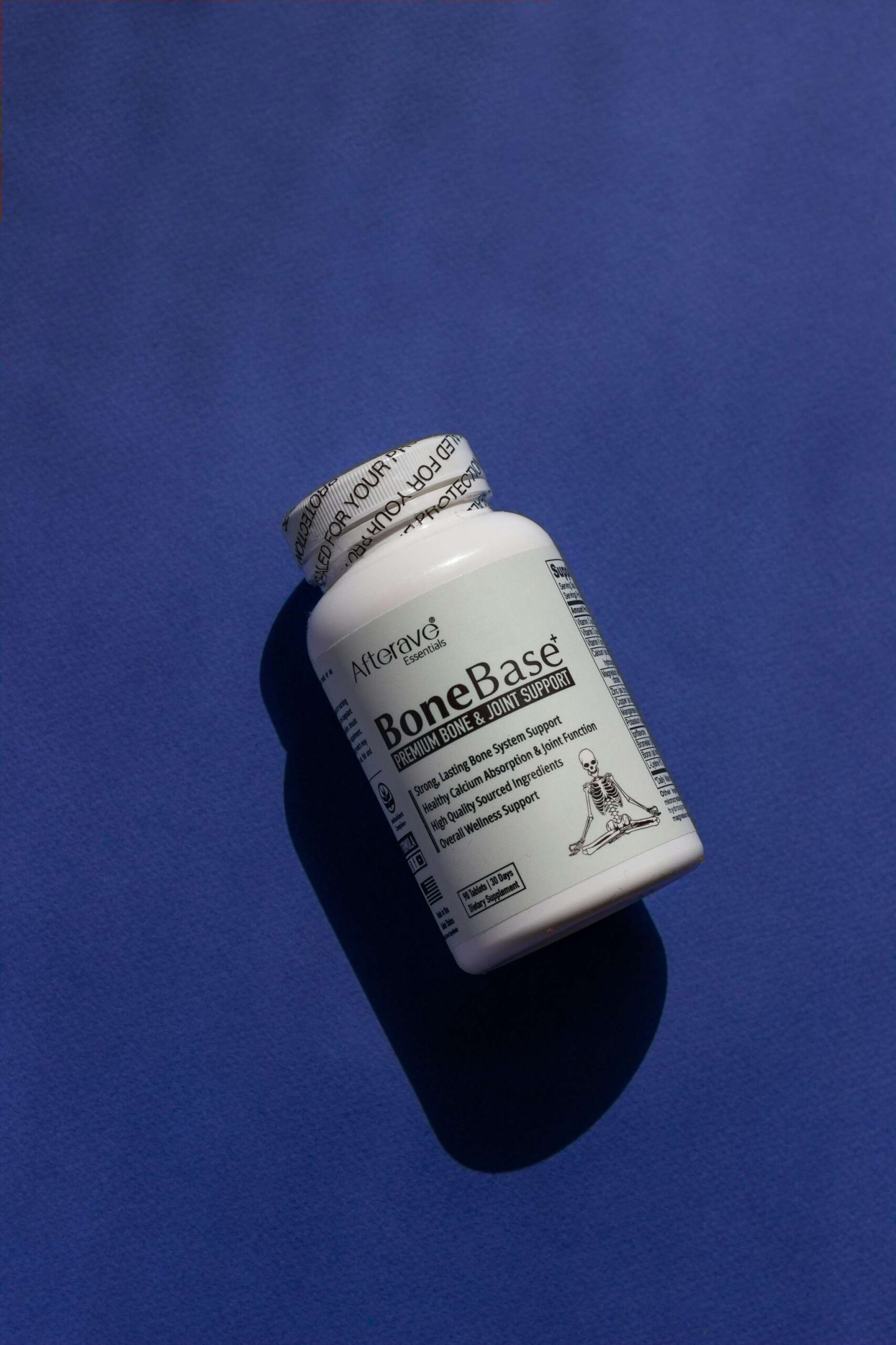
Depression affects millions of people around the world, and many search for natural ways to support their mental well-being. One promising option is magnesium for depression, a mineral your body needs for more than 300 biochemical reactions. Research suggests that magnesium plays a vital role in brain health, mood regulation, and stress response. In this article, we will explore how magnesium helps with depression, the science behind it, the best food sources, and how you can safely add it to your daily routine.

What Is Magnesium and Why Does It Matter for Mental Health?
Magnesium is an essential mineral that supports muscle function, nerve communication, blood pressure regulation, and energy production. When it comes to mental health, magnesium is even more important. Your brain needs it to regulate neurotransmitters like serotonin, which strongly influence your mood and emotional balance.
Studies show that people with depression often have lower levels of magnesium. A report published by the National Institutes of Health (NIH, 2023) found that magnesium deficiency is linked to increased symptoms of anxiety and depression. This connection explains why magnesium for depression is gaining attention among researchers and clinicians.
How Magnesium Supports the Brain
When you use magnesium for depression, you support your brain in several powerful ways:
1. It Helps Regulate Neurotransmitters
Magnesium plays a key role in balancing neurotransmitters. These chemicals help your brain communicate and regulate mood. Low magnesium levels can disrupt serotonin and dopamine, leading to irritability, sadness, and fatigue. Using magnesium for depression helps restore this balance and supports healthier brain function.
2. It Lowers Stress Hormones
Chronic stress increases cortisol levels, which can worsen depression symptoms. Magnesium lowers cortisol and helps your nervous system relax. Research in the Journal of the American Board of Family Medicine (2018) showed that magnesium supplementation improved stress and mild depression symptoms in adults.
3. It Improves Sleep Quality
Many people with depression struggle with sleep. Magnesium supports relaxation and helps regulate melatonin, the hormone responsible for sleep cycles. Better sleep can significantly reduce depression symptoms. Using magnesium for depression gives your body the support it needs to rest and repair.
4. It Reduces Inflammation
High inflammation levels are linked to depression. Magnesium has natural anti-inflammatory benefits. A 2017 meta-analysis found that magnesium supplementation significantly reduced symptoms of mild to moderate depression (PLoS One, 2017). This makes magnesium for depression a supportive and research-backed natural option.
Signs You Might Have Low Magnesium Levels
Low magnesium is more common than many people realize. According to the NIH, almost half of adults do not meet their daily magnesium needs. Symptoms of low magnesium include:
- Muscle cramps
- Fatigue
- Irritability
- Trouble sleeping
- Headaches
- Low mood
If you notice these signs, you might benefit from adding magnesium for depression into your routine.
Best Food Sources of Magnesium
You can naturally boost magnesium levels by eating magnesium-rich foods every day. These foods support your overall health and make it easier for your body to regulate mood:
Magnesium-rich foods include:
- Spinach
- Almonds
- Cashews
- Avocado
- Pumpkin seeds
- Black beans
- Dark chocolate
- Whole grains
Eating these foods regularly helps your body naturally increase magnesium levels. If you want to support your mood, combining these foods with other healthy habits can make magnesium for depression even more effective.
Types of Magnesium Supplements for Depression
If food sources are not enough, supplements can help. But not all forms of magnesium are the same. Some absorb better than others, especially when you want magnesium for depression and mood support.
1. Magnesium Glycinate
- Highly absorbable
- Gentle on the stomach
- Excellent for anxiety, stress, and sleep
- One of the best forms of magnesium for depression
2. Magnesium L-Threonate
- Crosses the blood–brain barrier
- Supports memory and cognitive function
- Promising results for depression and brain health
3. Magnesium Citrate
- Good absorption
- Supports digestion
- Helpful for people who need overall magnesium support
If your main goal is mood improvement, magnesium glycinate or magnesium L-threonate may offer the most benefits when using magnesium for depression.
How Much Magnesium Do You Need?
The recommended daily intake depends on your age and gender. According to the NIH (2023):
- Adult men: 400–420 mg/day
- Adult women: 310–320 mg/day
Most supplements range from 100 mg to 400 mg per dose. If you want to use magnesium for depression, start with a lower dose and increase slowly. Always talk to your doctor before starting supplements, especially if you are pregnant, breastfeeding, or taking medications.
Is Magnesium Safe?
Magnesium is generally safe when taken in recommended amounts. However, too much can cause:
- Diarrhea
- Nausea
- Stomach discomfort
People with kidney problems should avoid supplements unless advised by a doctor.
Tips for Using Magnesium for Depression
To get the most benefits:
- Take it daily
- Pair it with a balanced diet
- Stay hydrated
- Combine it with healthy habits like exercise, sleep, and sunlight
- Track your mood changes over time
Using magnesium for depression becomes more effective when it is part of a holistic mental-wellness plan.
Final Thoughts
Magnesium is a powerful mineral that supports many areas of mental health. Growing research shows that magnesium for depression can help reduce symptoms, support brain function, lower stress, and improve sleep. While it is not a cure on its own, it can be an effective part of a broader wellness routine. If you are looking for a natural way to support your mood, magnesium might be a helpful option to explore.
If you’re considering magnesium for depression, talk to your doctor or a mental-health professional to see if it’s the right fit for your needs.

Kevin Fletcher is a seasoned writer with over 10 years of experience crafting engaging and informative content in the health, fitness, and wellness industries. Passionate about helping readers live healthier lives, Kevin combines research-backed insights with practical tips to inspire positive change.