

Now Reading: How Mindfulness Reduces Anxiety: Simple Tools for a Calmer Mind
-
01
How Mindfulness Reduces Anxiety: Simple Tools for a Calmer Mind
How Mindfulness Reduces Anxiety: Simple Tools for a Calmer Mind
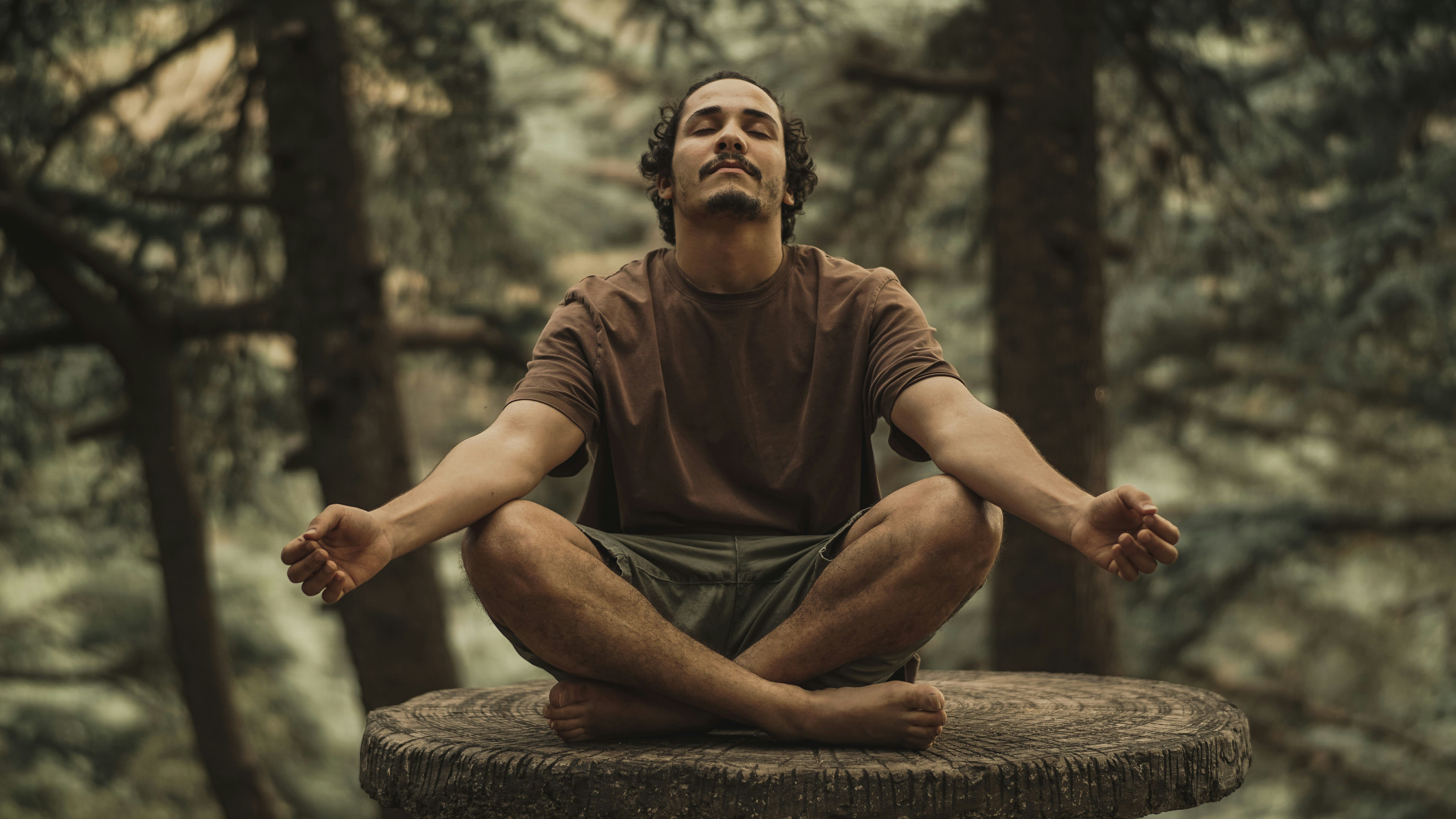
Anxiety is more than just worry. It can show up as racing thoughts, sleepless nights, or a pounding heart during everyday moments. Millions of people live with anxiety every day, often feeling overwhelmed and unsure how to cope. While therapy and medication help many, there’s a simple and natural method anyone can try—mindfulness.
This article will explore how mindfulness reduces anxiety, the science behind it, and easy ways to practice it in your daily life. If you’re looking for emotional balance, these simple tools can help calm your mind and ease daily stress.
What Is Mindfulness?
Mindfulness means paying attention to the present moment without judgment. It’s the practice of noticing what’s happening in your body, your thoughts, and your surroundings without trying to change it. You observe, accept, and let go.
Rather than getting stuck in regrets about the past or worries about the future, mindfulness helps bring your focus to the now. And that’s exactly what makes it so powerful in managing anxiety.
Why Mindfulness Works for Anxiety
Anxiety often comes from overthinking the future or reacting to stressful thoughts. Mindfulness gives you the tools to pause and step back. It teaches your brain to observe anxious feelings rather than be ruled by them.
According to the American Psychological Association (APA), mindfulness helps reduce rumination, improve mood, and increase resilience to stress (APA, 2021).
By practicing mindfulness, you train your mind to stay grounded and present, which naturally reduces anxiety symptoms over time.
How Mindfulness Reduces Anxiety: The Science Behind It
Let’s break down how mindfulness reduces anxiety from a biological and psychological perspective.
1. Mindfulness Calms the Nervous System
When you’re anxious, your body activates the fight-or-flight response. This raises your heart rate, tenses your muscles, and increases stress hormones like cortisol.
Mindfulness activates the parasympathetic nervous system, often called the “rest-and-digest” system. Breathing deeply and focusing on the present sends calming signals to the brain, slowing down anxiety responses.
2. It Changes Brain Structure
Studies using MRI scans show that regular mindfulness practice actually changes the brain. A 2011 study by Harvard researchers found that eight weeks of mindfulness meditation increased gray matter in the hippocampus, the part of the brain linked to emotion regulation (Harvard Gazette, 2011).
This means mindfulness helps the brain build healthier emotional patterns.
3. Reduces Rumination and Negative Thinking
Mindfulness teaches you to notice thoughts without getting stuck in them. Instead of spiraling into “what if” scenarios, you learn to observe thoughts like passing clouds. This helps stop the cycle of worry that fuels anxiety.
Benefits of Mindfulness for Anxiety
The benefits of practicing mindfulness regularly go beyond just a moment of peace. Here’s what you gain:
- Lower levels of stress and cortisol
- Better sleep quality and fewer racing thoughts
- Greater emotional control and resilience
- Improved concentration and focus
- Stronger connection to your body and emotions
A 2014 meta-analysis published in JAMA Internal Medicine found that mindfulness meditation helped reduce clinical anxiety, stress, and depression symptoms in a wide range of individuals (Goyal et al., 2014).

Real-Life Example: Sarah’s Story
Sarah, a 35-year-old nurse, began experiencing daily panic attacks during the pandemic. “I couldn’t turn off my mind,” she says. “Everything made me anxious.” She started using a mindfulness app and practicing deep breathing before bed.
Within a few weeks, her sleep improved. “Now, I pause and breathe before reacting to stress. It doesn’t make my problems disappear, but it helps me stay calm.”
Her story is a powerful example of how mindfulness reduces anxiety in real life.
Simple Mindfulness Techniques to Reduce Anxiety
You don’t need a meditation cushion or hours of free time. These techniques are quick, easy, and highly effective.
1. Mindful Breathing
Focus your attention on your breath. Inhale slowly through your nose for 4 counts, hold for 4, and exhale for 4.
Why it works: It sends a calming signal to your brain and resets your nervous system.
2. Body Scan Meditation
Lie or sit comfortably. Slowly move your attention through each part of your body, from head to toe. Notice sensations, tension, or comfort.
Why it works: It helps you reconnect with your body and release physical stress.
3. 5-4-3-2-1 Grounding Technique
This exercise uses your five senses to bring you back to the present:
- 5 things you see
- 4 things you can touch
- 3 things you hear
- 2 things you smell
- 1 thing you taste
Why it works: It interrupts racing thoughts and anchors your awareness in the now.
4. Mindful Journaling
Spend 5–10 minutes writing down what you feel, think, and notice. Don’t edit—just observe.
Why it works: It clears mental clutter and brings awareness to thought patterns.
How to Make Mindfulness a Daily Habit
Like any new skill, mindfulness takes practice. But even a few minutes a day can make a difference.
Here’s how to build a lasting habit:
- Start small: Begin with 5 minutes a day.
- Choose a consistent time: Morning, lunch break, or before bed.
- Use an app or timer: Headspace, Calm, and Insight Timer offer guided practices.
- Be kind to yourself: Your mind will wander. That’s normal. Just come back gently.
Combining Mindfulness with Other Strategies
Mindfulness works best as part of a larger mental health toolkit. Consider combining it with:
- Therapy or counseling
- Regular physical exercise
- Healthy eating and sleep routines
- Spending time in nature or connecting with loved ones
Together, these practices create a strong foundation for emotional wellness.
Final Thoughts
Anxiety can make life feel out of control. But mindfulness gives you a way to take back your power—one breath, one moment at a time. By learning how mindfulness reduces anxiety, you discover a simple, natural path to peace and resilience.
You don’t have to eliminate anxiety entirely. You just need the right tools to live well with it. Mindfulness is one of those tools—free, accessible, and always within reach.
References
- American Psychological Association (APA). “Mindfulness and Mental Health.” 2021. https://www.apa.org
- Goyal, M., et al. (2014). “Meditation Programs for Psychological Stress and Well-being.” JAMA Internal Medicine.
- Harvard Gazette. “Eight Weeks to a Better Brain.” 2011. https://news.harvard.edu

Kevin Fletcher is a seasoned writer with over 10 years of experience crafting engaging and informative content in the health, fitness, and wellness industries. Passionate about helping readers live healthier lives, Kevin combines research-backed insights with practical tips to inspire positive change.