
Now Reading: Herbal Teas for Depression: Natural Support for a Calmer Mind
-
01
Herbal Teas for Depression: Natural Support for a Calmer Mind
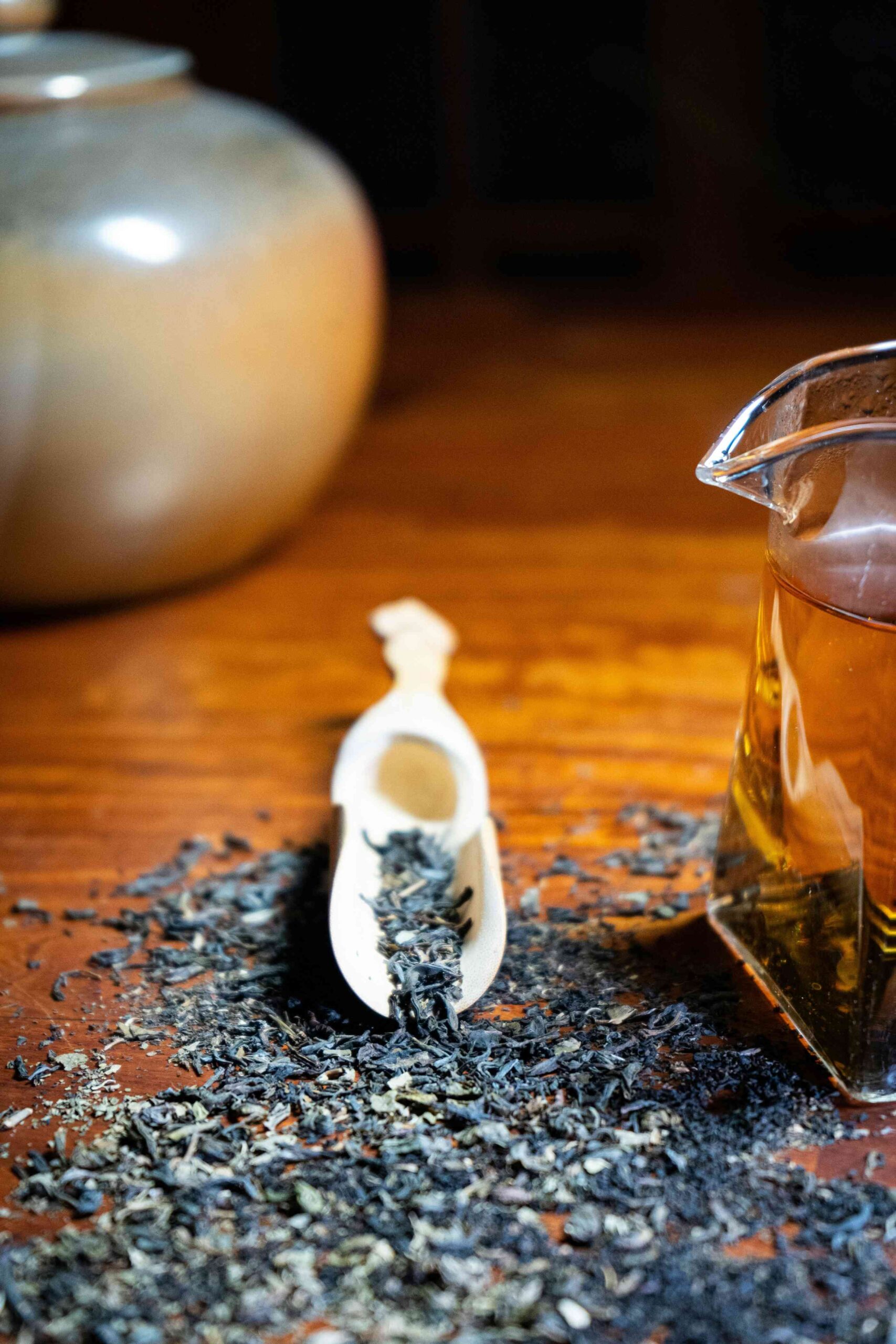
Depression affects millions of people across the world, and it continues to rise every year. According to the World Health Organization (WHO), over 280 million people live with depression globally (WHO, 2023). While professional treatment remains essential, many people also explore natural ways to support their mental well-being. One soothing and accessible option is herbal teas for depression. These teas offer gentle support, help calm the mind, and may ease symptoms when used consistently.
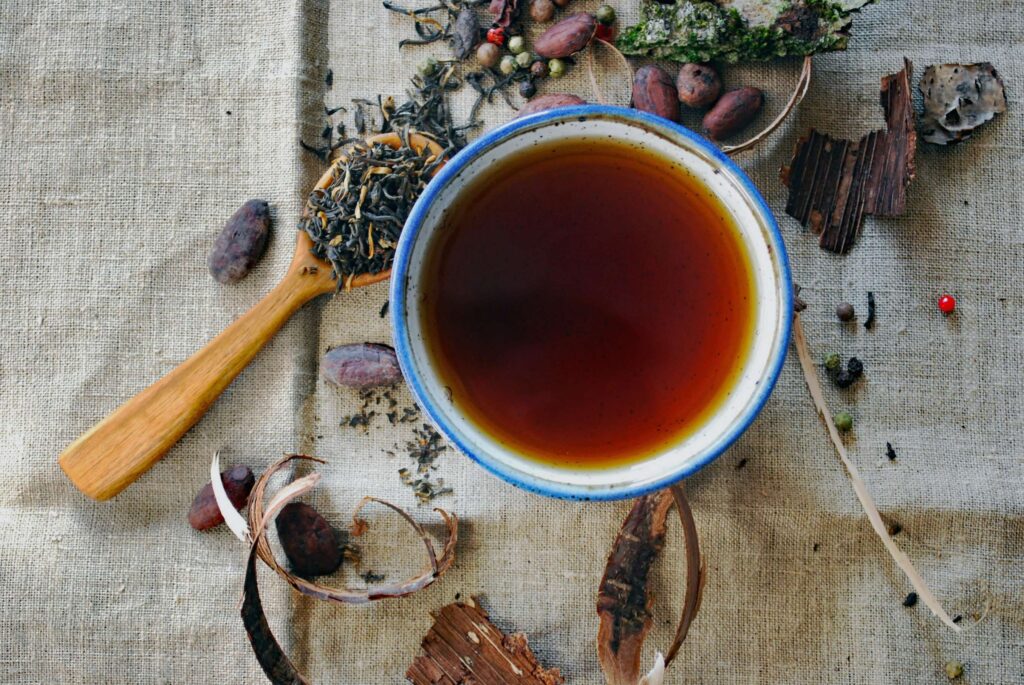
In this article, you will learn how herbal teas for depression work, which blends are most effective, and how to safely add them to your daily routine.
How Herbal Teas Help with Depression
Herbal teas have been used for centuries to support emotional and physical health. When it comes to depression, certain herbs affect the nervous system and help the body relax. Many herbal teas for depression contain natural compounds that reduce stress hormones, promote better sleep, and improve mood regulation.
Some herbs support neurotransmitters like serotonin and dopamine, which play a major role in mood. Others help lower cortisol, the stress hormone linked to depression and anxiety. Many people find that drinking herbal teas for depression creates a comforting daily ritual that reduces emotional tension.
While herbal teas are not a cure, they can complement therapy, medication, and lifestyle changes.
Best Herbal Teas for Depression
Below are some of the most effective herbal teas for depression, backed by research and traditional use.
1. Chamomile Tea
Chamomile is one of the most popular herbal teas for depression because of its calming properties. Research shows that chamomile can reduce symptoms of anxiety and mild depression. A study published in Phytomedicine found that people who consumed chamomile extract had significant reductions in anxiety and depressive symptoms (Amsterdam et al., 2012).
Chamomile helps relax the nervous system, improve sleep, and ease emotional tension.
2. Lavender Tea
Lavender is well-known for its soothing scent, but drinking lavender tea offers similar calming effects. It supports the nervous system and may reduce low mood, stress, and insomnia. Many people rely on lavender as one of their preferred herbal teas for depression because it promotes relaxation and emotional balance.
A study in the Journal of Alternative and Complementary Medicine showed that lavender can significantly improve sleep quality and lower stress levels, both of which are important in managing depression.
3. Lemon Balm Tea
Lemon balm has a bright, citrusy aroma and is used to lift mood and reduce stress. As one of the top herbal teas for depression, lemon balm contains compounds that interact with GABA receptors in the brain, helping you feel calmer.
A clinical study found that lemon balm reduced anxiety by up to 18% and improved mood by up to 15% (Coulson & Khan, 2014). It is gentle enough for daily use.
4. Green Tea
Green tea is rich in L-theanine, an amino acid that increases relaxation without causing drowsiness. Many people choose green tea as part of their herbal teas for depression routine because it supports focus, balances mood, and reduces stress.
A study published in Nutrients reported that L-theanine reduces anxiety and improves sleep quality, which can lower the risk of depression over time.
5. St. John’s Wort Tea
St. John’s Wort is one of the most researched herbs for depression. It is widely used as an herbal supplement and as a tea. Studies show that St. John’s Wort can be as effective as antidepressants for mild to moderate depression (Linde et al., 2017).
However, this herb interacts with many medications, including antidepressants, birth control, and heart medicines. Always speak with a doctor before adding it to your herbal teas for depression plan.
6. Passionflower Tea
Passionflower is traditionally used to calm the mind and reduce nervous tension. It works well as one of the gentler herbal teas for depression, especially for people who struggle with racing thoughts or sleep problems.
Research published in the Journal of Clinical Pharmacy and Therapeutics shows that passionflower can reduce anxiety levels and may help improve mood.
How to Use Herbal Teas for Depression Safely
Even though most herbal teas for depression are safe, you should use them mindfully. Here are helpful tips:
1. Be Consistent
Herbal teas work best when used regularly. Drink 1–2 cups daily to feel long-term benefits.
2. Start with Small Amounts
Begin with one cup to see how your body responds.
3. Watch for Interactions
Some herbs, like St. John’s Wort, interact with medications. If you take regular prescriptions, ask your doctor before drinking new herbal teas for depression.
4. Choose High-Quality Products
Pick organic, pesticide-free teas to avoid chemical exposure.
5. Create a Relaxing Routine
Turn tea time into a mindful ritual. Enjoy your herbal teas for depression in a calm space, breathe deeply, and allow yourself to unwind.
Other Natural Ways to Support Depression
While herbal teas for depression can help, they work best alongside other healthy habits. Consider combining tea with:
Regular physical activity
Exercise increases endorphins and decreases depressive symptoms.
Healthy sleep
Most adults need 7–9 hours of restful sleep.
Balanced diet
Foods rich in omega-3s, whole grains, and leafy greens support brain health.
Therapy and medical care
Professional help remains the strongest tool for managing depression.
Mindfulness and relaxation
Meditation, deep breathing, and journaling can reduce stress and improve emotional regulation.
Final Thoughts
Using herbal teas for depression is a gentle and natural way to support your mood. Herbs like chamomile, lavender, lemon balm, green tea, St. John’s Wort, and passionflower offer calming effects that can ease stress and emotional tension. While these teas are not a replacement for medical treatment, they can become a comforting part of your daily wellness routine.
If you or someone you love lives with depression, consider adding herbal teas for depression to your daily rituals. With consistency and mindful use, these teas can help create moments of peace, comfort, and emotional balance.

Kevin Fletcher is a seasoned writer with over 10 years of experience crafting engaging and informative content in the health, fitness, and wellness industries. Passionate about helping readers live healthier lives, Kevin combines research-backed insights with practical tips to inspire positive change.