
Now Reading: Calming Teas for Anxiety: Gentle Support for Mind and Body
-
01
Calming Teas for Anxiety: Gentle Support for Mind and Body
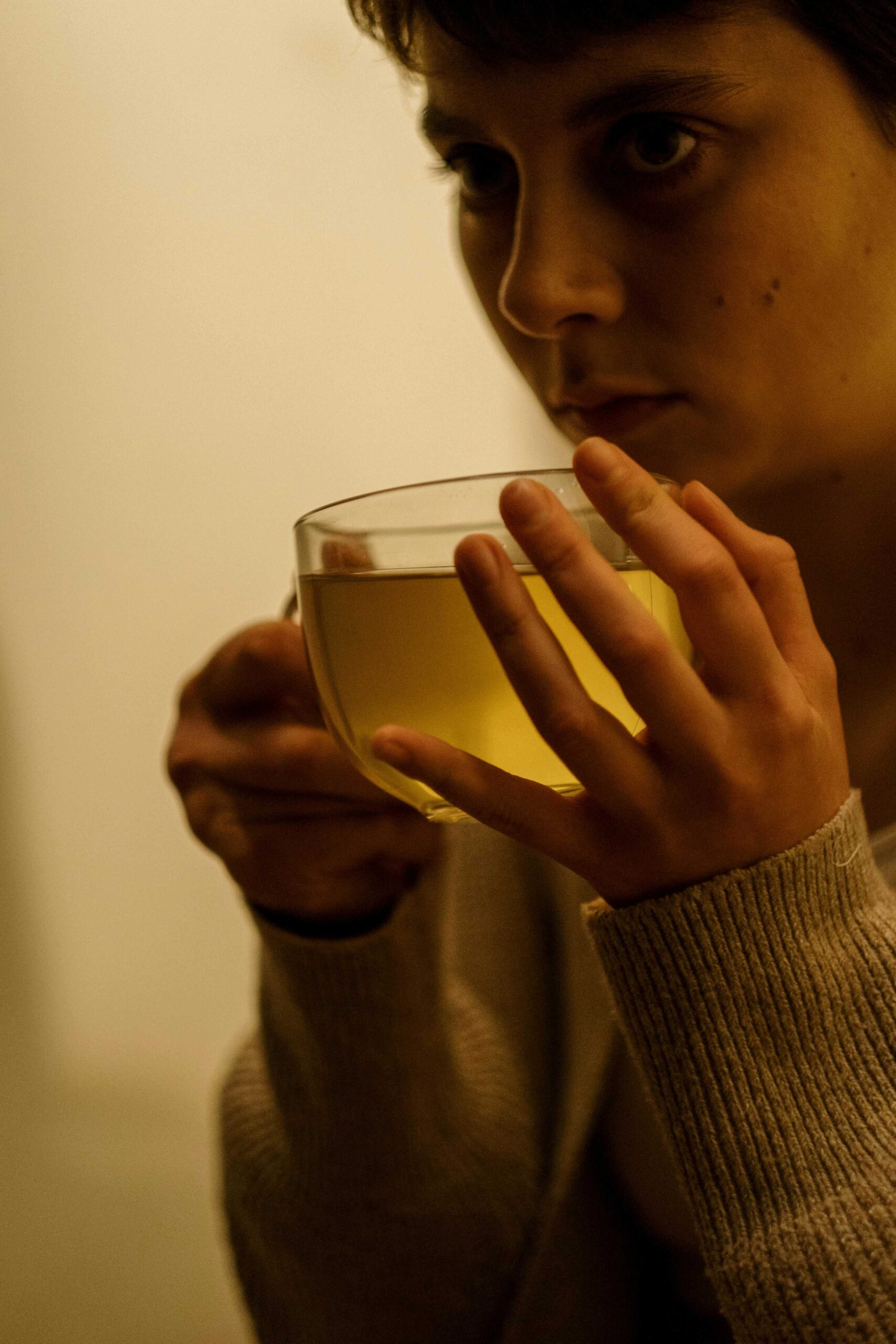
Anxiety can be tough, especially when your thoughts race and your body feels tense. Many people want simple, natural ways to feel calmer without strong side effects. Calming teas for anxiety can help with this. While tea is not a cure, it can support relaxation and offer a soothing daily routine.
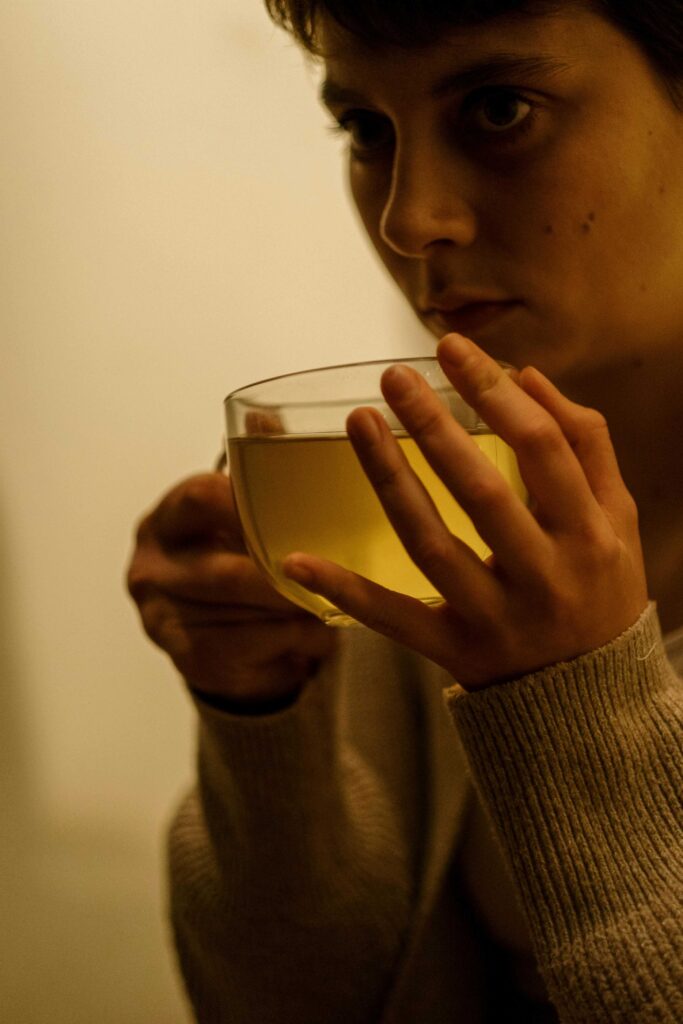
These teas use warmth, aroma, and natural ingredients to signal your body to slow down. Used regularly, they can be a gentle part of your wellness routine.
Why Tea Feels So Relaxing
Tea feels relaxing for several reasons. Making tea gives you a chance to pause, breathe, and slow down. This simple habit helps your body’s system for rest and calm.
Research shows that warm drinks can make you feel more comfortable and relaxed. Frontiers in Psychology reports that things like warmth and aroma can lower stress in the brain (https://www.frontiersin.org). This is why calming teas for anxiety feel soothing even before the herbs start working.
Benefits of Drinking Calming Teas for Anxiety
These teas may ease tension, help digestion, and improve sleep. Many contain compounds that affect GABA or serotonin pathways.
A review in Nutrients found that several herbal teas can mildly or moderately reduce anxiety, especially with regular use (https://www.mdpi.com). Tea also helps you stay hydrated, which is important for mood and thinking.
Types of Tea Used for Anxiety Relief
Not all teas work the same. Knowing the different types can help you pick the best calming teas for anxiety.
Herbal teas do not have caffeine and are often chosen for anxiety. Green and matcha teas have caffeine but also L-theanine, which helps you feel calm and alert. Blended teas mix several calming herbs for more support.
If caffeine affects you, choose herbal calming teas for anxiety, especially at night.
Best Calming Teas for Anxiety
Different herbs help you relax in different ways. The best calming tea for anxiety depends on your symptoms, how sensitive you are, and when you plan to drink it.
Chamomile Tea
Chamomile is one of the most popular calming teas for anxiety. It contains apigenin, a compound that binds to brain receptors linked to relaxation. A clinical trial in Phytomedicine showed that chamomile significantly reduced anxiety symptoms in people with generalized anxiety disorder (https://pubmed.ncbi.nlm.nih.gov/24716477/).
Chamomile also helps with sleep, so it is a good choice for anxiety at night.
Peppermint Tea
Peppermint tea helps relax your digestive system, which can get tense during anxiety. It does not make you sleepy, but it can ease physical discomfort that makes anxiety worse.
Peppermint is especially good for stomach problems caused by stress. Many people use it as one of their calming teas for anxiety with digestive symptoms.
Lemon Balm Tea
Lemon balm helps with mood and calm focus. Studies show it may lower anxiety and help you think better under stress. Research in Nutrients supports lemon balm’s calming and mood-balancing effects (https://www.mdpi.com).
Lemon balm is gentle and works well during the day.
Lavender Tea
Lavender helps both when you smell it and when you drink it. Its scent alone can calm your nervous system. A study in Evidence-Based Complementary and Alternative Medicine found lavender reduced anxiety and improved sleep quality (https://www.hindawi.com).
Lavender tea is helpful if anxiety affects your sleep.
Green Tea (Low-Caffeine or Decaf)
Green tea has L-theanine, an amino acid that helps you feel calm but alert. L-theanine boosts alpha brain waves, which help you focus calmly. Research in Nutrients links L-theanine with less stress and anxiety (https://www.mdpi.com).
Pick low-caffeine or decaf green tea if caffeine makes your anxiety worse.
Passionflower Tea
Passionflower helps GABA activity, which can calm racing thoughts. A study in Journal of Clinical Pharmacy and Therapeutics found passionflower worked for mild anxiety (https://pubmed.ncbi.nlm.nih.gov/11679026/).
It is a good choice as an evening calming tea for anxiety.
Valerian Root Tea
Valerian is more sedating and is best for short-term use. It may help with anxiety that affects sleep but can be too strong to use during the day.
Be careful with valerian and do not mix it with sleep medicines.
Holy Basil (Tulsi) Tea
Holy basil is an adaptogen, which means it helps your body handle stress. Research shows it may lower cortisol and support emotional balance (https://www.ncbi.nlm.nih.gov).
Holy basil is helpful for ongoing stress and mild anxiety.
Ashwagandha Tea
Ashwagandha helps your body handle stress and keeps your nervous system balanced. Clinical studies show it can lower anxiety and stress markers (https://journals.lww.com).
It is common in teas targeting long-term stress.
Fennel and Mint Teas
When your digestion is calm, you often feel calmer emotionally too. Fennel and mint can reduce bloating and tension, which helps with anxiety linked to the gut.
Herbal Blends to Try for Anxiety
Herbal blends mix several calming herbs for a balanced effect. Look for blends with chamomile, lemon balm, lavender, and passionflower. Pick products with clear labels and no added caffeine. If you want gentle, broad support from calming teas for anxiety.
Caffeinated Teas and Anxiety
Caffeine can make anxiety symptoms like a fast heartbeat and restlessness worse. Some people do fine with a little green tea, but others feel more anxious.
If you feel more anxious, avoid caffeinated teas and pick herbal calming teas for anxiety instead.
How to Choose the Right Calming Tea for Anxiety
Pick teas that fit your needs. Lemon balm or holy basil are good for daytime anxiety. Chamomile or lavender work better at night.
Taste matters too. The best calming teas for anxiety are the ones you like and will drink often.
How to Make Calming Teas More Effective
Steep herbal teas for at least 5–10 minutes to release active compounds. Drink tea in a quiet space and pair it with slow breathing.
Turning tea time into a calming ritual enhances the benefits of calming teas for anxiety.
When to Talk With a Doctor
If anxiety gets in the way of your daily life, talk to a healthcare professional. Some herbs can interact with medicines or may not be safe during pregnancy.
Tea supports calm but does not replace therapy or medical care.
Trusted Video Resource
The Cleveland Clinic explains natural ways to manage anxiety, including herbal options and lifestyle support:
Conclusion
Calming teas for anxiety give gentle, easy support for stress and emotional tension. From chamomile to lemon balm, these teas help your body slow down and your mind find balance. When used regularly and safely, calming teas for anxiety can be a simple but powerful self-care tool.
References
- Phytomedicine – Chamomile and anxiety
https://pubmed.ncbi.nlm.nih.gov/24716477/ - Nutrients – Lemon balm and L-theanine research
https://www.mdpi.com - Frontiers in Psychology – Sensory relaxation and stress
https://www.frontiersin.org - Journal of Clinical Pharmacy and Therapeutics – Passionflower and anxiety
https://pubmed.ncbi.nlm.nih.gov/11679026/ - National Center for Biotechnology Information – Adaptogens and stress
https://www.ncbi.nlm.nih.gov - Cleveland Clinic – Anxiety education
https://my.clevelandclinic.org

Kevin Fletcher is a seasoned writer with over 10 years of experience crafting engaging and informative content in the health, fitness, and wellness industries. Passionate about helping readers live healthier lives, Kevin combines research-backed insights with practical tips to inspire positive change.