
Now Reading: Best Coping Strategies for Social Anxiety
-
01
Best Coping Strategies for Social Anxiety

Social anxiety affects millions of people around the world. In fact, research shows that about 7% of adults in the United States experience social anxiety disorder each year (National Institute of Mental Health, 2023). Many people struggle with fear of judgment, embarrassment, or rejection, especially in social situations. The good news is that you can learn effective ways to manage these feelings. In this article, we explore the best coping strategies for social anxiety that can help you feel more confident, calm, and in control.
Understanding Social Anxiety
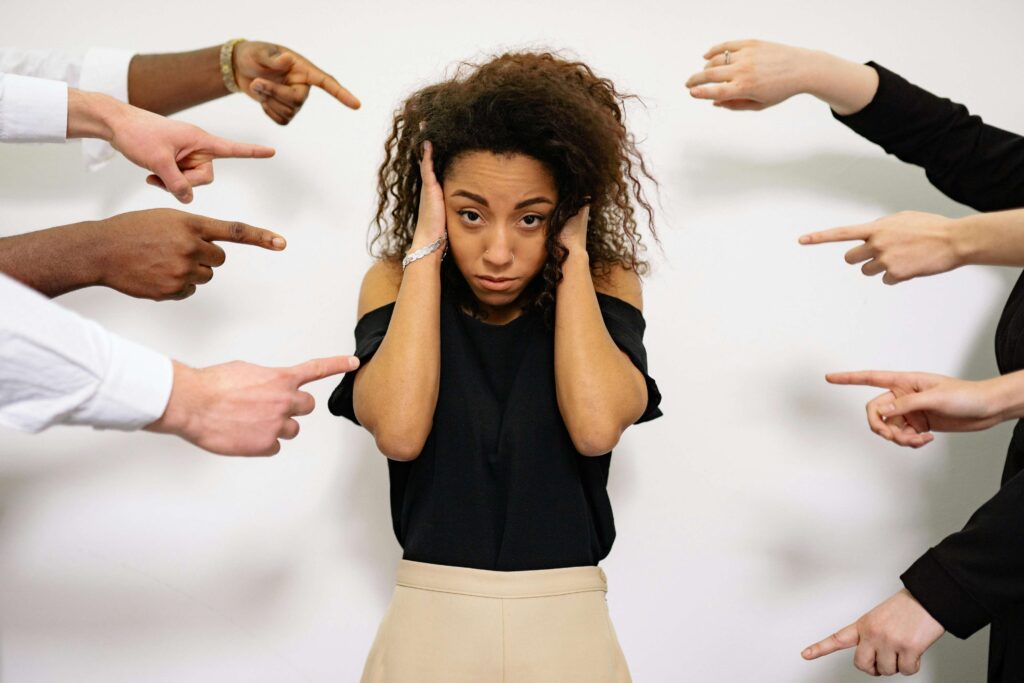
Social anxiety goes beyond simple shyness. It involves intense fear or distress in social settings, such as speaking in public, meeting new people, or participating in group activities. People with social anxiety often overthink their actions and worry about how others might perceive them. While social anxiety can feel overwhelming, you can work through it with the right tools and mindset.
Why You Need the Best Coping Strategies for Social Anxiety
Finding the best coping strategies for social anxiety gives you a sense of direction and hope. These strategies help you manage symptoms, reduce stress, and regain your confidence. They also support you in building healthier relationships and improving your overall mental well-being. Small steps can make a big difference, especially when you apply them consistently.
Practical and Effective Coping Strategies
Below are some of the best coping strategies for social anxiety that you can start using today. They are simple, practical, and suitable for everyday life.
1. Challenge Negative Thoughts
Negative thoughts fuel social anxiety. You may think:
- “Everyone is judging me.”
- “I’ll embarrass myself.”
- “I can’t handle this situation.”
These thoughts are automatic, but you can challenge them. Ask yourself:
- “Do I have evidence for this thought?”
- “What would I say to a friend in this situation?”
- “Is there another explanation?”
By questioning negative beliefs, you weaken their power. According to cognitive-behavioral research, reframing negative thoughts significantly reduces anxiety symptoms and improves self-confidence (Beck Institute, 2022). Practicing this daily helps you gain control over your inner dialogue.
2. Practice Slow, Deep Breathing
Slow breathing signals your body to relax. When you face a stressful social moment, your heart may race, and your muscles may tense. Deep breathing helps reverse this response.
Try this simple technique:
- Inhale through your nose for 4 seconds.
- Hold for 2 seconds.
- Exhale through your mouth for 6 seconds.
- Repeat for 5–10 cycles.
This exercise lowers your stress response and helps you stay present. Breathing effectively is one of the best coping strategies for social anxiety, especially during sudden spikes of fear.
3. Start With Small Social Steps
Exposure to social situations, done gradually, can reduce fear over time. Research shows that gradual exposure helps the brain build tolerance to anxiety triggers (American Psychological Association, 2023). Start with small steps:
- Say hello to a coworker.
- Join a short conversation.
- Ask a simple question in a group setting.
As your confidence grows, you can move toward larger challenges. Celebrate each step, no matter how small.
4. Use Grounding Techniques to Stay Present
Grounding techniques keep your focus on the current moment instead of worrying about what others think. One of the best grounding exercises is the 5-4-3-2-1 method:
- Name 5 things you can see.
- Name 4 things you can touch.
- Name 3 things you can hear.
- Name 2 things you can smell.
- Name 1 thing you can taste.
This simple practice can calm your mind and body within minutes. It is one of the best coping strategies for social anxiety because it keeps your attention away from negative thoughts.
5. Prepare Ahead for Social Situations
Preparation reduces uncertainty. If you know you’ll attend a meeting, party, or event, prepare a few conversation starters. Some ideas include:
- Asking someone about their hobbies
- Commenting on something in the environment
- Asking about work or interests
Preparation helps you feel more confident and decreases fear about awkward moments.
6. Build a Support System
Connecting with trusted friends, family, or support groups helps reduce isolation. According to mental health studies, strong social support improves emotional resilience and lowers anxiety levels (Mental Health Foundation, 2023). Sharing your feelings with someone you trust can bring comfort, validation, and advice.
You can also consider joining online or in-person groups where people discuss coping with anxiety. Knowing that others understand your experience helps you feel less alone.
7. Limit Caffeine and Sugar
Caffeine and sugar can increase your heart rate and make you feel jittery, which may worsen anxiety symptoms. Many people report feeling more relaxed after reducing or avoiding coffee, energy drinks, and sugary snacks. This simple lifestyle change can support the best coping strategies for social anxiety by preventing unnecessary triggers.
8. Practice Self-Compassion
Be kind to yourself. Social anxiety can make you feel inadequate or flawed, but you are not alone. Speak to yourself gently, just as you would speak to a friend. Practicing self-compassion encourages growth, patience, and confidence. Remember, overcoming social anxiety is a journey, not a race.
When to Seek Professional Support
While the best coping strategies for social anxiety can help you manage everyday challenges, you may need professional support if anxiety disrupts your work, relationships, or daily life. Therapies like Cognitive Behavioral Therapy (CBT) are highly effective. In fact, CBT is considered the gold-standard treatment for social anxiety and has a high success rate in reducing symptoms (Anxiety and Depression Association of America, 2023).
Medication may also be an option if symptoms are severe. A licensed therapist or doctor can help you explore the right treatment plan.
Final Thoughts
Finding the best coping strategies for social anxiety can transform the way you interact with the world. These tools help you stay grounded, challenge negative thoughts, and take small, meaningful steps toward confidence. Remember, progress takes time. Celebrate your courage each day and be gentle with yourself. With practice, support, and patience, you can manage social anxiety and live a more fulfilling, connected life.

Kevin Fletcher is a seasoned writer with over 10 years of experience crafting engaging and informative content in the health, fitness, and wellness industries. Passionate about helping readers live healthier lives, Kevin combines research-backed insights with practical tips to inspire positive change.