
Now Reading: Anxiety Relief Apps That Help You Calm Your Mind
-
01
Anxiety Relief Apps That Help You Calm Your Mind
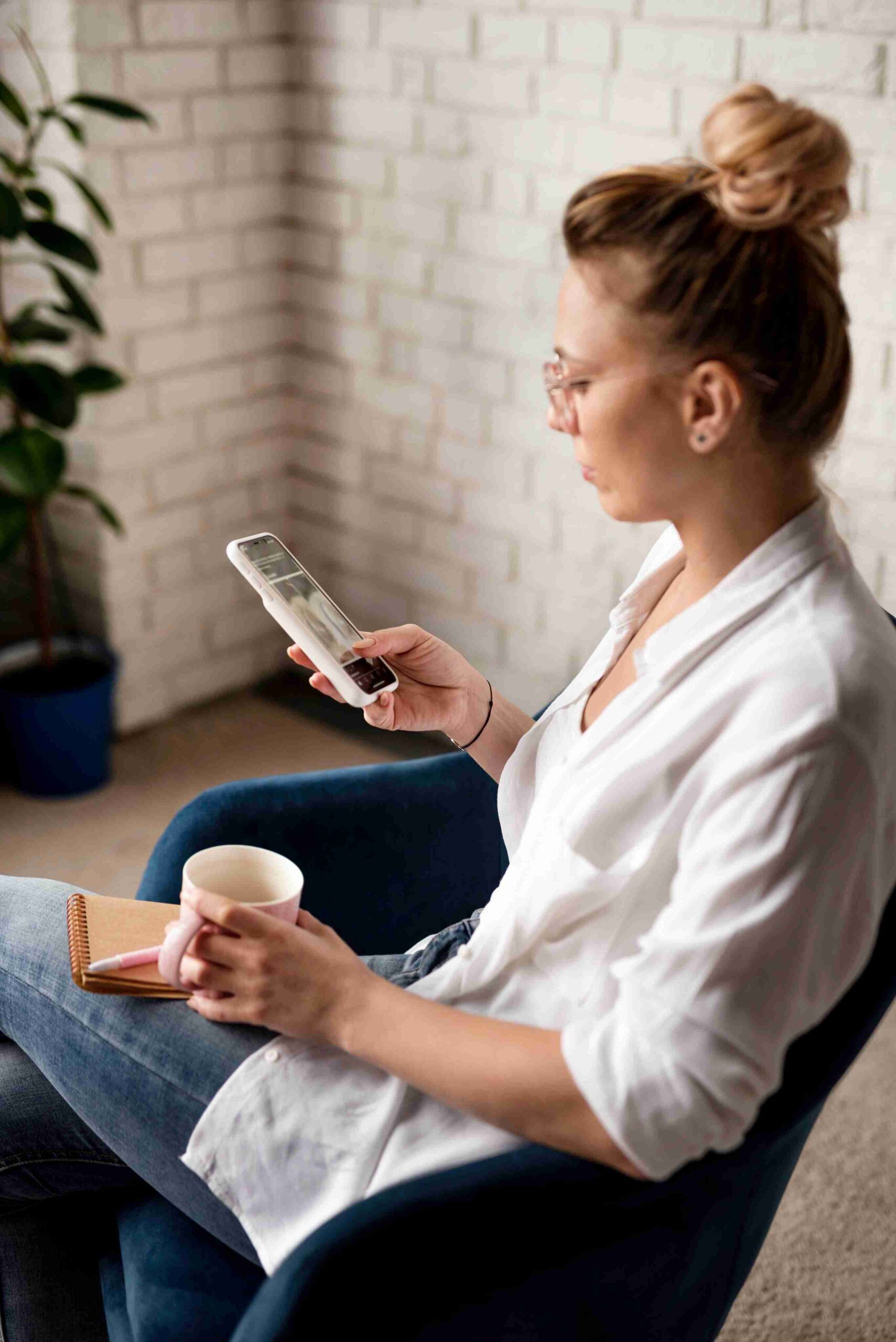
Anxiety often appears when you least expect it. You might notice racing thoughts, trouble breathing, or sudden fear that seems to come out of nowhere. While therapy and medication help many, not everyone can get professional care right away. That’s when anxiety relief apps can really help.
Anxiety relief apps give you practical tools you can use anytime, anywhere. They include breathing exercises, calming methods, and support when anxiety strikes. For many, these apps are a first step toward better mental health or a helpful addition to therapy.
This article covers how anxiety relief apps work, which ones are worth trying, and how to pick the best app for you.
How Anxiety Relief Apps Help Manage Anxiety
Anxiety relief apps use proven methods to help calm your body and mind. Many are based on cognitive behavioral therapy (CBT), mindfulness, and breathing exercises. These techniques can break anxious thought patterns and help you feel more balanced.
Research shows that digital mental health tools can help. The National Institutes of Health reports that digital CBT tools can lower anxiety symptoms, especially for mild to moderate cases
(https://www.ncbi.nlm.nih.gov/pmc/articles/PMC5673564/).
Anxiety relief apps also help users build daily habits. Regular use trains the brain to respond differently to stress over time.
Benefits of Using Anxiety Relief Apps
There are several reasons why people find anxiety relief apps helpful.
- They provide instant access during anxious moments.
- Many apps are free or low-cost.
- They offer private, judgment-free support.
- They help users practice coping skills daily.
- They complement therapy and medication.
Since these apps are simple to use, they often feel less overwhelming than traditional mental health tools.
Best Anxiety Relief Apps You Can Try Today
Calm
Calm is a popular anxiety relief app used around the world. It offers guided meditation, breathing exercises, and help with sleep. Calm is a good choice for people dealing with stress and trouble sleeping.
Studies show that mindfulness apps like Calm can reduce stress and improve emotional well-being
(https://www.ncbi.nlm.nih.gov/pmc/articles/PMC4940234/).
Sanvello
Sanvello combines CBT techniques with mood tracking and guided coping tools. It helps users identify anxiety triggers and challenge negative thought patterns.
This app is a good fit for people with ongoing anxiety or anxiety mixed with depression. Sanvello is known for its structured approach.
MindShift CBT
MindShift CBT was designed specifically for anxiety disorders. It focuses on social anxiety, panic, worry, and phobias. The app teaches users how to face their fears rather than avoid them.
Mental health professionals often suggest MindShift CBT because it uses proven CBT strategies.
Self-Help for Anxiety Management (SAM)
SAM gives you practical tools to manage anxiety symptoms. It includes ways to track anxiety, relax, and monitor your progress.
This app is great for people who prefer hands-on tools instead of guided meditation. SAM stands out because it helps you build self-awareness.
Breathe2Relax
Breathe2Relax teaches diaphragmatic breathing. This type of controlled breathing can calm your body and ease physical symptoms of anxiety.
Experts helped develop this app, and it’s often recommended for panic attacks and times of high stress.
Stop, Breathe & Think
Stop, Breathe & Think encourages emotional check-ins before offering short guided exercises. The app helps users pause and respond thoughtfully to anxiety.
This approach makes it a beginner-friendly option among anxiety relief apps.
7 Cups
7 Cups gives you emotional support from trained listeners and peer groups. You can chat anonymously when anxiety feels too much to handle.
While it’s not a replacement for therapy, 7 Cups offers connection, which can be very important during anxious times.
Free vs Paid Anxiety Relief Apps
Many anxiety relief apps have both free and paid options. Free versions usually include basic breathing exercises, short meditations, or mood tracking. Paid versions give you access to more structured programs, extra content, and personal guidance.
Free apps are helpful for occasional anxiety. Paid apps are often better for people with ongoing stress who want long-term support.
Are Anxiety Relief Apps Effective?
Evidence suggests that anxiety relief apps can reduce anxiety symptoms when used consistently. A meta-analysis published in JMIR Mental Health found that mobile mental health apps led to significant reductions in anxiety symptoms
(https://mental.jmir.org/2017/3/e42/).
However, these apps work best if you use them often. Remember, anxiety relief apps are helpful tools, but not quick fixes.
How to Choose the Right Anxiety Relief App
Choosing the right anxiety relief app depends on your main concern. If panic attacks are the issue, breathing-focused apps work best. If worry and overthinking dominate, CBT-based apps may be more helpful.
Look for anxiety relief apps that:
- Use evidence-based methods
- Have clear privacy policies
- Feel easy and calming to use
Trying out two or three apps can help you find the one that works best for you.
Anxiety Relief Apps vs Therapy
Anxiety relief apps can support your mental health, but they are not a replacement for therapy. Apps help you manage symptoms and build coping skills, while therapy looks at deeper emotional issues.
Many therapists encourage using anxiety relief apps between sessions to reinforce progress.

Safety, Privacy, and Data Concerns
Your mental health data is private and sensitive. Always read privacy policies before using any anxiety relief app. Stay away from apps that claim to cure anxiety or make big medical promises.
Trustworthy apps will clearly explain how they keep your data safe.
When to Seek Professional Help
If anxiety leads to panic attacks, depression, or makes daily life hard, it’s important to get professional help. Anxiety relief apps are meant to support your care, not replace it.
The American Psychological Association recommends seeking professional support for persistent anxiety
(https://www.apa.org/topics/anxiety).
Final Thoughts on Anxiety Relief Apps
Anxiety relief apps make it easier than ever to get mental health support. They help you practice staying calm, manage stress, and handle anxiety better.
When you use them regularly and with care, anxiety relief apps can be powerful tools for building emotional strength and feeling better every day.
Recommended YouTube Resource
TED – How to Manage Anxiety
References
- National Institutes of Health – Digital CBT and Anxiety
https://www.ncbi.nlm.nih.gov/pmc/articles/PMC5673564/ - NIH – Mindfulness and Mental Health
https://www.ncbi.nlm.nih.gov/pmc/articles/PMC4940234/ - JMIR Mental Health – Mobile Apps for Anxiety
https://mental.jmir.org/2017/3/e42/ - American Psychological Association – Anxiety Disorders
https://www.apa.org/topics/anxiety

Kevin Fletcher is a seasoned writer with over 10 years of experience crafting engaging and informative content in the health, fitness, and wellness industries. Passionate about helping readers live healthier lives, Kevin combines research-backed insights with practical tips to inspire positive change.