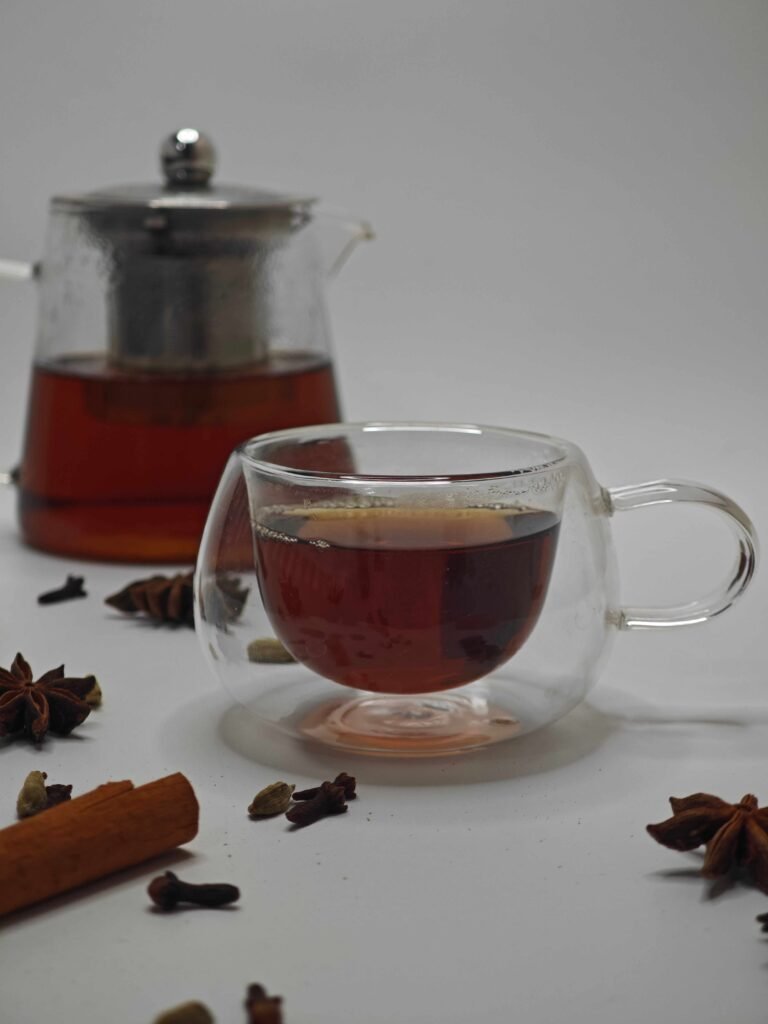

Now Reading: Peppermint Tea Side Effects: Blood Pressure: Complete Guide
-
01
Peppermint Tea Side Effects: Blood Pressure: Complete Guide
Introduction
Herbal teas have become a daily habit for many people. They feel natural, calming, and easy to include in a wellness routine.
Peppermint tea is one of the most popular choices. It helps with digestion, relaxation, and stress relief.
However, many people now ask about the side effects of peppermint tea, its effects on blood pressure, and whether it is safe to drink regularly.
In this guide, we will explore both the benefits and risks so you can make informed choices.
What Is Peppermint Tea?
Peppermint tea is made from the leaves of the peppermint plant. It contains menthol, which gives it a refreshing taste and cooling effect.
People often drink peppermint tea for digestion and relaxation. It is caffeine-free, making it suitable for evening use.
While it offers many benefits, understanding peppermint tea’s side effects on blood pressure is important for safe use.
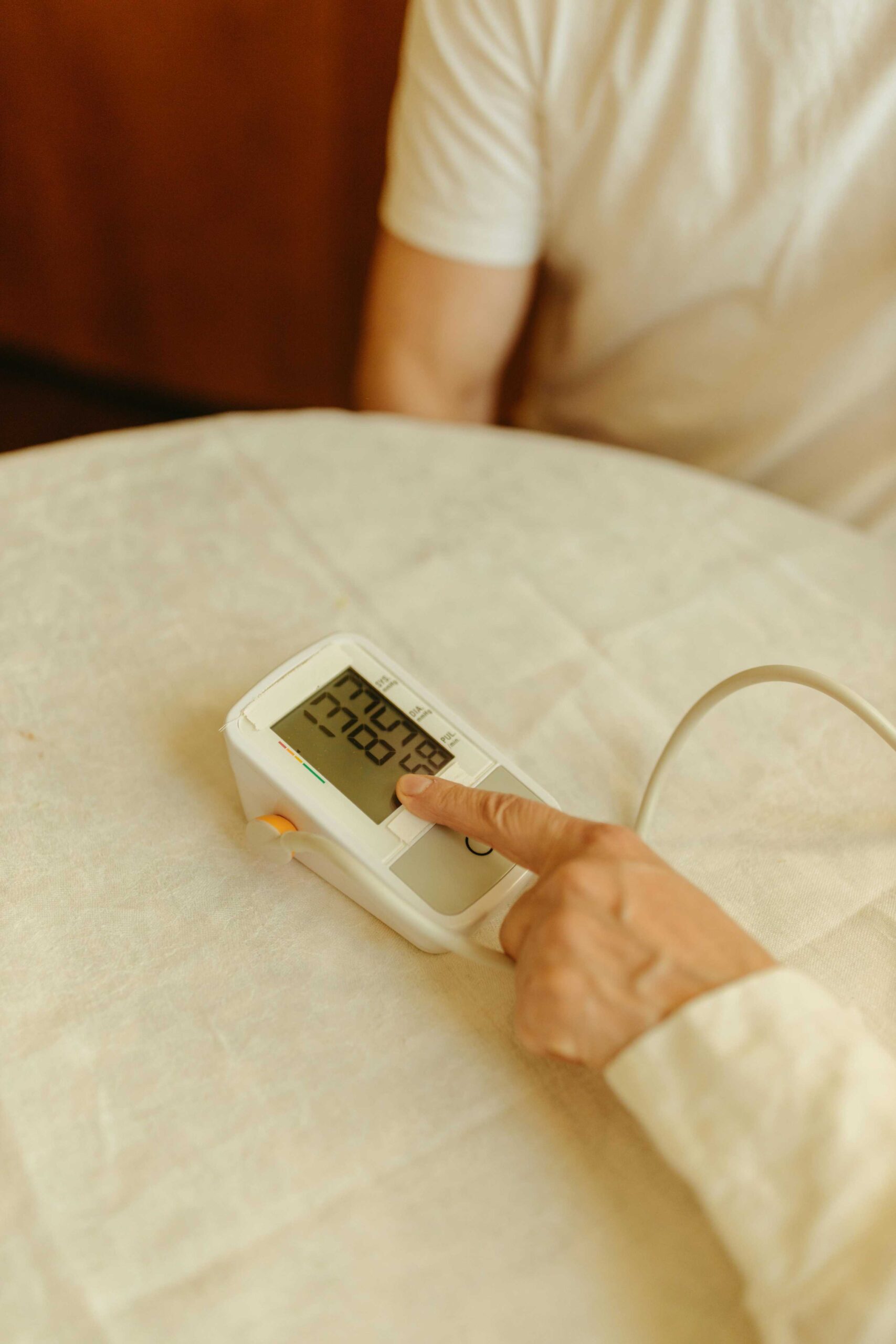
Does Peppermint Tea Affect Blood Pressure?
Peppermint tea may have a mild relaxing effect on blood vessels. This can slightly lower blood pressure in some people.
For individuals with high blood pressure, this effect may be helpful. However, it is not a treatment or replacement for medication.
According to the American Heart Association, lifestyle choices can influence blood pressure. Herbal teas like peppermint may play a small supportive role. Still, it is important to understand peppermint tea’s side effects on blood pressure before using it regularly.y.
Peppermint Tea Side Effects: Blood Pressure
Let’s take a closer look at the possible peppermint tea side effects on blood pressure and how they may affect your health.
1. May Lower Blood Pressure Too Much
Peppermint tea may slightly reduce blood pressure. For people with already low blood pressure, this can cause problems.
This is one of the key side effects of peppermint tea to consider for blood pressure.
2. Interaction With Blood Pressure Medications
If you take medication for hypertension, peppermint tea may enhance its effects.
This could lead to a drop in blood pressure. Always consult a doctor if you are unsure.
Understanding the effects of peppermint tea on blood pressure helps avoid unwanted interactions.
3. Dizziness or Lightheadedness
A sudden drop in blood pressure can lead to dizziness. Some people may feel lightheaded after drinking peppermint tea.
This is a possible side effect of peppermint tea for blood pressure concerns, especially in sensitive individuals.
4. Impact on Heart Rate
Peppermint tea has a relaxing effect on the body. This may slightly influence heart rate in some cases.
While usually mild, it is still one of the side effects of peppermint tea, and there are blood pressure considerations.
5. Risk for People With GERD
Peppermint tea can relax the lower esophageal sphincter. This may worsen acid reflux.
People with GERD should be cautious about the potential effects of peppermint tea on blood pressure.
6. Allergic Reactions
Although rare, some people may experience allergic reactions.
Symptoms may include itching or swelling. This is another factor to consider when evaluating the effects of peppermint tea on blood pressure.
7. Blood Sugar Interaction
Peppermint tea may slightly affect blood sugar levels.
For people with diabetes, this can interact with medications. It is another point to consider when reviewing the effects of peppermint tea on blood pressure.
Benefits of Peppermint Tea
Despite the risks, peppermint tea offers many benefits.
It helps improve digestion and reduces bloating. It also supports relaxation and reduces stress.
According to Healthline, peppermint tea contains antioxidants that support overall health.
Balancing the benefits of peppermint tea with its side effects, blood pressure is key to safe use.
Who Should Avoid Peppermint Tea?
Some people should be cautious when drinking peppermint tea.
Individuals with low blood pressure may experience unwanted effects. Pregnant women should consult a doctor before use.
People taking medications should also be careful. Knowing peppermint tea’s side effects on blood pressure helps you decide if it is right for you.
How Much Peppermint Tea Is Safe?
Moderation is important when using peppermint tea.
Most people can safely drink 1–2 cups daily. This amount provides benefits without increasing risk.
Limiting intake helps reduce the side effects of peppermint tea and concerns about blood pressure.
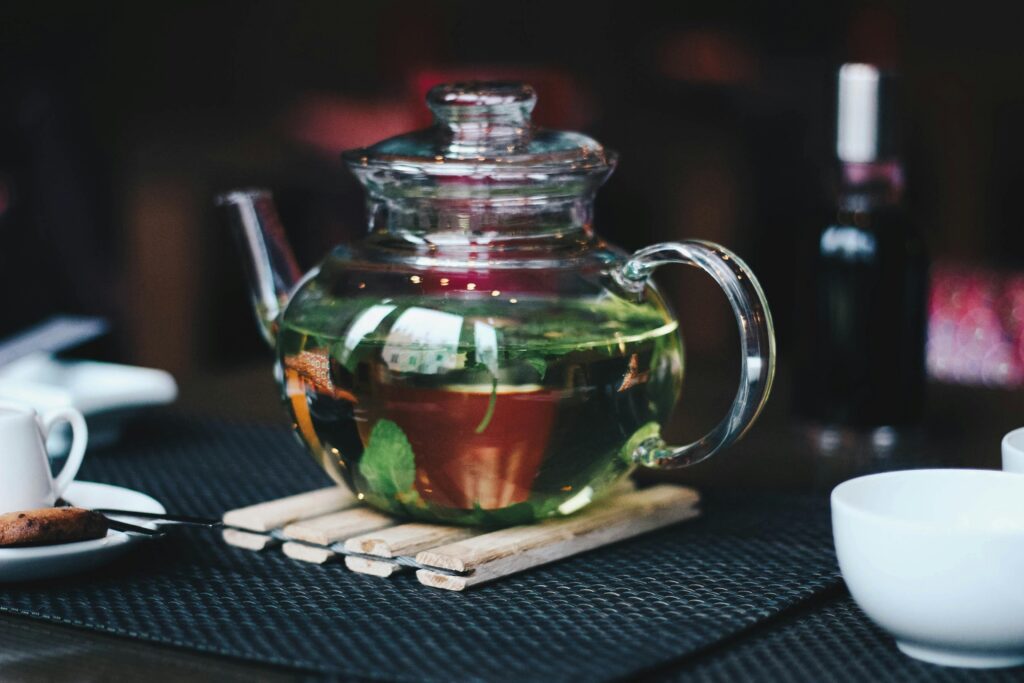
Tips to Drink Peppermint Tea Safely
Start with small amounts and observe how your body reacts.
Avoid drinking peppermint tea on an empty stomach if you are sensitive to it. Stay hydrated and maintain a balanced diet.
These simple steps help you manage peppermint tea side effects and blood pressure safely.
Conclusion
Peppermint tea is a simple and natural way to support wellness. It offers many benefits, from digestion to relaxation.
However, understanding the effects of peppermint tea on blood pressure is important for safe use.
By drinking it in moderation and paying attention to your body, you can enjoy its benefits without unnecessary risks.
Helpful Video Guide
Check out this helpful video from a trusted source:
FAQs
Does peppermint tea lower blood pressure?
Yes, it may slightly lower blood pressure in some individuals.
Is peppermint tea safe for hypertension?
It may help, but it should not replace medication.
Can peppermint tea cause dizziness?
Yes, especially if blood pressure drops too low.
How much peppermint tea is too much?
More than 2–3 cups daily may increase side effects.
References
- American Heart Association: https://www.heart.org/
- Healthline: https://www.healthline.com/nutrition/peppermint-tea-benefits
- WebMD: https://www.webmd.com/diet/health-benefits-peppermint-tea

Kevin Fletcher is a seasoned writer with over 10 years of experience crafting engaging and informative content in the health, fitness, and wellness industries. Passionate about helping readers live healthier lives, Kevin combines research-backed insights with practical tips to inspire positive change.