
Now Reading: Foods to Reduce Depression and Anxiety: What Science Really Says
-
01
Foods to Reduce Depression and Anxiety: What Science Really Says

Depression and anxiety are common, and many people look for natural ways to improve their mood. While therapy and medication are important, your daily habits also play a role. What you eat can make a real difference.

Research shows that certain foods can reduce depression and anxiety and support brain health, balance mood, and lower inflammation. While food is not a cure, it plays a strong supporting role in mental well-being. This article explains how nutrition affects mental health and highlights the best foods to reduce depression and anxiety, based on science.
How Nutrition Affects Depression and Anxiety
Food is more than just fuel. It affects your brain chemistry, hormones, and nervous system. Eating poorly can make mood swings, tiredness, and stress worse, but eating nutrient-rich foods can help keep your emotions steady.
The Gut–Brain Connection
Your gut and brain are always talking to each other through nerves, hormones, and the immune system. About 90% of serotonin, an important chemical for mood, is made in your gut, not your brain
(Harvard Health).
When your gut is healthy, your brain works better too. That’s why eating the right foods can help you feel more balanced and handle stress more easily.
Best Foods to Reduce Depression and Anxiety
Including nutrient-rich foods in your meals can help your brain and support a steady mood. Here are some of the best foods for mental health, backed by research.
Leafy Green Vegetables
Spinach, kale, Swiss chard, and collard greens are packed with folate, magnesium, and antioxidants. Folate helps your body make dopamine and serotonin, which are important for mood.
A study in the Journal of Psychiatric Research found that low folate levels are linked to higher rates of depression
(source).
Eating leafy greens often is an easy way to support your mood and mental health.
Fatty Fish (Salmon, Sardines, Mackerel)
Fatty fish are among the most researched foods to reduce depression and anxiety. They are rich in omega-3 fatty acids, especially EPA and DHA, which reduce brain inflammation.
A meta-analysis published in JAMA Psychiatry showed that omega-3 supplementation significantly reduced depressive symptoms
(JAMA Psychiatry).
Aim for two servings of fatty fish per week for mental health benefits.
Nuts and Seeds (Brazil Nuts, Walnuts, Pumpkin Seeds)
Nuts and seeds give you selenium, zinc, magnesium, and healthy fats. Brazil nuts are especially high in selenium, which helps keep your mood steady.
Research published in Nutritional Neuroscience found that low selenium levels are associated with increased anxiety and depression
(source).
Eating a small handful of nuts each day can help your emotional health over time.
Turkey, Eggs, and Dairy Products
Turkey, eggs, milk, and yogurt contain tryptophan, an amino acid your body uses to make serotonin. These foods also provide vitamin B12 and high-quality protein.
Low vitamin B12 levels are linked to depressive symptoms, especially in older adults
(National Institutes of Health).
Eating these foods in balance can help keep your energy and mood steady.
Berries and Colorful Vegetables
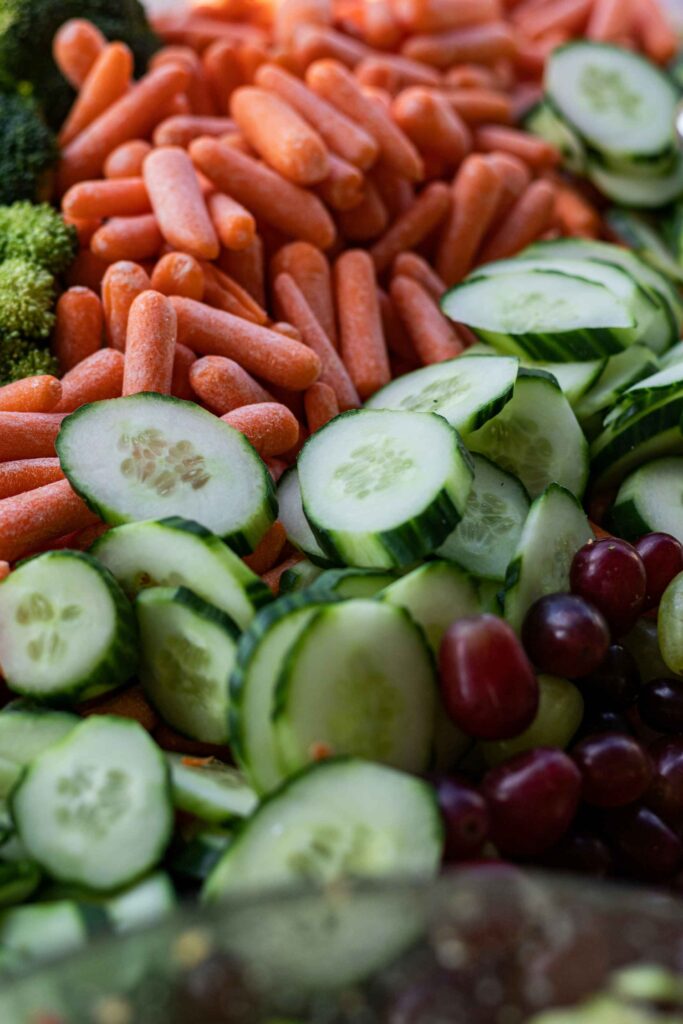
Berries, carrots, tomatoes, and bell peppers are full of antioxidants like vitamin C and beta-carotene. These nutrients help protect your brain cells from damage.
A study in the British Journal of Nutrition found that higher antioxidant intake was associated with lower psychological distress
(source).
Colorful produce deserves a regular place in the diet to help reduce depression and anxiety.
Fermented Foods
Yogurt, kefir, kimchi, and sauerkraut help your gut by adding good bacteria. A healthy gut can lower inflammation and help you manage your emotions better.
A study in Psychiatry Research linked probiotic consumption to reduced anxiety symptoms
(source).
Pick unsweetened fermented foods for the most benefit.
Coffee (In Moderation)
Drinking coffee in moderation may help lower your risk of depression. Caffeine can boost your mood and help you feel more alert if you don’t overdo it.
According to Harvard T.H. Chan School of Public Health, people who drink 2–4 cups of coffee daily have a lower risk of depression
(Harvard).
Excess caffeine can worsen anxiety, so moderation matters.
Foods That May Worsen Depression and Anxiety
Some foods don’t help your mental health and can even make inflammation and mood swings worse.
Ultra-Processed and Junk Foods
Highly processed foods can raise your blood sugar and cause more inflammation. Eating a lot of refined sugar is linked to a higher risk of depression
(American Journal of Clinical Nutrition).
Alcohol
Alcohol acts as a depressant and disrupts sleep and neurotransmitter balance. The World Health Organization reports strong links between alcohol use and depression severity
(WHO).
Cutting back on alcohol can help you recover emotionally.
Simple Dietary Tips for Lasting Mental Health
You don’t need to eat perfectly. Making small, steady changes is more important.
Try adding one or two mood-boosting foods to each meal. Drink enough water, eat on a regular schedule, and combine good nutrition with therapy, sleep, and exercise for the best results.
Helpful Video Resource
If you want a reliable explanation of how nutrition affects mental health, check out this video from Harvard University:
Final Thoughts
Food can’t cure depression or anxiety by itself, but it can help you heal. Eating the right foods can make your brain stronger, improve your gut health, and help you feel more balanced. If you still have symptoms, be sure to reach out to a mental health professional.
References
- Harvard Health – Gut–Brain Connection
https://www.health.harvard.edu/diseases-and-conditions/the-gut-brain-connection - JAMA Psychiatry – Omega-3 and Depression
https://jamanetwork.com/journals/jamapsychiatry/fullarticle/2730046 - Nutritional Neuroscience – Selenium and Mood
https://www.tandfonline.com/doi/abs/10.1080/1028415X.2014.889456 - Psychiatry Research – Probiotics and Anxiety
https://www.sciencedirect.com/science/article/pii/S0165178118305364 - World Health Organization – Depression
https://www.who.int/news-room/fact-sheets/detail/depression

Kevin Fletcher is a seasoned writer with over 10 years of experience crafting engaging and informative content in the health, fitness, and wellness industries. Passionate about helping readers live healthier lives, Kevin combines research-backed insights with practical tips to inspire positive change.