

Now Reading: Walking in Nature for Mental Health: A Simple Habit That Heals the Mind
-
01
Walking in Nature for Mental Health: A Simple Habit That Heals the Mind
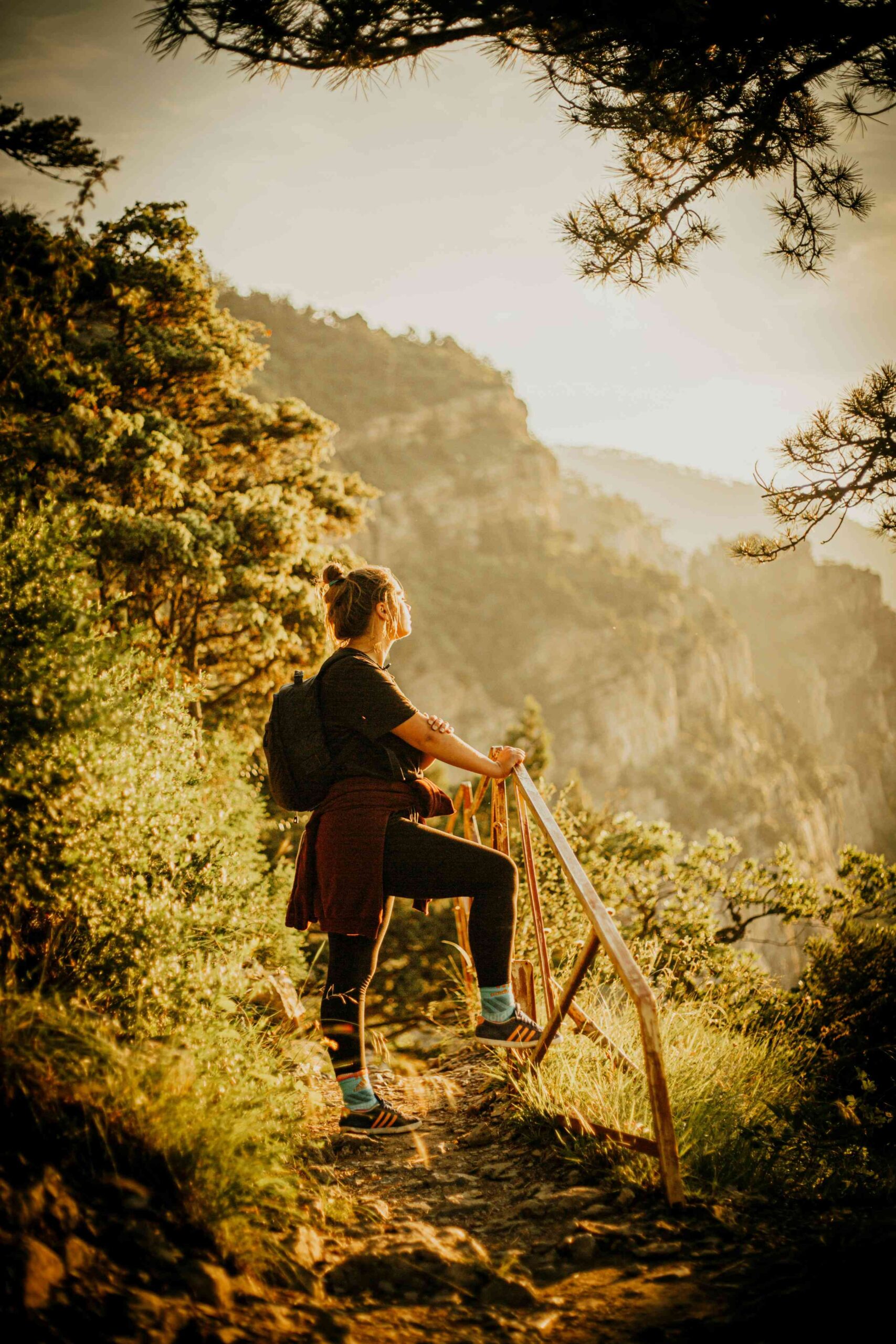
Walking in nature for mental health is one of the simplest and most powerful habits you can build. You do not need special equipment, a gym membership, or long hours. You only need a safe outdoor space and a willingness to slow down. In a world full of screens, noise, and stress, walking in nature for mental health helps your mind reset and your body relax.
Mental health challenges are rising worldwide. According to the World Health Organization (WHO), nearly 1 in 8 people globally live with a mental health condition (WHO, 2022). Anxiety, depression, and burnout affect people of all ages. The good news is that small daily habits, like walking in nature for mental health, can make a meaningful difference.
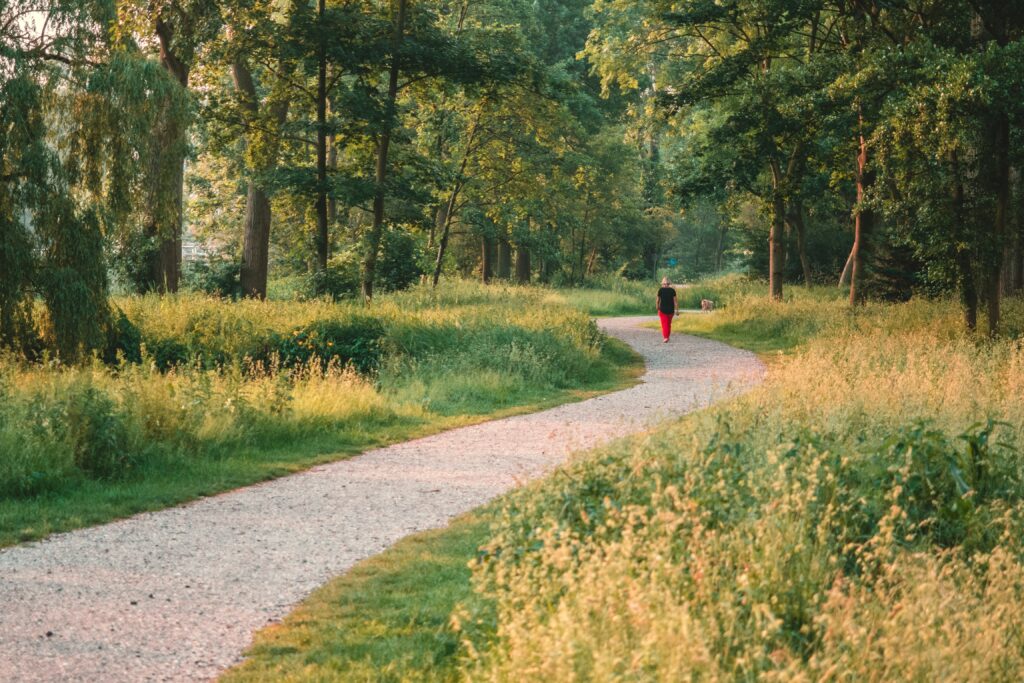
In this article, you will learn how walking in nature for mental health works, what science says about it, and how you can easily make it part of your daily life.
Why Walking in Nature for Mental Health Matters
Walking in nature for mental health supports both your brain and your emotions. Natural environments reduce mental overload and help your nervous system calm down. Unlike walking on a busy street, walking in green spaces allows your mind to rest.
Nature Reduces Stress Hormones
Stress triggers the release of cortisol, a hormone linked to anxiety and depression. Walking in nature for mental health helps lower cortisol levels. A study published in Frontiers in Psychology found that spending just 20 minutes in nature significantly reduced stress hormone levels (Hunter et al., 2019).
When cortisol drops, you feel calmer, more focused, and emotionally balanced.
It Gently Restores Attention
Modern life demands constant attention. Phones, emails, and social media drain your mental energy. Walking in nature for mental health supports what researchers call attention restoration. Natural settings engage your mind softly, without pressure.
According to Attention Restoration Theory, nature allows the brain to recover from mental fatigue, improving focus and clarity (Kaplan & Kaplan, 1989).
The Science Behind Walking in Nature for Mental Health
Walking in nature for mental health is not just a feeling—it is backed by science. Researchers have studied how green spaces affect the brain, mood, and overall mental well-being.
Improved Mood and Lower Depression Risk
A large study from Environmental Health and Preventive Medicine found that people who walked in forests showed lower anxiety, depression, and fatigue compared to those who walked in urban settings (Park et al., 2010).
Walking in nature for mental health stimulates the release of serotonin and dopamine. These brain chemicals support positive mood and emotional stability.
Reduced Anxiety and Overthinking
Anxiety often feeds on constant thinking and worry. Walking in nature for mental health helps break that cycle. A Stanford University study showed that participants who walked in nature experienced less rumination, which is repetitive negative thinking linked to depression (Bratman et al., 2015).
Less rumination means fewer anxious thoughts and a quieter mind.
Better Sleep Quality
Sleep and mental health are deeply connected. Walking in nature for mental health supports healthier sleep by regulating your circadian rhythm. Exposure to natural light during the day helps your body recognize when it is time to rest.
According to the National Sleep Foundation, people who get daily exposure to natural light sleep better and report improved mood (NSF, 2020).
How Walking in Nature for Mental Health Supports the Nervous System
Walking in nature for mental health activates the parasympathetic nervous system. This is the part of your nervous system responsible for rest and recovery.
Slows the Heart Rate
Natural sounds like birds, wind, and water slow your heart rate. As your heart rate slows, your body exits fight-or-flight mode. This helps reduce panic, irritability, and emotional tension.
Encourages Mindfulness Without Effort
Many people struggle with meditation. Walking in nature for mental health offers a gentle form of mindfulness. You naturally notice colors, smells, and textures. This awareness keeps you present without forcing silence or control.
Walking in Nature for Mental Health and Long-Term Well-Being
Walking in nature for mental health does not only help in the moment. It also supports long-term emotional resilience.
Lower Risk of Mental Health Disorders
A study published in Proceedings of the National Academy of Sciences found that people who grew up near green spaces had a lower risk of developing psychiatric disorders later in life (Engemann et al., 2019).
This shows how powerful consistent exposure to nature can be for mental health across a lifetime.
Builds Emotional Resilience
Walking in nature for mental health teaches your body how to calm itself. Over time, this builds emotional strength. You become better at handling stress, change, and uncertainty.
How to Practice Walking in Nature for Mental Health Daily
You do not need a forest or national park. Walking in nature for mental health works in small, simple ways.
Start Small and Stay Consistent
- Walk for 10–20 minutes
- Choose parks, riversides, or tree-lined streets
- Leave your phone in your pocket when possible
Consistency matters more than duration. A short daily walk supports mental health better than an occasional long walk.
Walk With Intention
While walking in nature for mental health, focus on your senses:
- Notice the color of leaves
- Listen to birds or wind
- Feel the ground beneath your feet
This sensory focus keeps your mind grounded and calm.
Walk Alone or With Support
Both options work well. Walking alone supports reflection and emotional release. Walking with a trusted person supports connection and reduces loneliness, which strongly affects mental health.
Walking in Nature for Mental Health in Different Seasons
Walking in nature for mental health works all year round. Each season offers unique benefits.
Spring and Summer
- Boosts mood with sunlight
- Supports vitamin D production
- Encourages longer walks
Fall and Winter
- Calms the nervous system
- Reduces seasonal stress
- Encourages slower, mindful movement
Even short winter walks provide mental health benefits when done safely.
Common Barriers and How to Overcome Them
Many people want to try walking in nature for mental health but feel blocked.
“I Don’t Have Time”
Even 10 minutes helps. Walking in nature for mental health fits into lunch breaks, mornings, or evenings.
“I Live in a City”
Urban parks, trees, and green paths still count. Research shows that any exposure to green space improves mental well-being (WHO, 2021).
“I Feel Too Tired”
Mental fatigue often improves after walking in nature for mental health. Movement increases energy instead of draining it.
Final Thoughts: A Gentle Path to Better Mental Health
Walking in nature for mental health is simple, affordable, and effective. It lowers stress, improves mood, reduces anxiety, and supports long-term emotional well-being. You do not need to change your entire life. You only need to step outside and walk with awareness.
In a fast-moving world, walking in nature for mental health brings you back to balance—one step at a time.

Kevin Fletcher is a seasoned writer with over 10 years of experience crafting engaging and informative content in the health, fitness, and wellness industries. Passionate about helping readers live healthier lives, Kevin combines research-backed insights with practical tips to inspire positive change.