
Now Reading: Physical Exercise and Anxiety: How Moving Your Body Can Calm Your Mind
-
01
Physical Exercise and Anxiety: How Moving Your Body Can Calm Your Mind
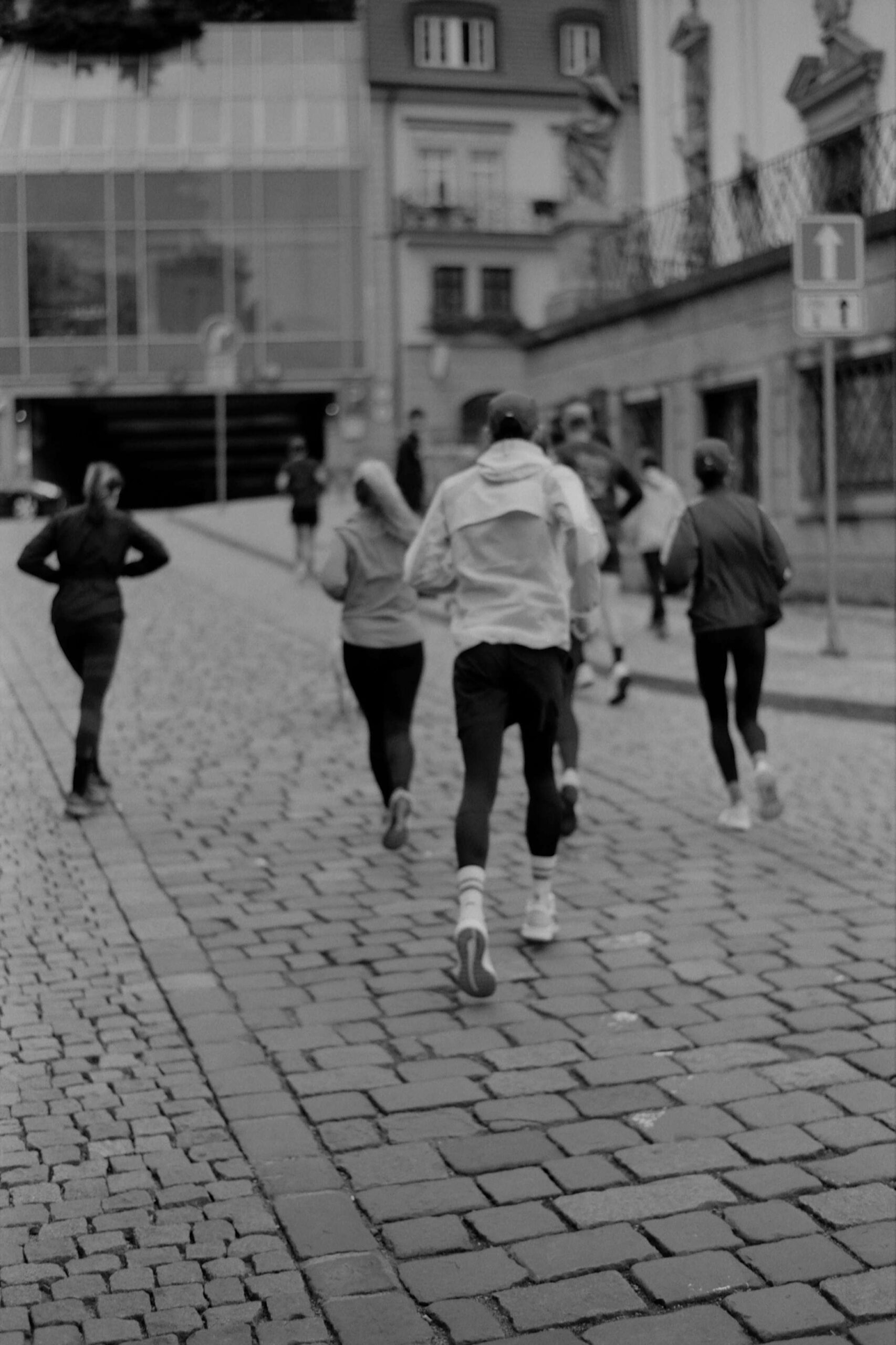
Physical exercise and anxiety are closely connected. For many people, anxiety feels like a constant buzz in the mind—racing thoughts, tight muscles, and restless energy. While therapy and medication play an important role, research shows that physical exercise and anxiety management often go hand in hand. Regular movement can reduce symptoms, improve mood, and help people feel more in control of their mental health.
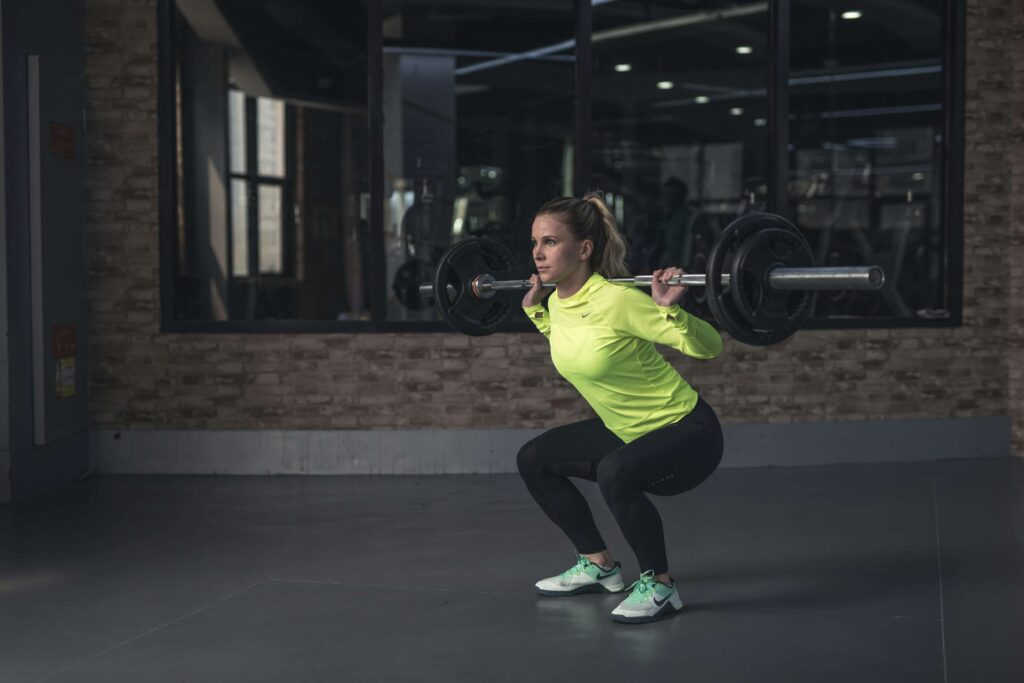
In this article, we’ll explore how physical exercise and anxiety are linked, what science says, and how you can use simple, realistic workouts to feel calmer and stronger every day.
Understanding Anxiety in Everyday Life
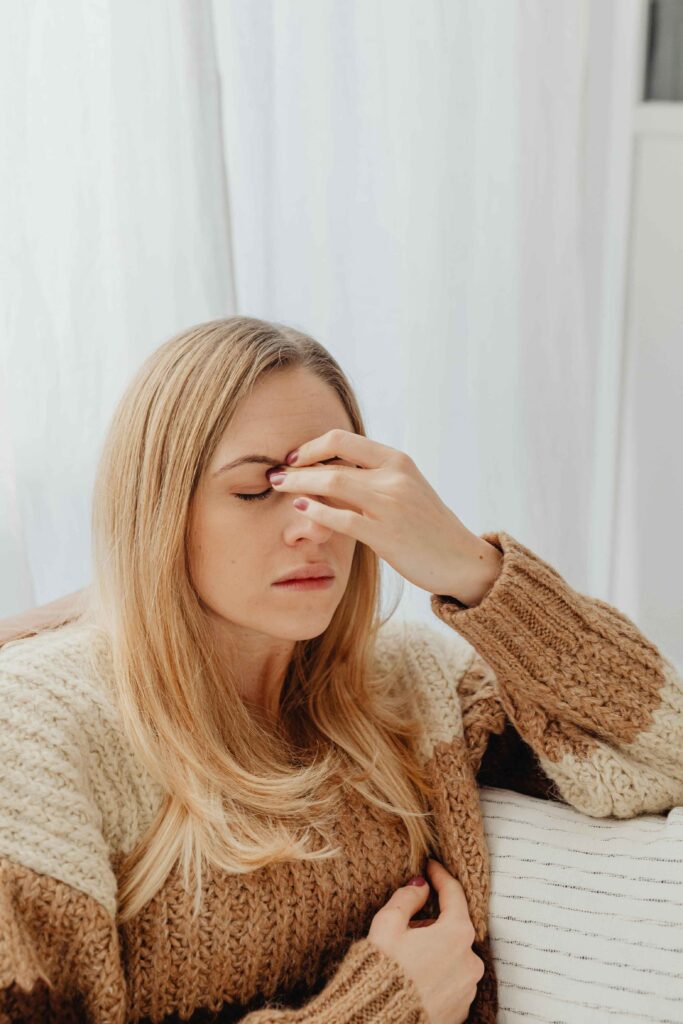
Anxiety is one of the most common mental health conditions worldwide. According to the World Health Organization (WHO), over 301 million people globally live with an anxiety disorder (WHO, 2023). Anxiety can affect sleep, focus, relationships, and physical health.
Common symptoms include:
- Constant worry or fear
- Rapid heartbeat
- Muscle tension
- Trouble sleeping
- Difficulty concentrating
The good news is that physical exercise and anxiety symptoms respond well to lifestyle changes, especially consistent movement.
How Physical Exercise and Anxiety Are Connected
Physical exercise and anxiety share a powerful biological and psychological link. When you exercise, your body releases chemicals that support emotional balance and mental clarity.
Exercise Changes Brain Chemistry
When you move your body, your brain releases:
- Endorphins, which reduce pain and boost mood
- Serotonin and dopamine, which help regulate anxiety and stress
A study published in Depression and Anxiety found that people who exercised regularly had 43% fewer days of poor mental health compared to those who did not (Chekroud et al., 2018).
This shows how strongly physical exercise and anxiety relief are connected at a chemical level.
Exercise Reduces Stress Hormones
Anxiety often keeps stress hormones like cortisol elevated. Regular physical exercise lowers cortisol over time. This helps your nervous system return to a calmer, more balanced state.
Benefits of Physical Exercise for Anxiety
Let’s break down how physical exercise and anxiety improvement show up in daily life.
1. Physical Exercise Helps Calm Racing Thoughts
When anxiety takes over, the mind jumps to worst-case scenarios. Physical exercise pulls attention back into the body. Breathing deepens, muscles engage, and the mind slows down.
Even a 10-minute walk can interrupt anxious thought loops and bring immediate relief.
2. Exercise Improves Sleep Quality
Poor sleep and anxiety feed each other. According to the Anxiety and Depression Association of America (ADAA), regular exercise improves sleep quality and reduces insomnia symptoms linked to anxiety.
Better sleep means:
- Less irritability
- Improved emotional control
- Reduced anxiety sensitivity
This is another clear example of how physical exercise and anxiety recovery work together.
3. Exercise Builds Confidence and Control
Anxiety often makes people feel powerless. Completing a workout—even a short one—creates a sense of achievement. Over time, this builds self-trust and resilience.
Physical exercise reminds you: “I can take action to help myself.”
Best Types of Physical Exercise for Anxiety
Not all exercise needs to be intense. The best workout is one you can do consistently.
Aerobic Exercise and Anxiety Relief
Aerobic activities are especially effective for anxiety.
Examples include:
- Walking
- Jogging
- Cycling
- Swimming
Research published in Frontiers in Psychiatry shows that moderate aerobic exercise reduces anxiety symptoms by up to 20–30% when practiced consistently (Stubbs et al., 2017).
Aim for 30 minutes, 3–5 times per week for best results.
Strength Training and Anxiety
Strength training improves mental health by increasing focus and reducing muscle tension.
Benefits include:
- Better body awareness
- Increased confidence
- Reduced physical symptoms of anxiety
Even light resistance training supports the link between physical exercise and anxiety reduction.
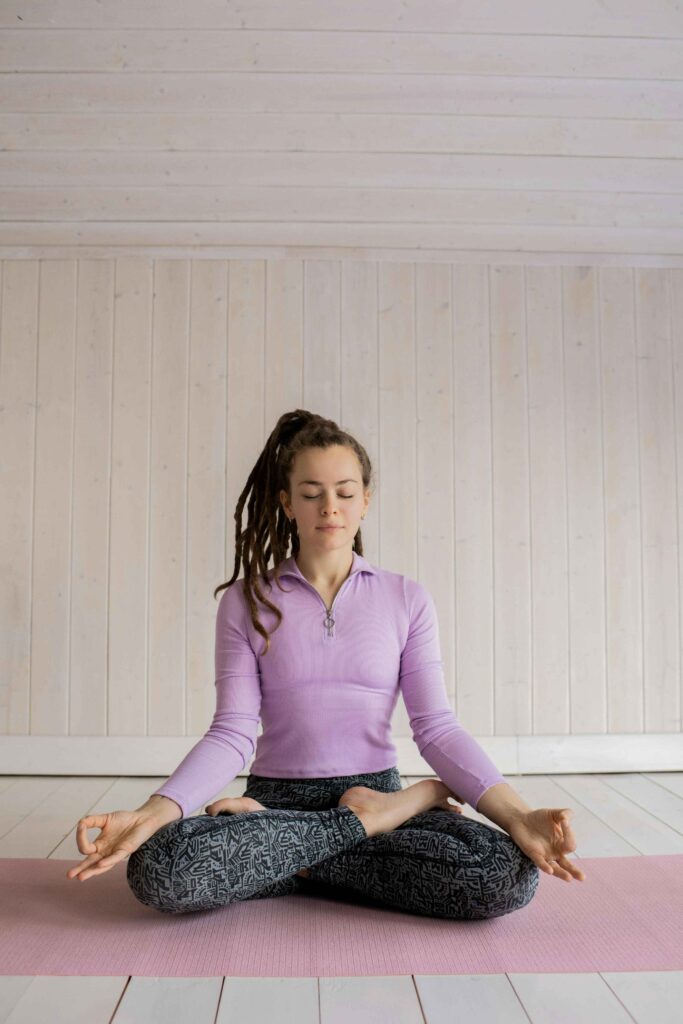
Yoga and Mindful Movement
Yoga combines movement with breath awareness. This directly calms the nervous system.
A 2020 meta-analysis published in Journal of Psychiatric Practice found that yoga significantly reduced anxiety symptoms, especially when practiced regularly.
Yoga is a powerful option for people who feel overwhelmed by high-intensity workouts.
How Much Exercise Do You Need for Anxiety?
You don’t need extreme routines. Consistency matters more than intensity.
Recommended Guidelines
According to the Centers for Disease Control and Prevention (CDC):
- 150 minutes of moderate exercise per week supports both physical and mental health
That’s just 30 minutes, five days a week.
Even shorter sessions help. Studies show that 10–15 minutes of movement can reduce anxiety in the moment.
This makes physical exercise and anxiety management realistic for busy lives.
Getting Started When Anxiety Feels Overwhelming
Anxiety can make starting exercise feel impossible. That’s normal.
Start Small and Stay Kind to Yourself
If anxiety is high:
- Start with stretching
- Walk around the block
- Do 5 minutes of gentle movement
Small steps still strengthen the connection between physical exercise and anxiety relief.
Focus on Enjoyment, Not Perfection
Choose activities you enjoy. Dancing, gardening, or playing with your kids all count as exercise.
When movement feels good, you’re more likely to stick with it.
Physical Exercise and Anxiety as Part of a Bigger Plan
While physical exercise and anxiety improvement go hand in hand, exercise works best alongside other supports.
These may include:
- Therapy or counseling
- Mindfulness practices
- Medication (when needed)
- Social support
Exercise is not a cure-all, but it is a powerful, evidence-based tool that supports long-term mental health.
Final Thoughts: Moving Toward Calm and Balance
The connection between physical exercise and anxiety is clear, strong, and backed by science. Regular movement helps calm the mind, regulate emotions, and build resilience against stress.
You don’t need perfect workouts or intense routines. You just need to move—consistently and with intention.
If anxiety has been holding you back, consider this your reminder:
Your body is one of your greatest tools for healing.
Start where you are. Move a little. And let physical exercise support your journey toward a calmer, more balanced life.
Kevin Fletcher is a seasoned writer with over 10 years of experience crafting engaging and informative content in the health, fitness, and wellness industries. Passionate about helping readers live healthier lives, Kevin combines research-backed insights with practical tips to inspire positive change.