
Now Reading: Breathing Exercises in Yoga for Anxiety
-
01
Breathing Exercises in Yoga for Anxiety
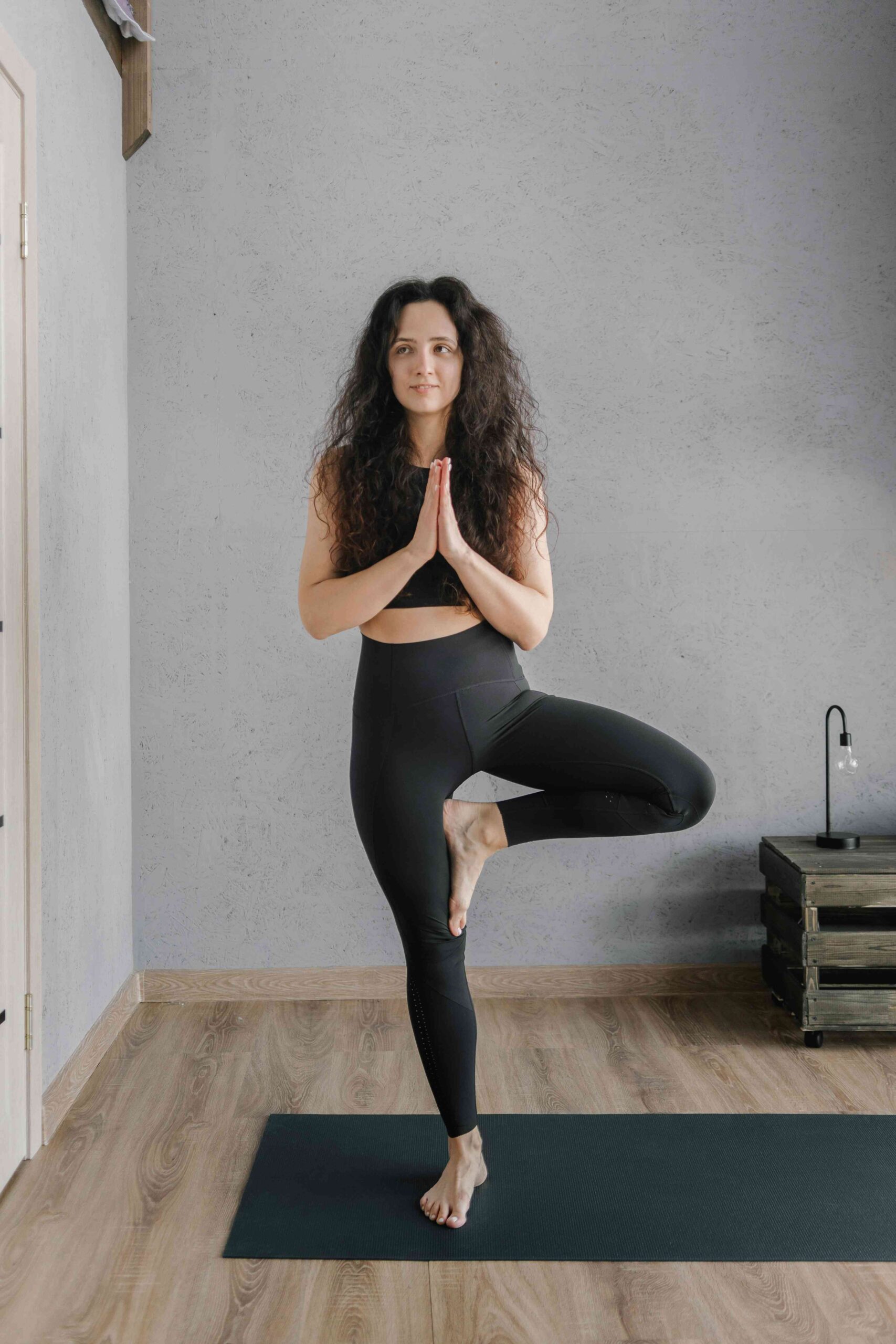
Anxiety affects millions of people worldwide. It can show up as racing thoughts, tight muscles, shallow breathing, and constant worry. While therapy and medication play an important role, many people also turn to yoga for natural anxiety relief. One of the most powerful tools yoga offers is breathwork.
Breathing exercises in yoga for anxiety help calm the nervous system, slow the heart rate, and bring the mind back to the present moment. These techniques are simple, effective, and accessible to almost everyone.
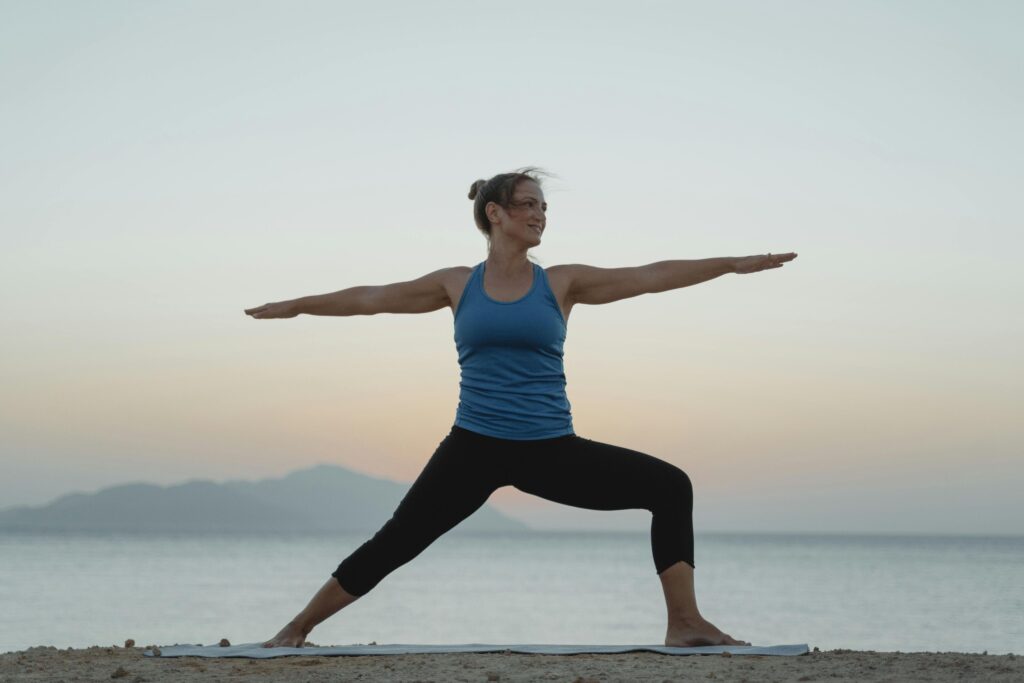
In this article, you will learn how breathing exercises in yoga for anxiety work, the science behind them, and the most effective techniques you can practice daily.
Understanding Anxiety and the Breath
Anxiety often puts the body in “fight or flight” mode. This response increases heart rate, speeds up breathing, and raises stress hormones.
According to the World Health Organization (WHO), anxiety disorders affect over 301 million people globally, making them the most common mental health conditions worldwide (WHO, 2023).
When anxiety takes over, breathing becomes shallow and rapid. This type of breathing sends danger signals to the brain, keeping anxiety alive.
Breathing exercises in yoga for anxiety reverse this cycle by slowing the breath and activating the parasympathetic nervous system, also known as the “rest and digest” response.
How Breathing Exercises in Yoga for Anxiety Work
Breathing exercises in yoga for anxiety focus on conscious, controlled breathing. These practices are called pranayama in yoga.
Pranayama directly influences the vagus nerve, which plays a key role in emotional regulation.
Research published in Frontiers in Psychology found that slow breathing practices can significantly reduce anxiety and improve emotional control (Frontiers in Psychology, 2018).
Here’s what breathing exercises in yoga for anxiety do:
- Lower cortisol (stress hormone) levels
- Slow heart rate
- Improve oxygen flow to the brain
- Increase mindfulness and body awareness
Over time, regular practice trains your body to respond calmly to stress.
Benefits of Breathing Exercises in Yoga for Anxiety
Practicing breathing exercises in yoga for anxiety offers both immediate and long-term benefits.
Physical Benefits
- Reduced muscle tension
- Lower blood pressure
- Improved sleep quality
- Better digestion
Mental and Emotional Benefits
- Reduced anxiety symptoms
- Improved focus and clarity
- Greater emotional balance
- Increased sense of calm
A study by Harvard Medical School reports that mindful breathing practices can reduce anxiety symptoms by up to 40% when practiced consistently (Harvard Health Publishing, 2020).
Best Breathing Exercises in Yoga for Anxiety
Below are the most effective breathing exercises in yoga for anxiety. These techniques are beginner-friendly and can be practiced anywhere.
1. Diaphragmatic Breathing (Belly Breathing)
Diaphragmatic breathing is the foundation of all breathing exercises in yoga for anxiety.
How to Practice
- Sit or lie down comfortably
- Place one hand on your chest and one on your belly
- Inhale deeply through your nose, letting your belly rise
- Exhale slowly through your nose, letting your belly fall
- Continue for 5–10 minutes
Why It Helps
This breathing pattern signals safety to the brain and reduces stress quickly. It is often the first technique taught in anxiety treatment programs.
2. Nadi Shodhana (Alternate Nostril Breathing)
Nadi Shodhana balances the nervous system and calms racing thoughts.
How to Practice
- Sit upright with a relaxed spine
- Close your right nostril with your thumb
- Inhale through your left nostril
- Close the left nostril and exhale through the right
- Inhale through the right nostril
- Switch sides and repeat
- Continue for 5 minutes
Why It Helps
Studies show that alternate nostril breathing reduces heart rate and anxiety levels within minutes (International Journal of Yoga, 2013).
3. Box Breathing (Square Breathing)
Box breathing is a structured breathing exercise used by therapists and even military professionals.
How to Practice
- Inhale through your nose for 4 seconds
- Hold your breath for 4 seconds
- Exhale slowly for 4 seconds
- Hold again for 4 seconds
- Repeat for 4–6 rounds
Why It Helps
This breathing exercise in yoga for anxiety creates rhythm and control, which helps ground anxious thoughts.
4. Bhramari Pranayama (Bee Breath)
Bhramari involves a gentle humming sound that calms the mind.
How to Practice
- Sit comfortably and close your eyes
- Inhale deeply through your nose
- Exhale slowly while making a soft humming sound
- Feel the vibration in your head and chest
- Repeat 5–7 times
Why It Helps
Research published in The Journal of Ayurveda and Integrative Medicine found that Bhramari pranayama significantly reduces anxiety and anger levels (2017).
5. 4-7-8 Breathing
This technique is popular for anxiety and sleep support.
How to Practice
- Inhale quietly through your nose for 4 seconds
- Hold your breath for 7 seconds
- Exhale slowly through your mouth for 8 seconds
- Repeat 4 times
Why It Helps
This breathing pattern slows the nervous system and prepares the body for relaxation and sleep.
How Often Should You Practice Breathing Exercises in Yoga for Anxiety?
Consistency matters more than duration.
For best results:
- Practice daily
- Start with 5–10 minutes
- Increase gradually as you feel comfortable
According to the American Psychological Association, daily breathing practices show better anxiety reduction than occasional longer sessions (APA, 2021).
You can practice breathing exercises in yoga for anxiety:
- In the morning to start your day calmly
- Before bed to improve sleep
- During anxiety spikes for immediate relief
Tips to Make Your Practice More Effective
To get the most out of breathing exercises in yoga for anxiety, keep these tips in mind:
- Practice on an empty stomach
- Sit in a quiet, comfortable space
- Keep your spine straight
- Breathe through your nose whenever possible
- Avoid forcing the breath
If dizziness occurs, return to normal breathing and rest.
Can Breathing Exercises in Yoga for Anxiety Replace Therapy?
Breathing exercises in yoga for anxiety are powerful, but they are not a replacement for professional mental health care.
They work best when combined with:
- Therapy
- Lifestyle changes
- Mindfulness practices
- Medical treatment when needed
The National Institute of Mental Health (NIMH) emphasizes that integrative approaches improve long-term anxiety outcomes (NIMH, 2022).
Final Thoughts
Breathing exercises in yoga for anxiety offer a natural, effective way to calm the mind and body. They are simple, free, and backed by science. With regular practice, these techniques can help you feel more grounded, centered, and in control.
If anxiety feels overwhelming, start with just a few minutes a day. Over time, your breath can become one of your strongest tools for healing.
Remember, your breath is always with you—and it can guide you back to calm whenever anxiety shows up.
Kevin Fletcher is a seasoned writer with over 10 years of experience crafting engaging and informative content in the health, fitness, and wellness industries. Passionate about helping readers live healthier lives, Kevin combines research-backed insights with practical tips to inspire positive change.